The Foundation of Modern Branding
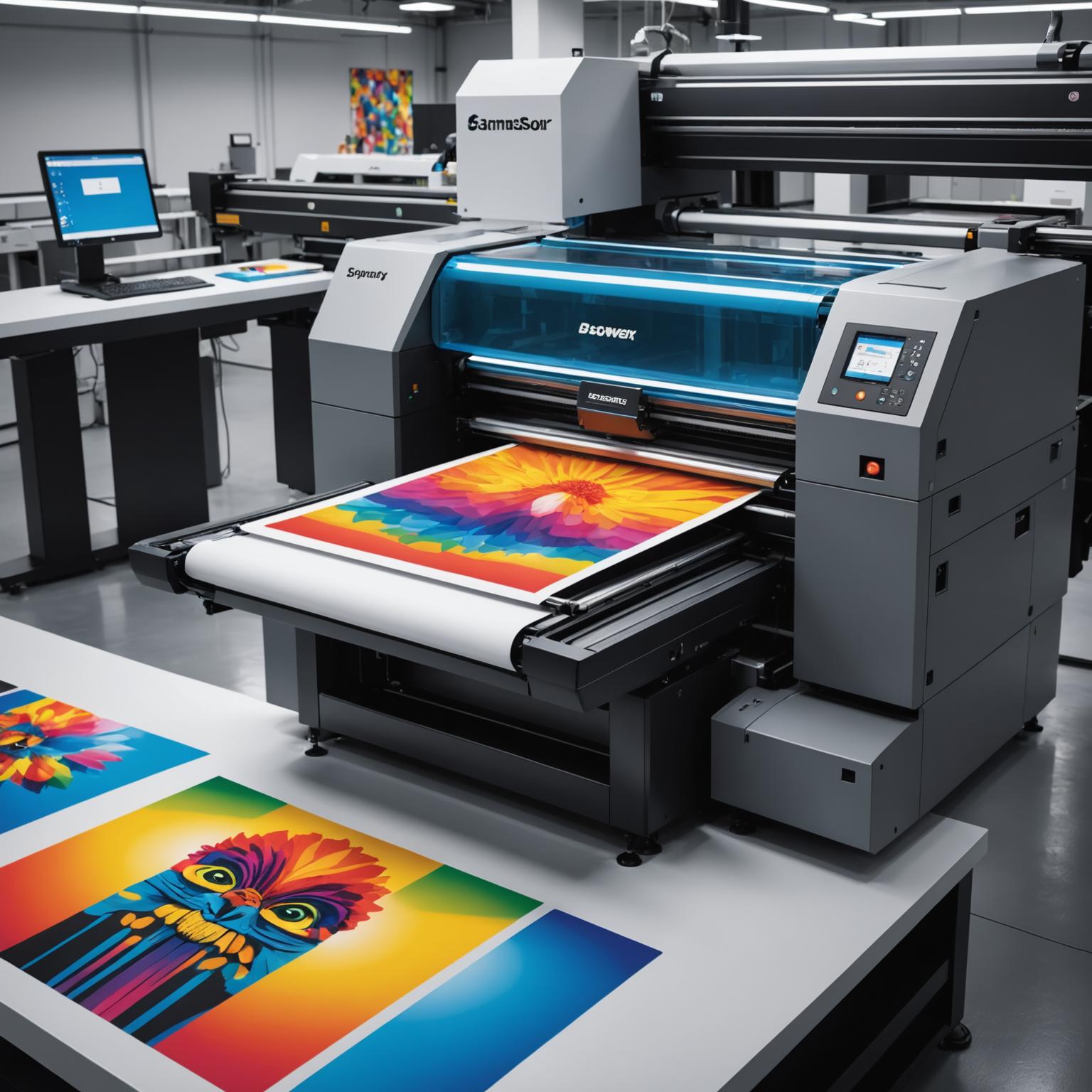
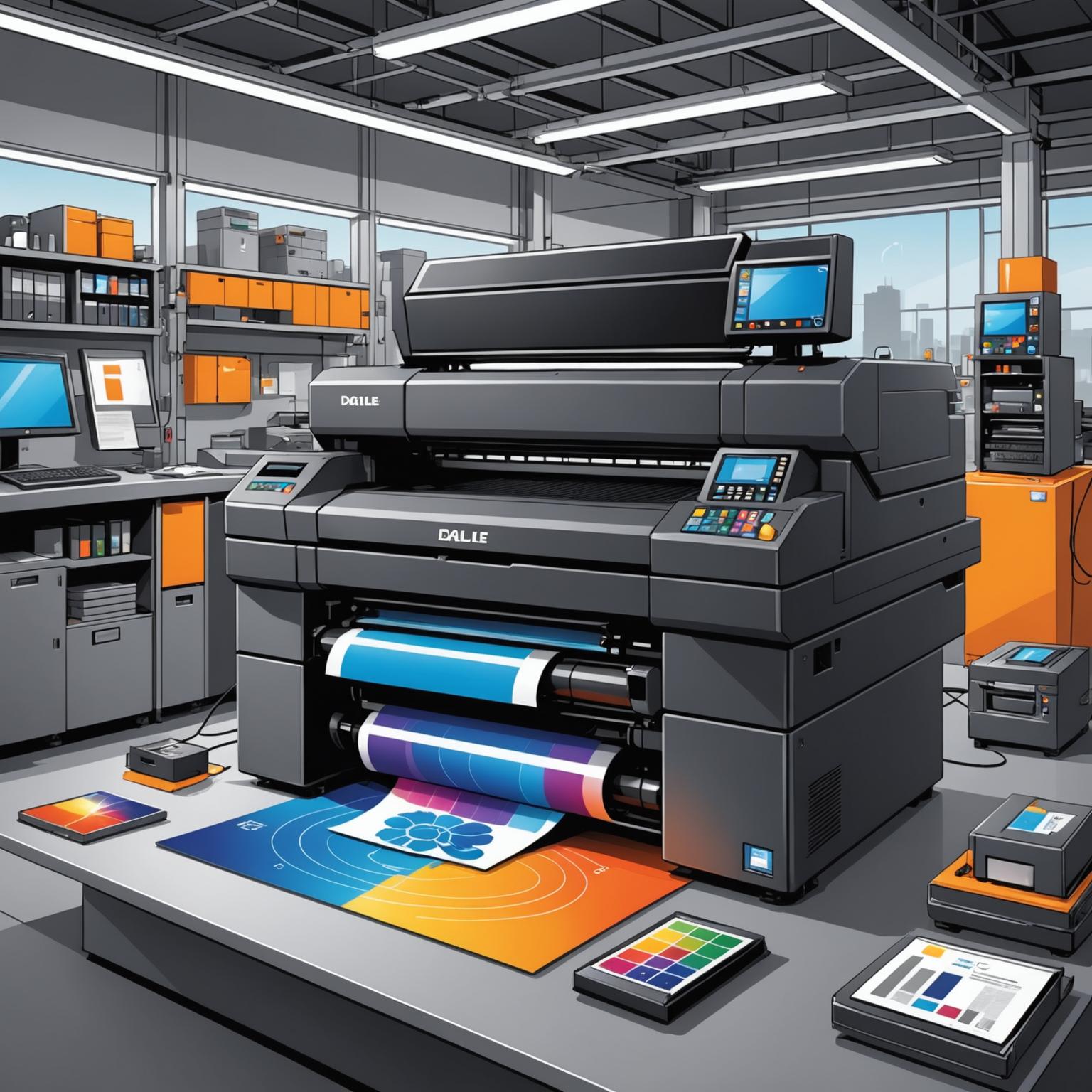
In today's competitive market, product presentation is just as crucial as the product itself. The humble label plays a significant role in this, and at its core is the incredibly versatile self-adhesive paper. This material has revolutionized the packaging industry, providing an efficient, cost-effective, and aesthetically pleasing solution for branding everything from food products to industrial goods. It consists of three key layers: the face stock (the material that is printed on), an adhesive layer, and a release liner that protects the adhesive until application. The ease with which these labels can be applied, either by hand or by high-speed machinery, makes them a go-to choice for businesses of all sizes seeking to make a lasting impression.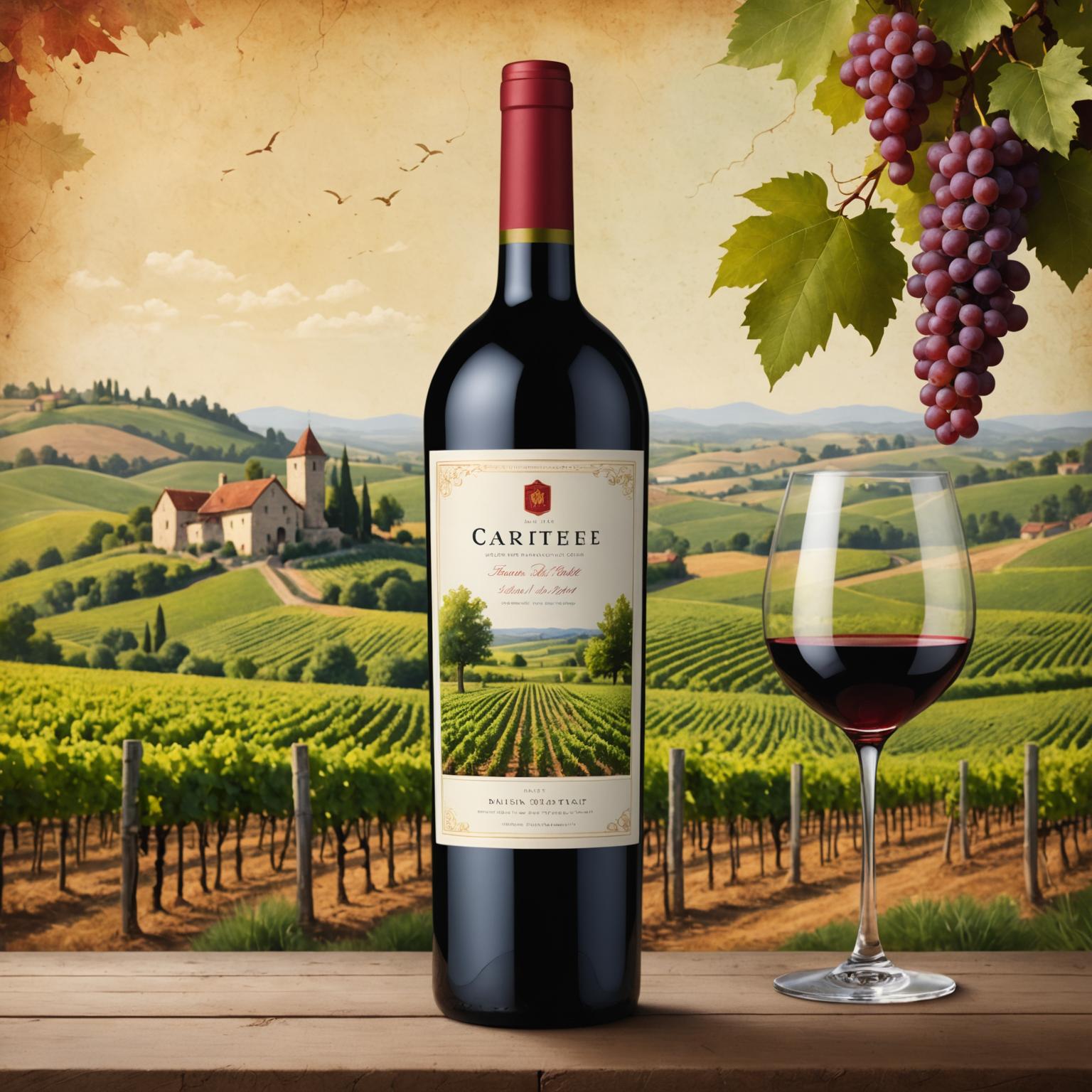
Versatility Across Industries
The applications for self-adhesive paper are nearly limitless, extending far beyond simple address labels. This material can be engineered to withstand extreme conditions, including moisture, heat, cold, and exposure to chemicals. You can find it on pharmaceutical packaging requiring stern warnings, on outdoor equipment needing weather-resistant identification, and on food containers that go from freezer to microwave. The choice of face stock, from matte paper to durable synthetic films, combined with specialized adhesives, allows for custom solutions tailored to any product's lifecycle. This adaptability is the primary reason why self-adhesive technology has become the industry standard for labeling and product decoration, offering unparalleled performance and design freedom.
Crafting the Perfect Wine Label
Nowhere is the importance of a label more apparent than in the wine industry. The wine label is more than just information; it is a story, a brand promise, and a critical purchasing trigger for consumers browsing a crowded shelf. A premium wine label must convey quality and heritage while being durable enough to withstand refrigeration and potential spills. This requires a specific type of label material that resists moisture and maintains its integrity. Textured and felt-marked papers are popular choices as they add a tactile, luxurious feel. The right wine label can elevate a bottle from a simple beverage to a sophisticated experience, making it a crucial marketing tool for vineyards aiming to capture the right audience and communicate the unique character of their product.
The Visual Impact of Glossy Paper
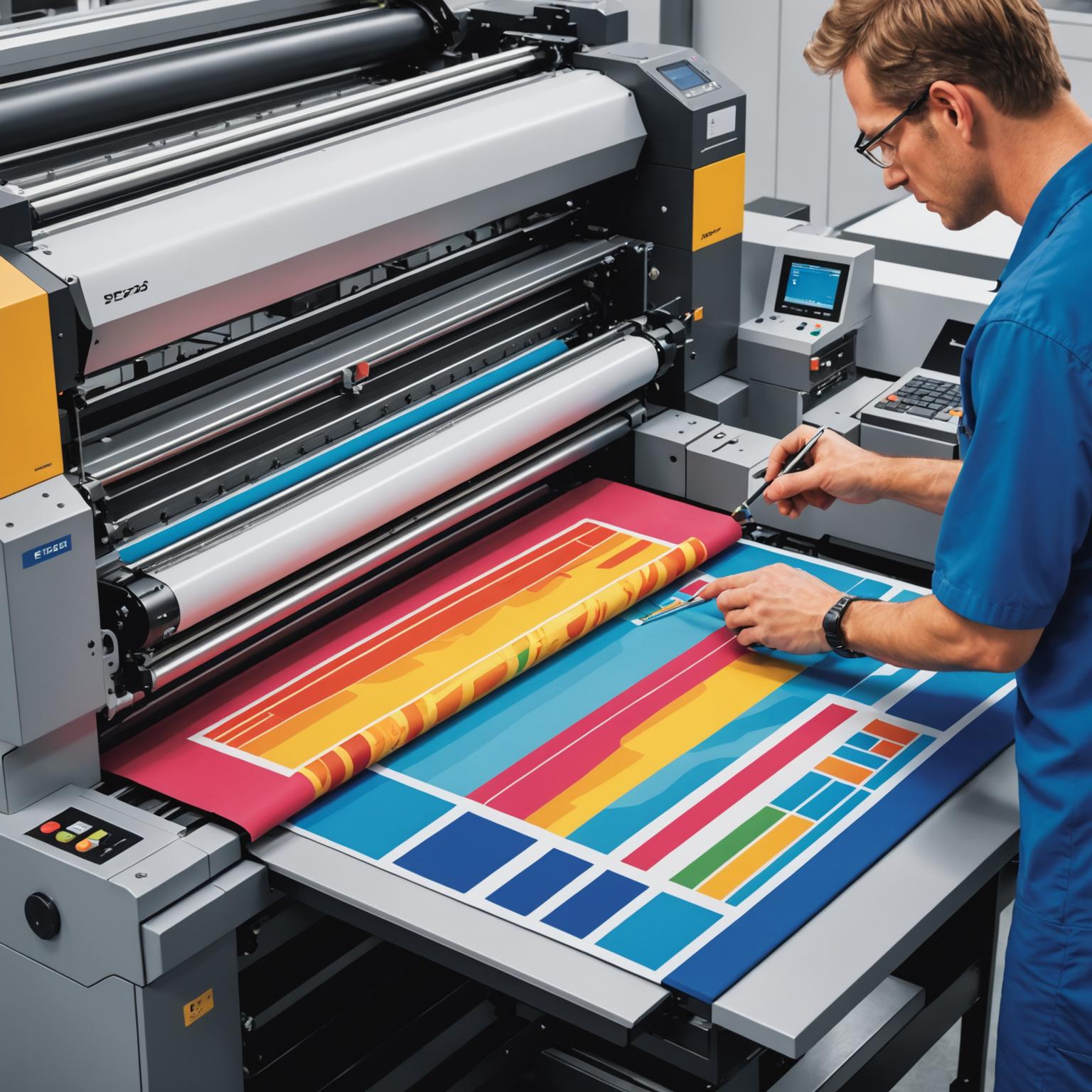
When the goal is to create a vibrant, high-impact design, few materials perform as well as glossy paper. This type of face stock is coated to produce a smooth, shiny surface that reflects light and makes colors appear more saturated and vivid. The finish on glossy paper provides a premium, professional look that is ideal for products wanting to stand out. It offers an excellent printing surface, allowing for sharp details and rich color reproduction, which is perfect for intricate logos or photorealistic images. While it might be used for a modern and bold wine label, its application is widespread across cosmetics, gourmet foods, and promotional products where a clean, eye-catching appearance is paramount. The slick, reflective quality of glossy paper immediately signals a high-quality product to the consumer.
Making the Right Choice for Your Brand
Ultimately, selecting the appropriate label material is a strategic decision that directly impacts brand perception and product performance. From the functional resilience of specialized materials to the aesthetic appeal of a textured wine label or the vibrant finish of glossy paper, the options are extensive. Understanding the specific needs of your product—including its environment, its story, and its target audience—is key to choosing the perfect self-adhesive paper. This choice ensures that your label not only adheres properly but also effectively communicates your brand's message, helping your product succeed in a competitive marketplace.