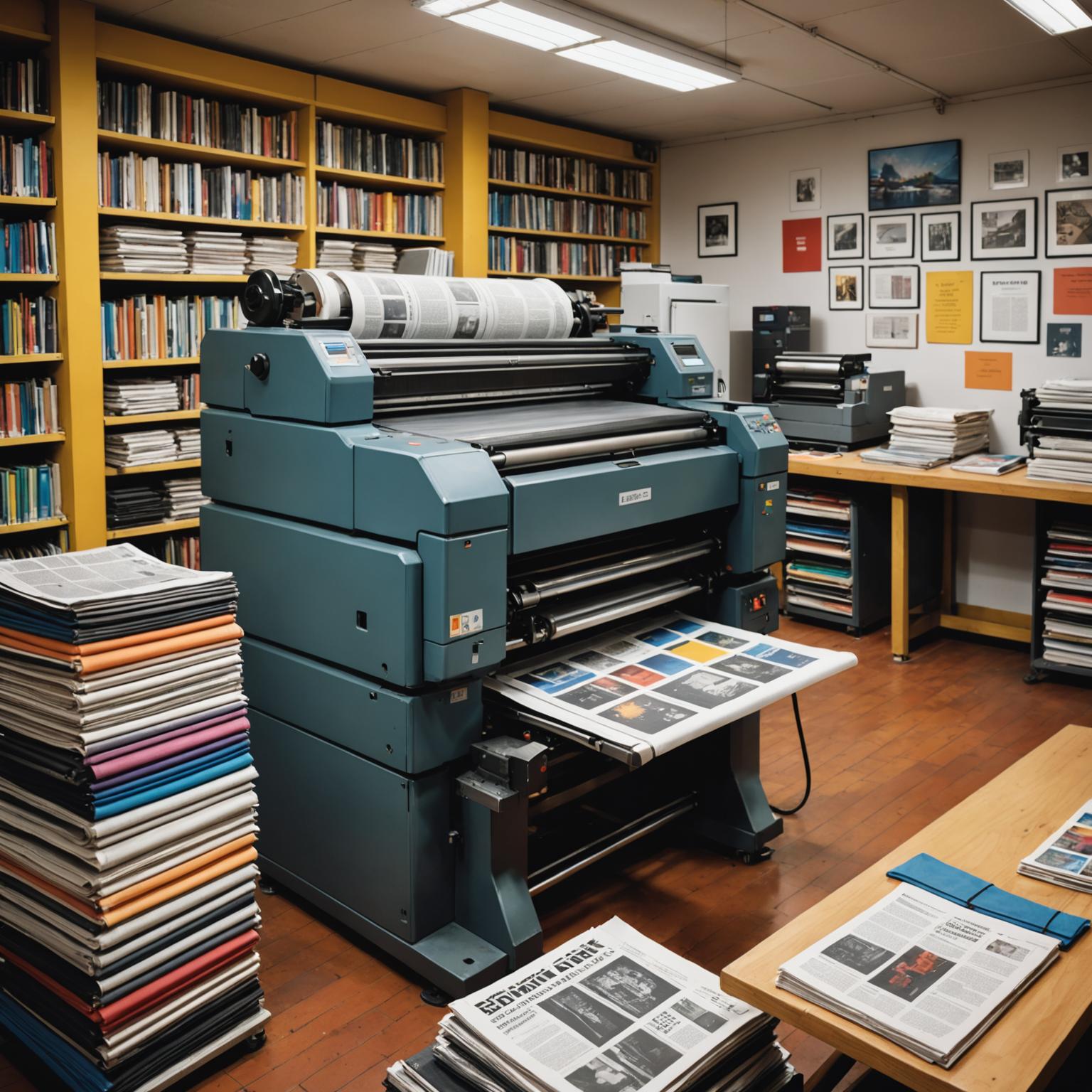
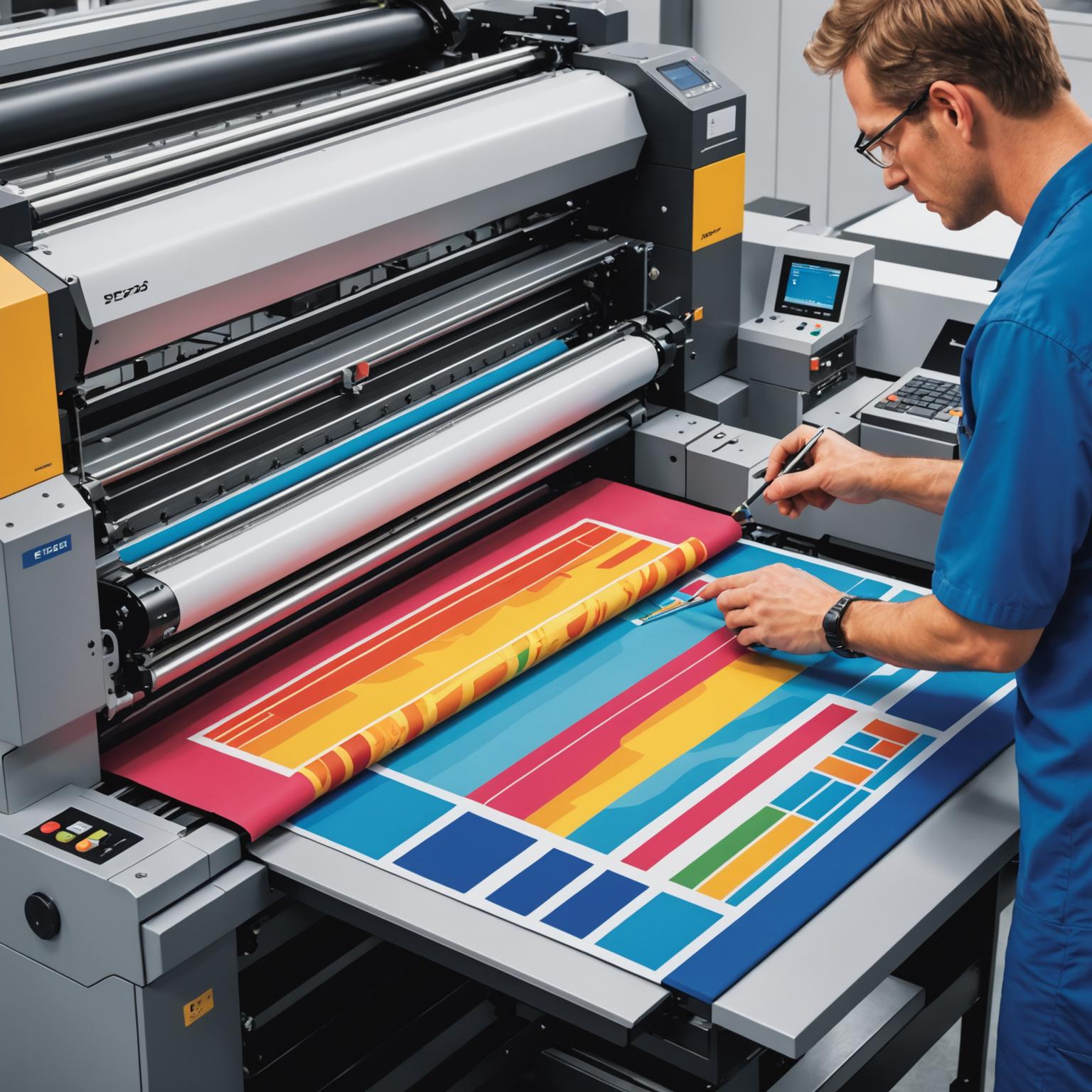
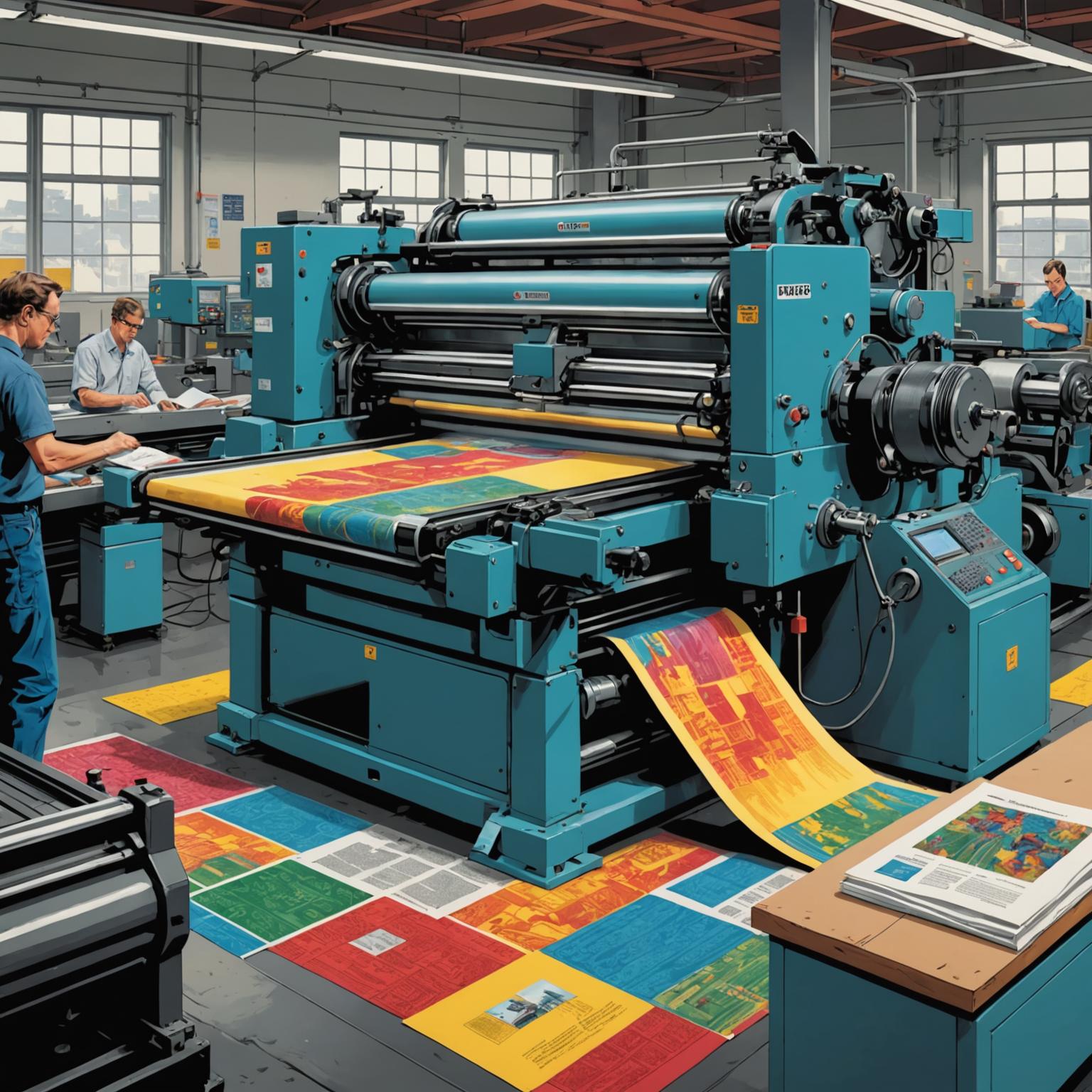
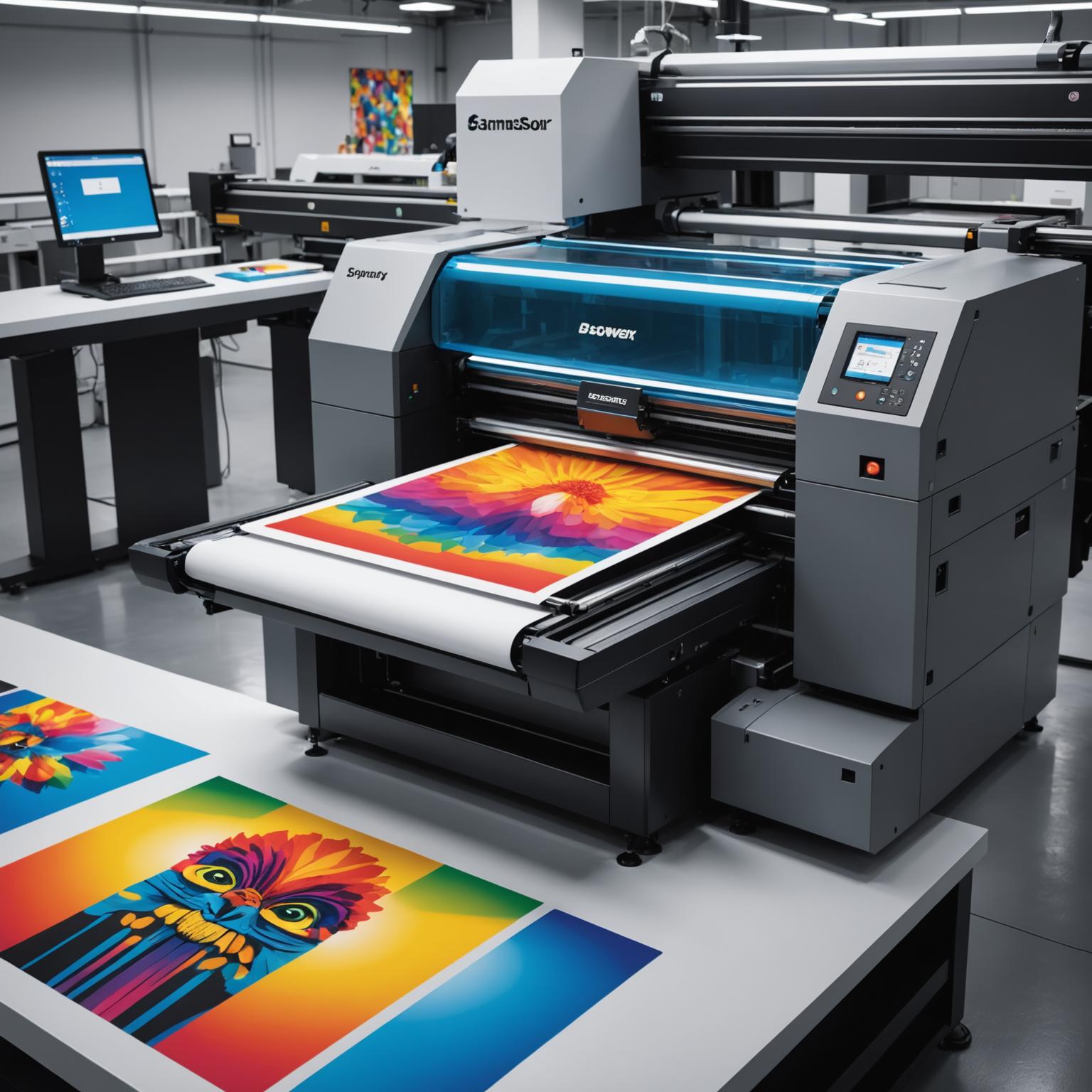
When it comes to printing and packaging, the debate of coated paper vs woodfree paper is a fundamental one that impacts the final look, feel, and function of a product. Choosing the right material is akin to selecting the perfect fabric for a garment; it defines the quality and purpose of the end result. Whether you're creating premium marketing materials or prioritizing eco-conscious functionality, understanding the distinct characteristics of these two paper types is essential for making an informed decision that aligns with your brand's vision.
Understanding Coated Paper: A Touch of Sheen and Brilliance
Coated paper is treated with a surface sealant, typically a clay or polymer compound, to give it a smooth, non-porous finish. This coating can range from a high gloss to a silky matte or satin texture. The primary advantage of this process is how it affects ink. Because the ink sits on top of the coating rather than absorbing into the paper fibers, images appear sharper, crisper, and more vibrant. This makes coated stock the ideal choice for projects where high-impact visuals are paramount, such as art books, glossy magazines, high-end catalogs, and premium product packaging that needs to stand out on the shelf. The smooth surface also adds a level of durability, offering some resistance to dirt, moisture, and wear.
Exploring Woodfree Paper: The Uncoated, Natural Choice
Contrary to what its name might suggest, woodfree paper is not made without trees. Instead, the term 'woodfree' refers to paper produced from chemical pulp where the lignin—a natural glue that binds wood fibers together—has been removed. This process prevents the paper from yellowing over time and results in a high-quality, durable sheet. Woodfree paper is a type of uncoated paper, meaning it lacks the shiny surface layer of its coated counterpart. This gives it a more natural, tactile, and porous texture. It readily absorbs ink, which can result in softer, more subdued colors. Its absorbent nature and textured finish make it incredibly easy to write on, making it a staple for items where writability is key.
Choosing the Right Fit: Coated vs Uncoated Paper Applications
When evaluating coated vs uncoated paper applications, the intended purpose is the most critical factor. Coated paper excels in applications that demand photographic-quality reproduction and brilliant color fidelity. Think of promotional flyers, brochures, fashion lookbooks, and presentation folders. Its sleek finish conveys a sense of luxury and professionalism. In contrast, woodfree paper is the workhorse for everyday essentials. It is the preferred choice for novels, notebooks, business stationery like letterheads and envelopes, and corporate reports. When deciding on woodfree paper vs coated paper applications, consider if the item needs to be written on or if it requires a more organic, prestigious feel. For instance, an elegant wedding invitation might use a high-quality, textured woodfree stock to convey classic sophistication.
The Environmental Perspective: Making a Sustainable Choice
Both paper types can be part of a sustainable business model, a consideration as important as choosing eco-friendly packaging or responsibly sourced materials for clothing. Coated paper is recyclable, although the process can be slightly more complex due to the need to separate the coatings from the paper fibers. Woodfree paper, being uncoated, is often more straightforward to recycle. However, the most significant factor for sustainability is the source of the wood pulp. Consumers and businesses should look for certifications like FSC (Forest Stewardship Council) or PEFC (Programme for the Endorsement of Forest Certification) on both coated and woodfree paper products. These labels ensure the paper comes from responsibly managed forests, promoting environmental and social well-being. Ultimately, a conscious choice in paper reflects a brand's commitment to quality and sustainability, from the core product to its packaging.