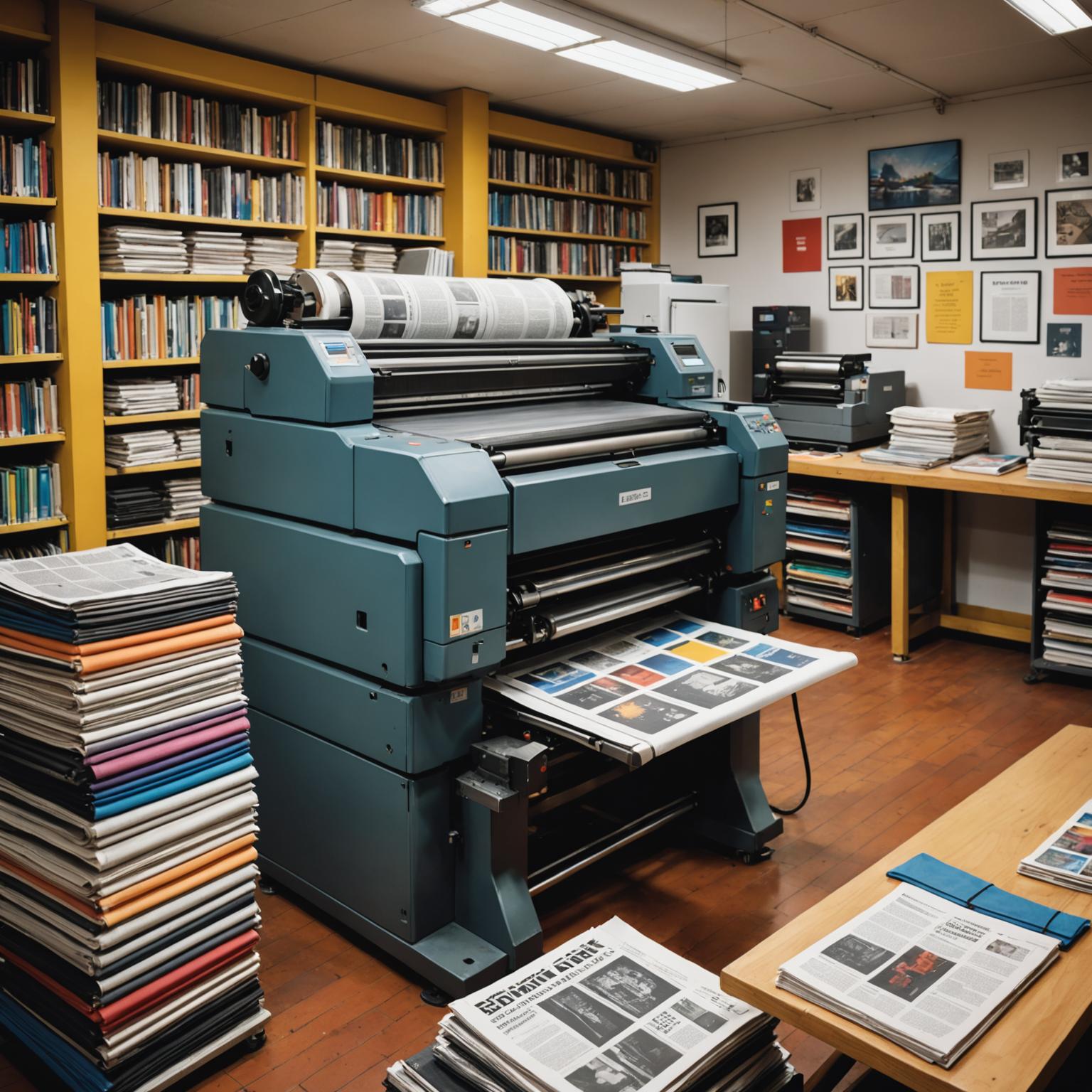
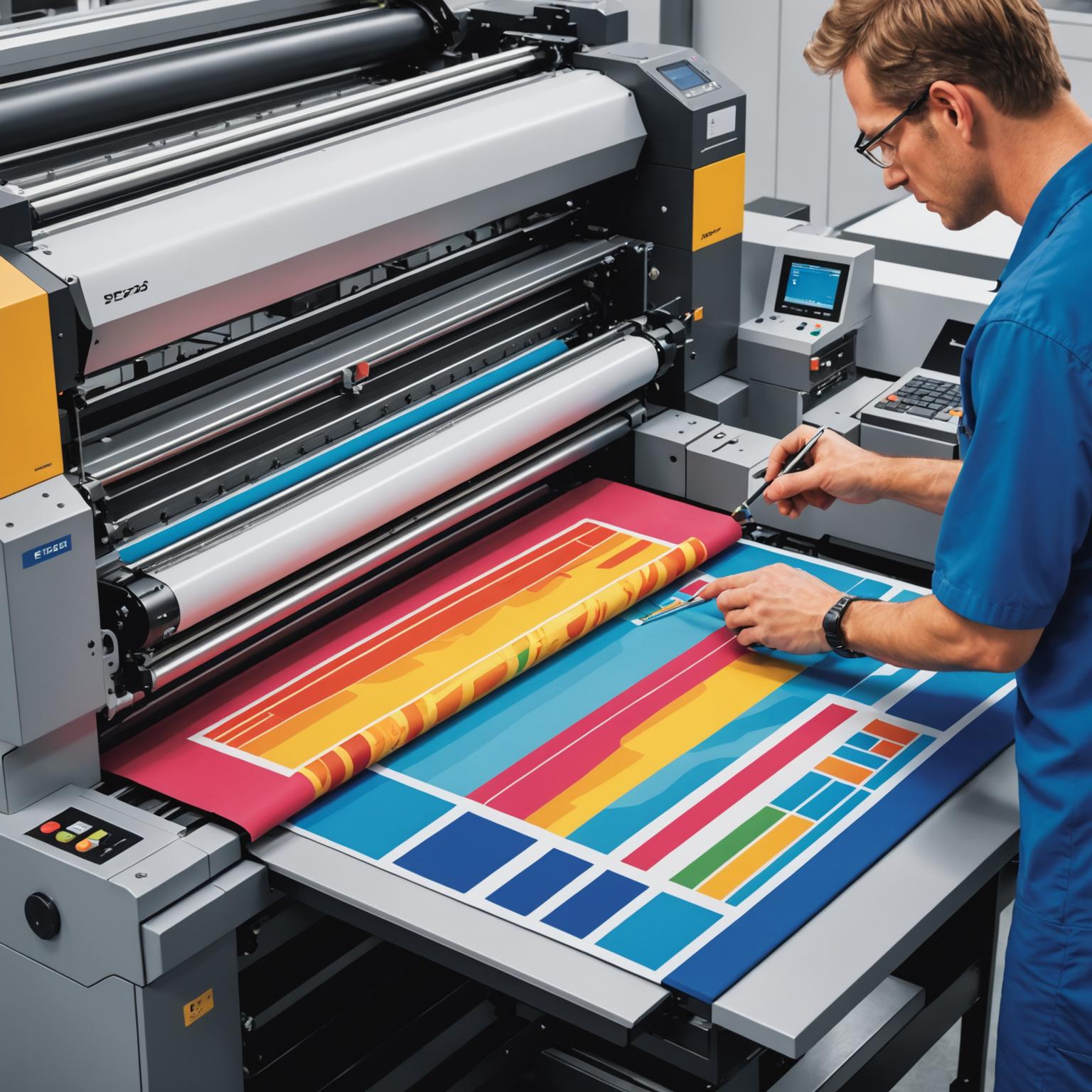
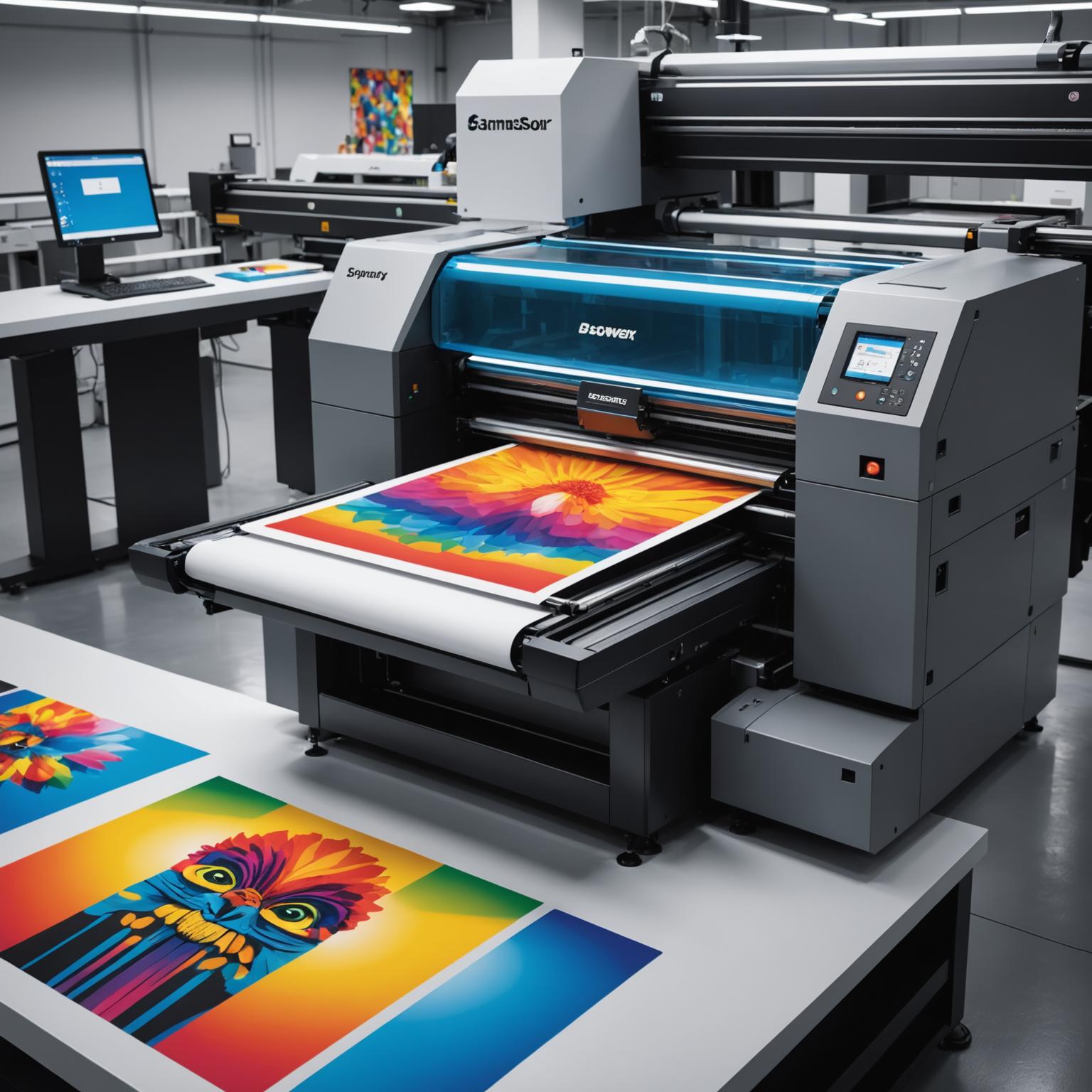
When it comes to printing and packaging, the choice of paper can dramatically impact the final product's look, feel, and performance. A common point of deliberation for businesses and designers is the great debate of coated paper vs woodfree paper. While they may both start from similar raw materials, their distinct manufacturing processes result in vastly different characteristics, making each suitable for specific purposes. Understanding these differences is crucial for ensuring your brochures, packaging, or business documents achieve the intended effect.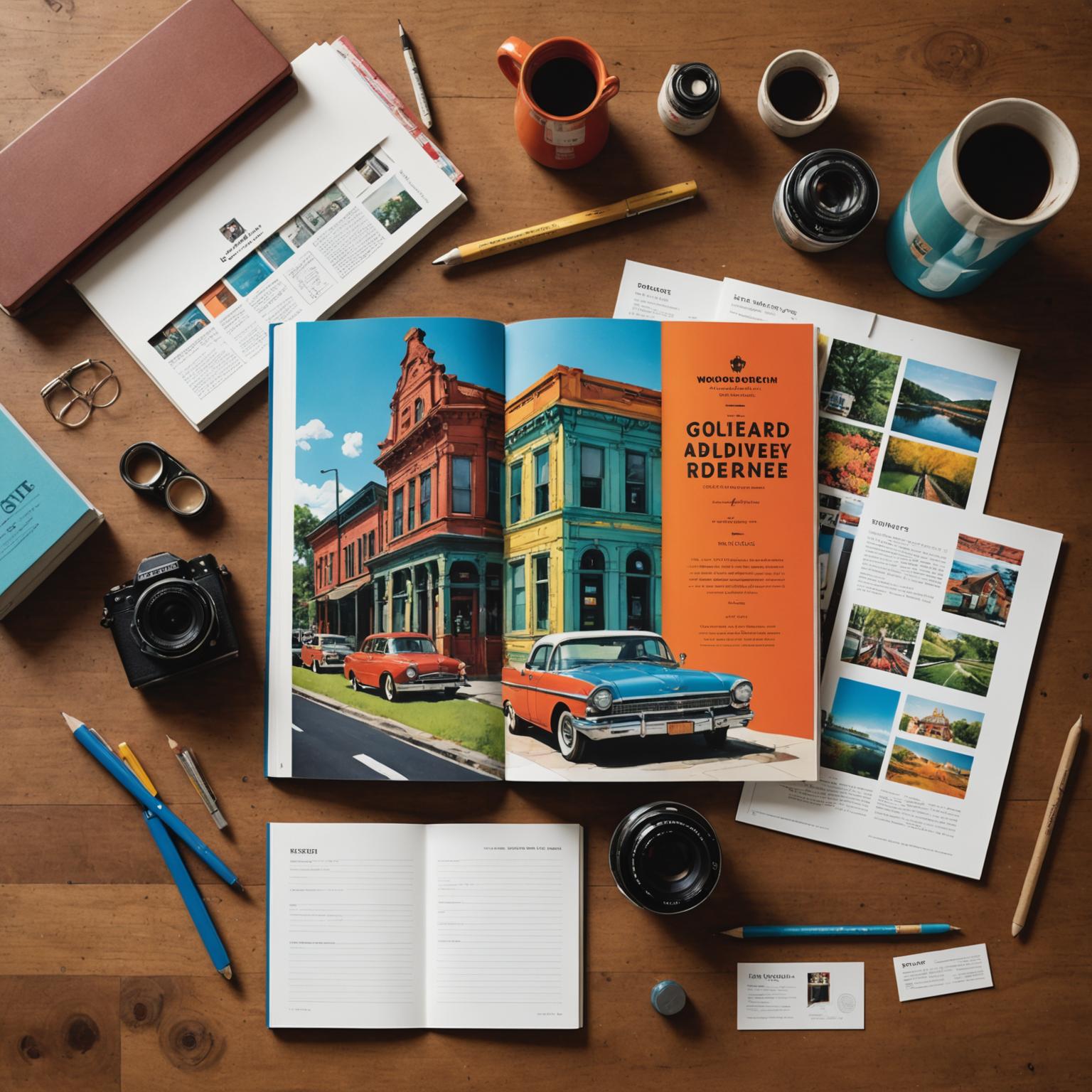
Understanding Coated Paper: A Closer Look
A coated paper has been treated with a surface sealant, typically a mixture of clay or other polymers, to impart certain qualities. This coating fills the tiny pits and pores between the paper's natural fibers, creating a smooth, flat surface. This smoothness is why coated paper is the go-to choice for high-quality image reproduction. Because the ink sits on top of the coating rather than sinking into the fibers, colors appear more vibrant and details are sharper. Coated papers come in various finishes, including gloss for a shiny, reflective look; matte for a non-reflective, sophisticated finish; and silk or satin, which offers a balance between the two. This makes it ideal for magazines, photography books, high-end catalogs, and premium product packaging where visual appeal is paramount.
Exploring Woodfree (Uncoated) Paper: Natural and Versatile
Contrary to what its name might suggest, woodfree paper is still made from wood pulp. The term 'woodfree' indicates that the lignin—a natural polymer that causes paper to yellow over time—has been chemically removed from the pulp. This results in a paper with high archival quality. Essentially, woodfree paper is a high-quality type of uncoated paper. It lacks the surface sealant of its coated counterpart, leaving it with a more natural, porous, and sometimes textured feel. This absorbency makes it perfect for applications involving writing or extensive reading, as it reduces glare and readily soaks up ink from a pen without smudging. Think of novels, letterheads, envelopes, notebooks, and business forms—all applications where writability and readability are key.
Key Differences: Print Quality, Feel, and Durability
The primary distinction in the coated vs uncoated paper applications dilemma lies in how they interact with ink. Coated paper's non-porous surface leads to crisp visuals and brilliant colors, making it superior for photo-heavy designs. Uncoated paper absorbs ink, resulting in softer, warmer colors and lines, which can be an intentional and desirable aesthetic choice for a more rustic or classic feel. Tactilely, the difference is obvious: coated paper is slick and smooth, while uncoated paper feels more organic and substantial. In terms of durability, the coating on coated paper offers a degree of resistance to dirt, moisture, and wear, which is why it's often used for materials that will be handled frequently, like menus or product labels.
Choosing the Right Paper: Woodfree Paper vs Coated Paper Applications
Ultimately, the choice between the two paper types depends on the project's specific needs. For a business showcasing a premium apparel line or detailed denim products in a catalog, a glossy or silk coated paper would best represent the quality and visual texture of the fabrics. On the other hand, a company focused on eco-conscious packaging would likely opt for uncoated or woodfree paper to convey a brand message of sustainability and natural quality. When considering woodfree paper vs coated paper applications, think about the end-user. For a document that needs to be written on, like a form or a planner, uncoated paper is the only practical choice. For a product label on an apple that needs to be durable and eye-catching, a coated stock is preferable. The function, desired aesthetic, and brand identity are the guiding factors in making the right selection.