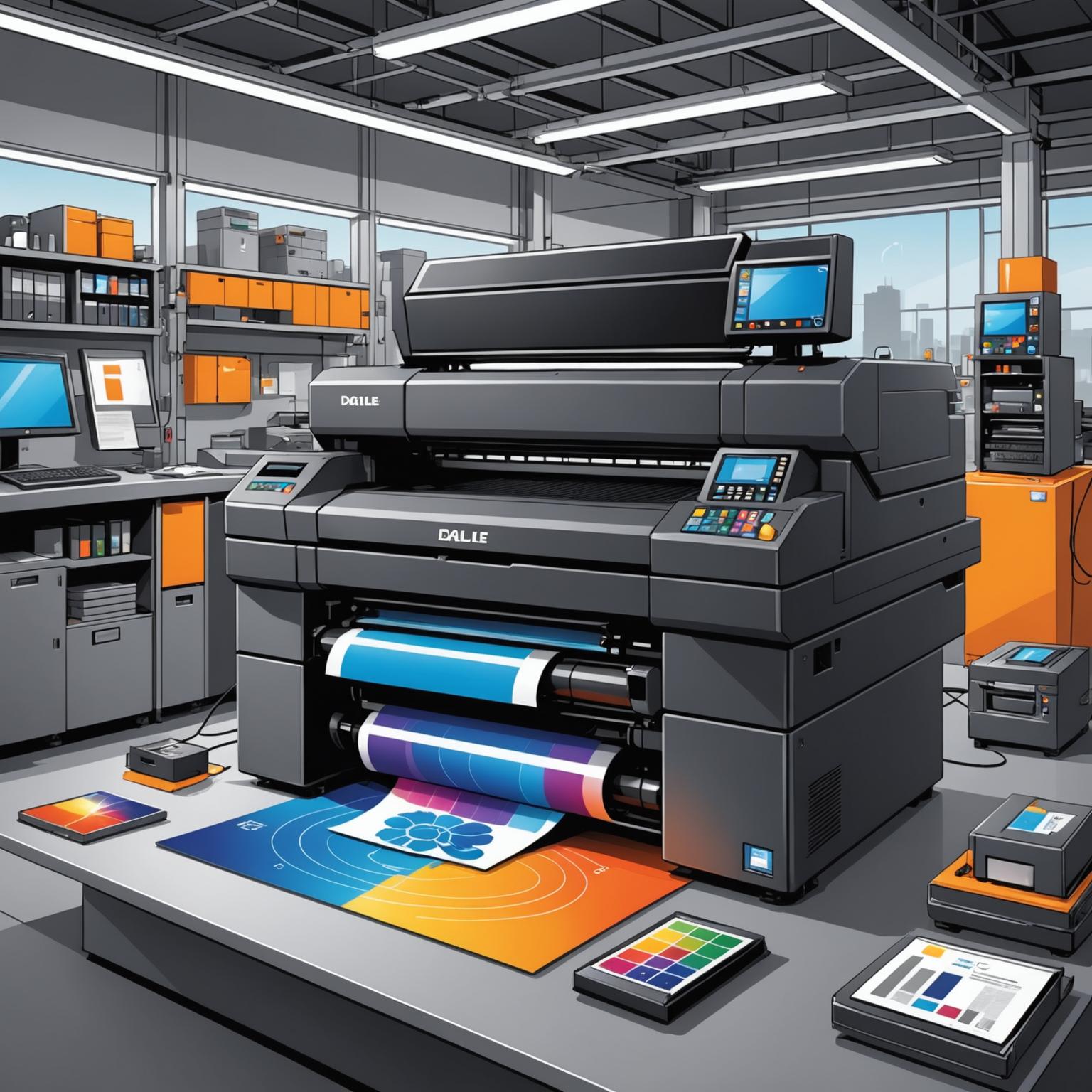
The Vibrant World of Offset Printing Inks
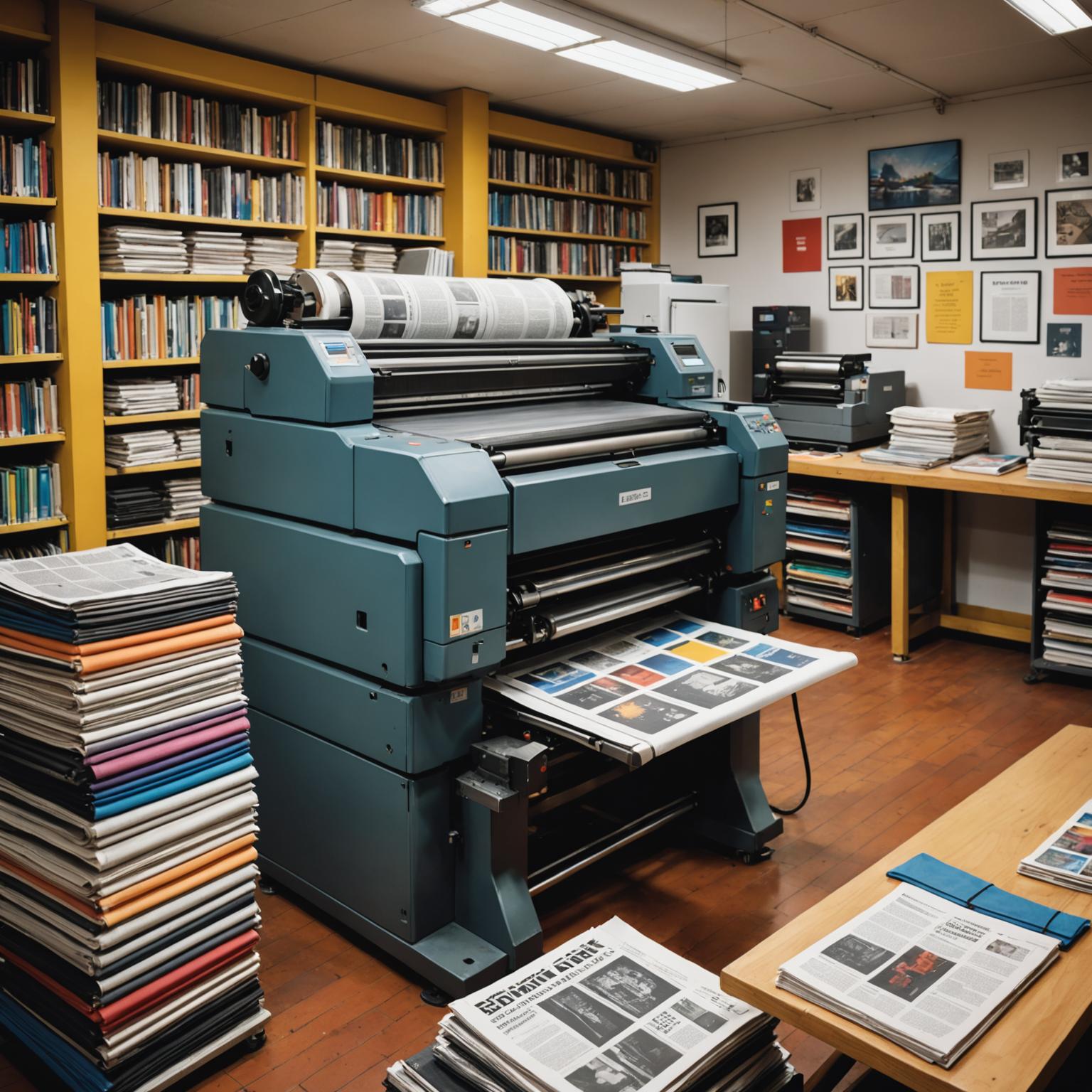
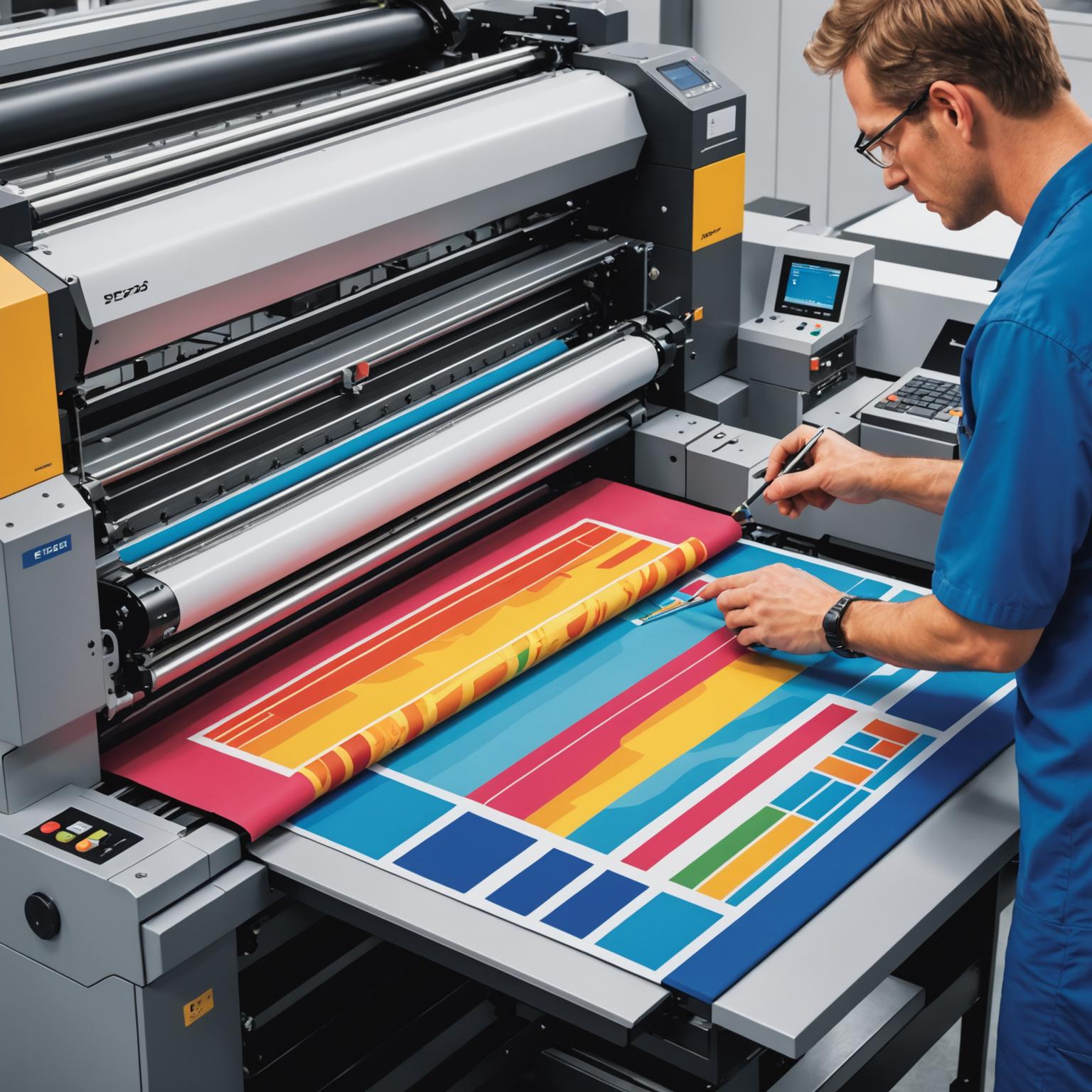
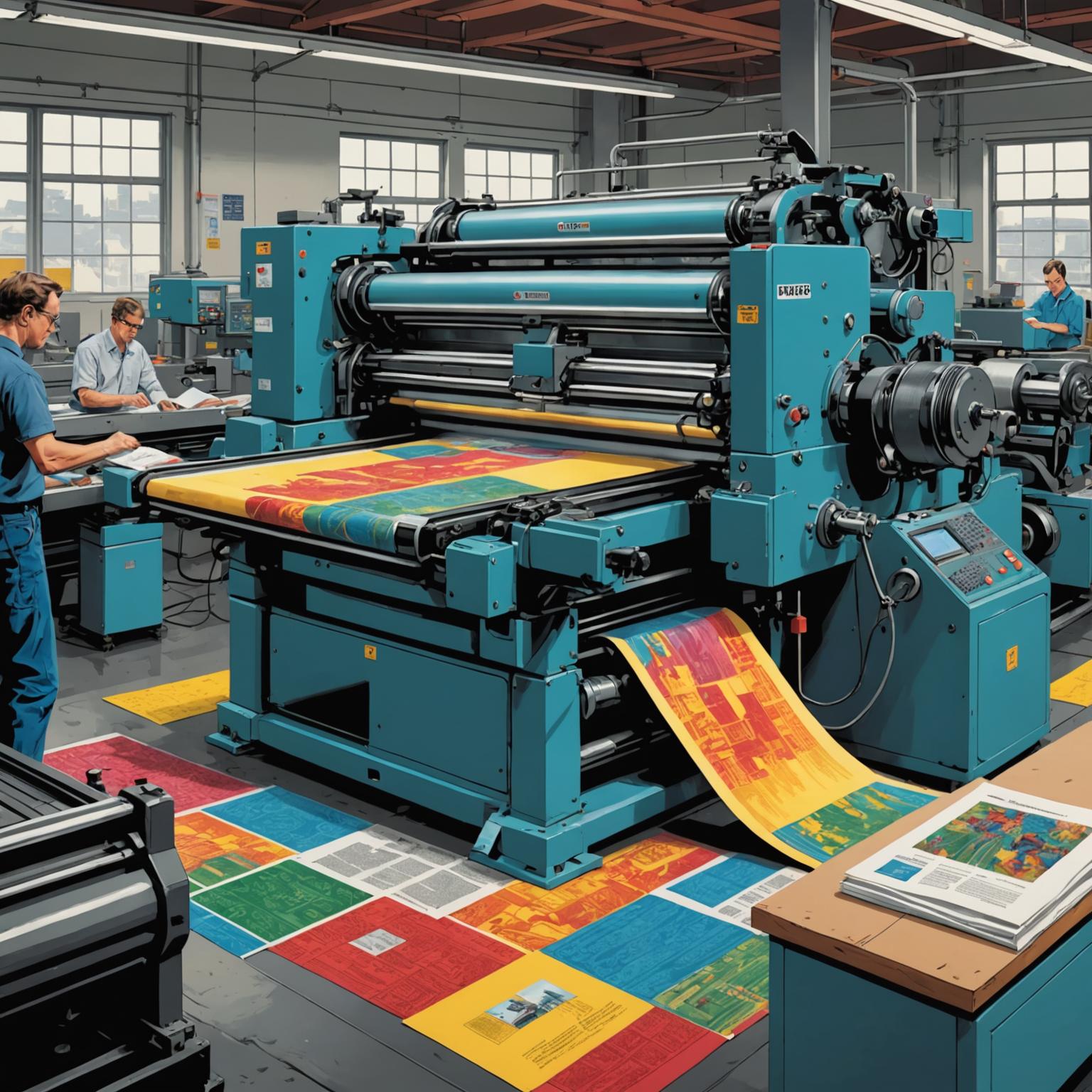
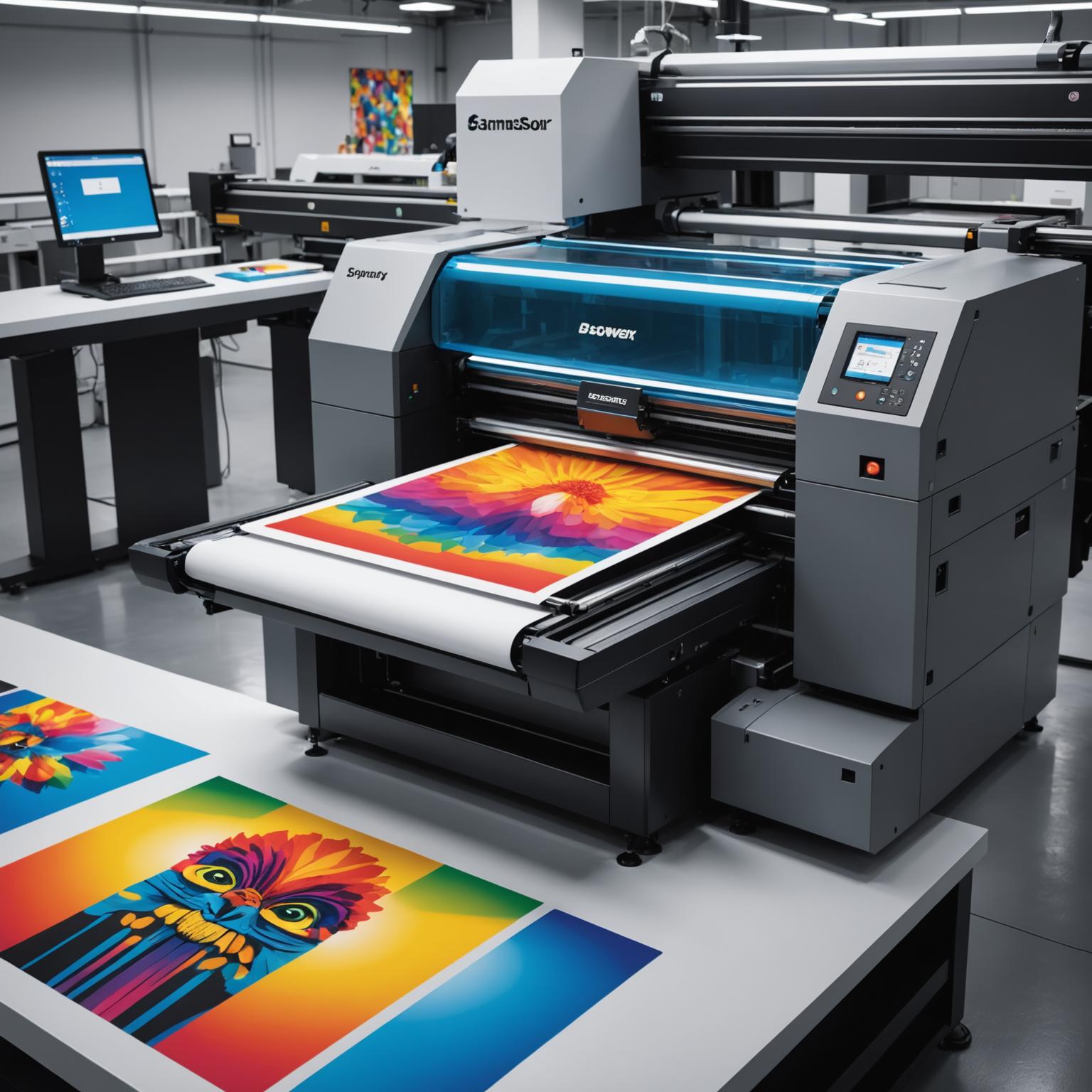
In the intricate dance of commercial printing, the ink is a pivotal partner, transforming a blank substrate into a vibrant, tactile piece of communication. The quest for the best offset printing inks is a journey every printer and designer undertakes, as the choice of ink profoundly affects the final product's color fidelity, durability, and overall aesthetic appeal. A great print job isn't just about the design or the paper; it's about the harmonious interaction of all elements, with the ink serving as the lifeblood of the image, bringing every detail to life with rich color and precise definition. Understanding the properties and varieties of these inks is the first step toward achieving printed perfection.
A Deep Dive into Offset Ink Types
The world of offset printing is supported by a surprisingly diverse range of ink formulations, each engineered for specific presses, substrates, and end-uses. Broadly, these can be categorized into several primary offset ink types. The most traditional are conventional, oil-based inks used in sheet-fed printing. These inks dry through a process of oxidation and absorption into the paper fibers, requiring time to set fully. For high-speed, high-volume jobs on web presses, heat-set inks are the standard. These inks are designed to dry almost instantly when passed through a heated dryer, their solvents evaporating to leave the pigment firmly bonded to the paper. This process is ideal for magazines and catalogs where speed is of the essence. A more modern and increasingly popular category is UV-cured ink. Instead of drying through oxidation or evaporation, these inks are liquid polymers that solidify instantly when exposed to intense ultraviolet light. This curing process creates an incredibly durable, scuff-resistant finish with a high-gloss sheen, perfect for packaging and high-end promotional materials.
Selecting the Perfect Ink for Your Project
Choosing the best offset printing inks for a specific application requires a careful consideration of several factors. The substrate, or the material being printed on, is paramount. Uncoated papers are more porous and will absorb more ink, which can affect color vibrancy and drying time, making a quick-setting ink formulation desirable. Coated, glossy papers, on the other hand, hold the ink on the surface, allowing for sharper details and brighter colors, and are an excellent match for inks that produce a high-gloss finish. The press type—sheet-fed or web—will immediately narrow down the viable offset ink types. Beyond the technical requirements, the desired aesthetic and function of the final piece are critical. Is the print meant to be an archival piece, a durable package, or a vibrant flyer? Answering these questions guides the selection, whether it leads to a standard process ink, a specialty metallic ink, or an eco-friendly soy-based ink. Ultimately, the best ink is the one that perfectly aligns with the project's goals, budget, and technical specifications, ensuring a result that is both beautiful and fit for purpose.