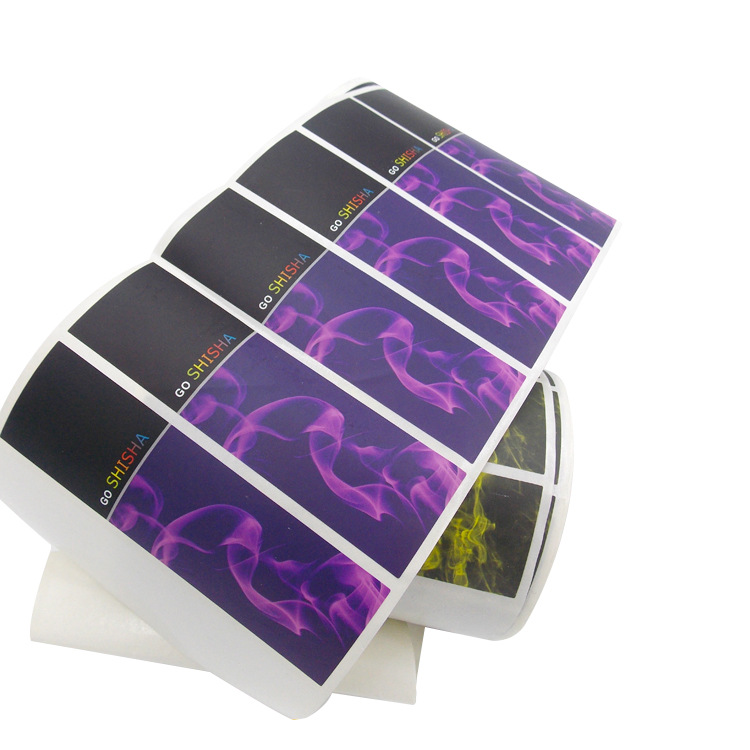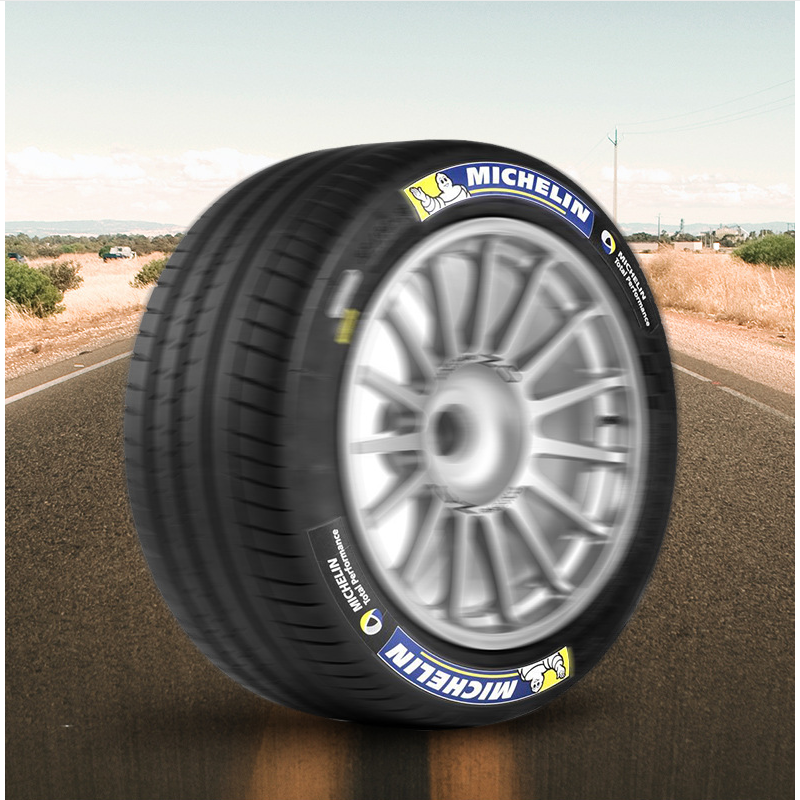
The humble tire label is far more than just a sticker; it"s a crucial passport of information, offering a window into the capabilities, performance, and safety characteristics of the rubber that connects your vehicle to the road. When considering an advanced product like the Michelin High Performance tyre, understanding its tire label becomes paramount. This seemingly simple identifier reveals a wealth of data, from energy efficiency to wet grip capabilities, empowering drivers to make informed decisions that align with their driving style and the demands of their vehicle. It translates complex engineering, like the kind found in Michelin"s sleek, high-profile tread patterns designed for enhanced grip, into understandable metrics.
Peeling back the layers of a modern tire label reveals a standardized system of codes and ratings designed for clarity. Typically, you"ll find the brand prominently displayed – in our example, "Michelin," a name synonymous with heritage and engineering prowess. Adjacent to this, the tire model, such as "High Performance tyre," and specific size designations are clearly marked. These figures aren"t arbitrary; they dictate the tire"s dimensions, load-carrying capacity, and maximum speed rating – critical factors for ensuring compatibility and safety. The sidewall information, often reflected or summarized on the label, speaks volumes about the tire"s construction, including features such as reinforced rubber for durability, crucial for a high-performance product designed for demanding environments.
Beyond the basic identifiers, the tire label delves into performance metrics that directly impact your driving experience and running costs. A key feature now common on many labels, especially in regions like Europe, is the rating for fuel efficiency. For a tire like the Michelin High Performance model, which incorporates advanced compounds to improve fuel economy, this section of the label provides tangible proof of its energy-saving potential. Often displayed as a letter grade from A (best) to G (worst), it allows for quick comparison. Similarly, wet grip performance, another critical safety aspect, is also graded. This rating reflects the tire"s ability to brake effectively on wet surfaces, a characteristic directly linked to tread design and rubber composition, contributing to the "seamless blend of safety and mobility" promised by quality tires.
Another important piece of information conveyed on the modern tire label is the external rolling noise level, measured in decibels (dB) and often accompanied by a visual representation of sound waves. This addresses the environmental impact of tire noise and contributes to a more comfortable driving experience. For high-performance tires, which might be perceived as potentially noisier due to aggressive tread patterns, this objective measurement provides clarity. Furthermore, in regions like the USA, the Uniform Tire Quality Grading (UTQG) standards offer ratings for treadwear, traction (on dry surfaces), and temperature resistance. Treadwear gives an indication of the tire"s expected lifespan, traction (AA, A, B, C) its straight-line stopping ability on wet pavement, and temperature (A, B, C) its resistance to heat generation, essential for maintaining integrity at high speeds. These details on the label help consumers understand the "reliability and innovation" embedded within the tire"s architecture.
For products marketed as "high performance," such as the Michelin tyre designed to maximize control and precision, the tire label acts as a spec sheet for the discerning driver. It’s not merely about meeting basic requirements; it’s about showcasing the advanced engineering that delivers superior handling, enhanced grip, and overall driving confidence. The label helps contextualize claims of "unparalleled performance and sophistication" by providing objective data points. Whether navigating city streets or venturing onto the open road, the information decoded from the tire label empowers the driver to select a product that truly matches their pursuit of an exceptional driving experience, understanding how its specific characteristics contribute to safety, efficiency, and the pure joy of driving. It allows them to verify that the tire"s advertised benefits, stemming from its "robust architecture" and "advanced compounds," are reflected in standardized ratings.
In essence, the tire label serves as an indispensable guide, demystifying the complex world of tire technology. It transforms a simple purchase into an educated choice, ensuring that the selected tires, whether they are a premium offering like the Michelin High Performance tyre or a more standard option, are the right fit for the vehicle, the driver, and the prevailing road conditions. It"s a testament to transparency in the automotive industry, providing a clear, concise summary of what you can expect from your tires – from their impact on your fuel bill to their ability to keep you safe in challenging weather, supporting the promise of both "durability and longevity." Next time you"re choosing new tires, take a moment to appreciate the wealth of information presented on that small but mighty label; it"s your key to unlocking optimal performance and peace of mind on every journey.

Description
Additional Information
Privacy Policy
Reviews