The Fluid Medium of Modern Printing
In the vast and colorful world of printing, ink is the lifeblood that brings ideas to life on a myriad of surfaces. From the books we read to the packaging that protects our food, ink is a silent yet essential component of our daily lives. Among the various types available, water based ink stands out as a versatile, vibrant, and environmentally conscious choice. It represents a significant shift towards sustainability in the printing industry, offering a powerful alternative that doesn't compromise on quality while being gentler on our planet and the people who handle it.
Unveiling the Composition
At its core, water based ink is a simple yet elegant formulation. Its primary component is water, which acts as the solvent or vehicle to carry the colorant. This color is provided by fine particles of pigment, which are suspended, not dissolved, within the water. To perfect its performance, a blend of additives is included. Binders, often acrylic polymers, are crucial for helping the ink adhere to the substrate once the water has evaporated. Other additives may include humectants to prevent the ink from drying too quickly on the press, defoamers to control bubbles, and rheology modifiers to ensure the ink flows with the perfect consistency. This carefully balanced concoction results in an ink that is both effective and significantly less harsh than its solvent-based counterparts.
A Breath of Fresh Air: Environmental and Safety Benefits
The most compelling story of this ink technology lies in its environmental credentials. Unlike solvent-based inks that release high levels of Volatile Organic Compounds (VOCs) into the atmosphere, water-based formulations have an exceptionally low VOC content. This drastically reduces air pollution and minimizes health risks for print operators, creating a safer and more pleasant working environment. Cleanup is another area where its superiority shines. Spills and press cleaning can be managed with simple water and mild soap, eliminating the need for aggressive and hazardous chemical solvents. This ease of use and disposal greatly lessens the environmental impact, making it a preferred choice for companies dedicated to corporate social responsibility and sustainable practices.
A Canvas of Possibilities: Applications and Versatility
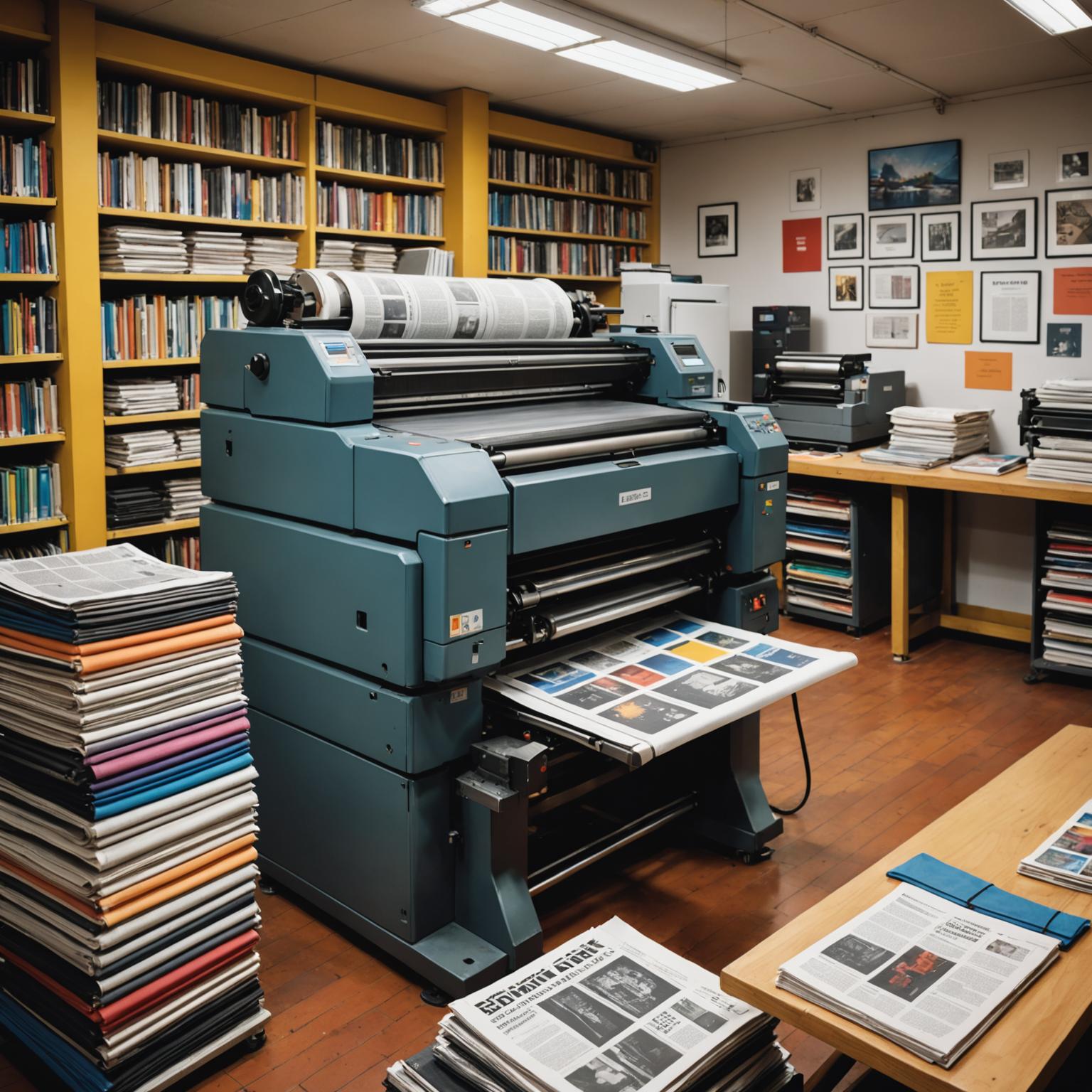
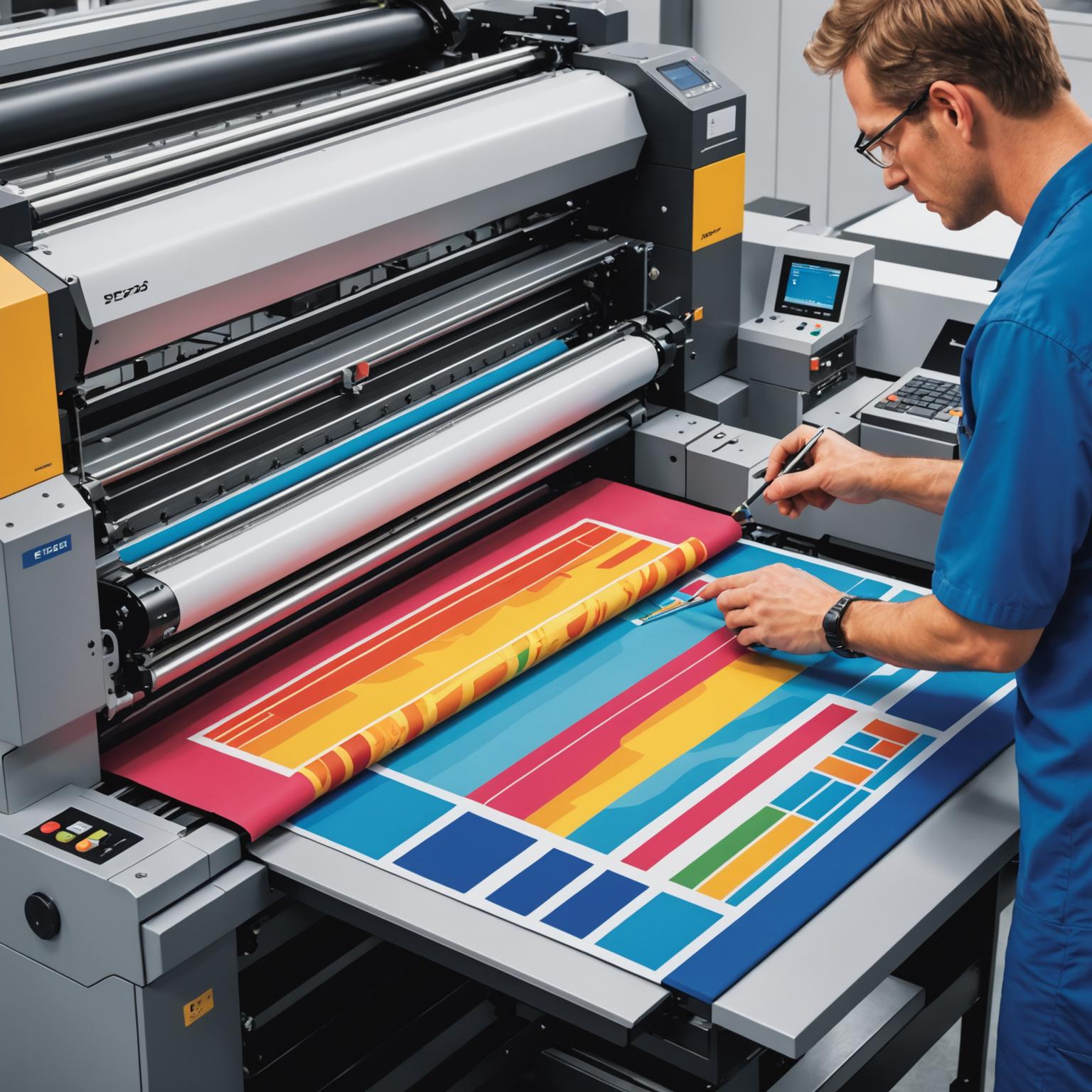
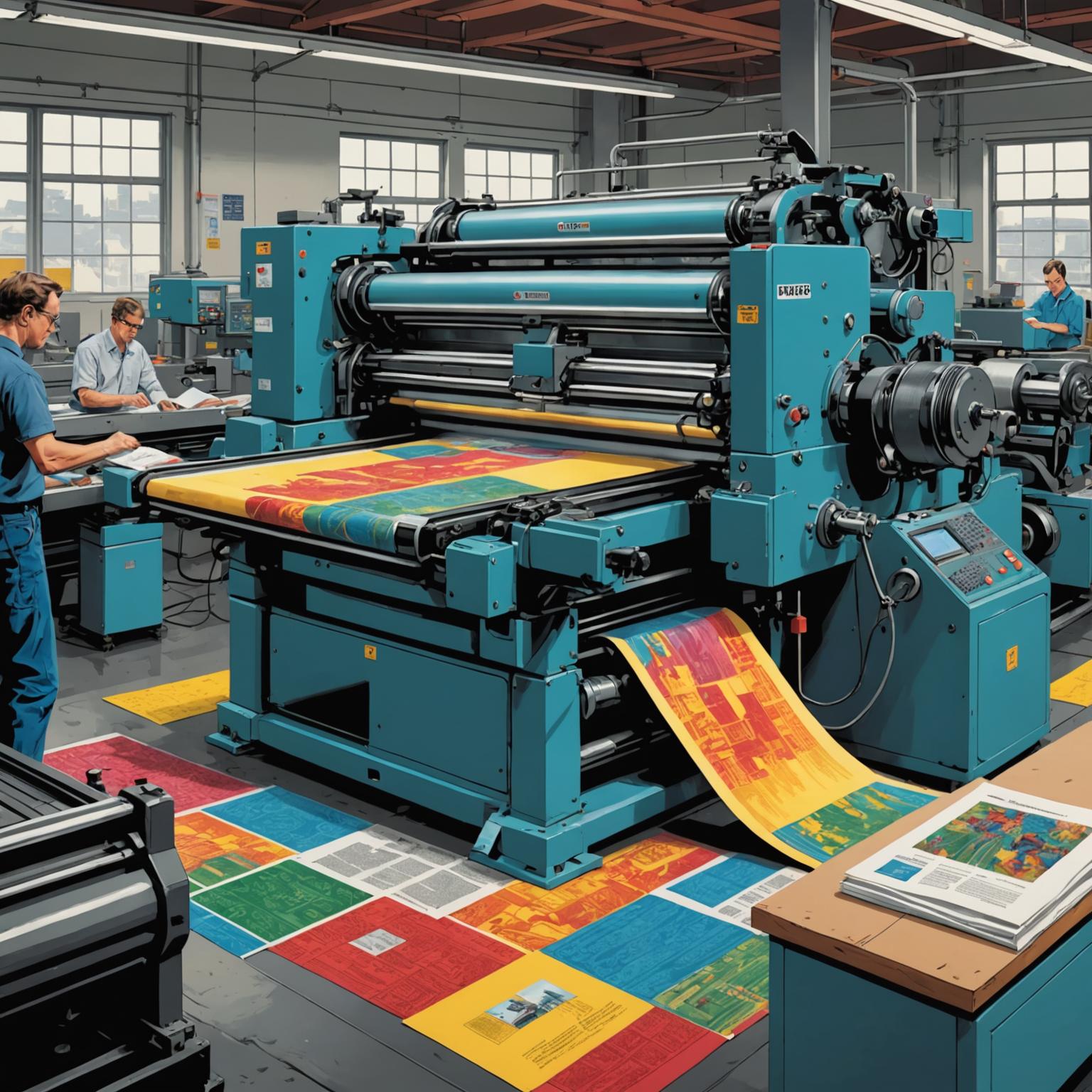
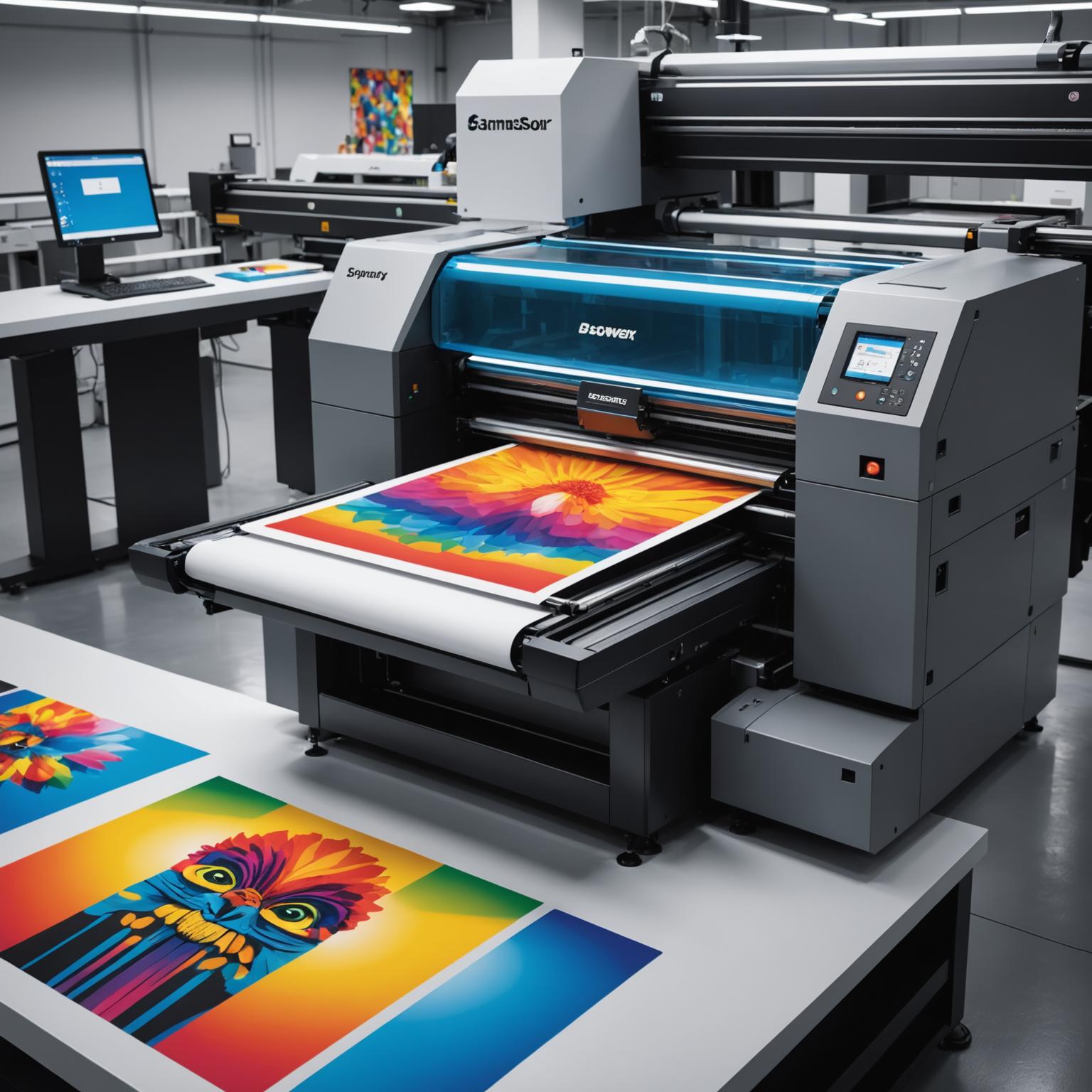
The adaptability of water based ink makes it suitable for a diverse range of applications, particularly on porous and absorbent materials. It is a dominant force in printing on paper and corrugated cardboard, used for everything from newspapers and magazines to shipping boxes and retail packaging. The textile industry also heavily relies on it for screen printing on garments. When applied to fabric, it permeates the fibers, creating a famously soft and breathable finish that integrates with the material, a stark contrast to the often thick and plastic-like feel of other inks. Furthermore, its brilliant and crisp colors make it a favorite for flexographic printing on paper bags and for creating stunning, high-resolution graphics in digital wide-format printing for posters and indoor signage.