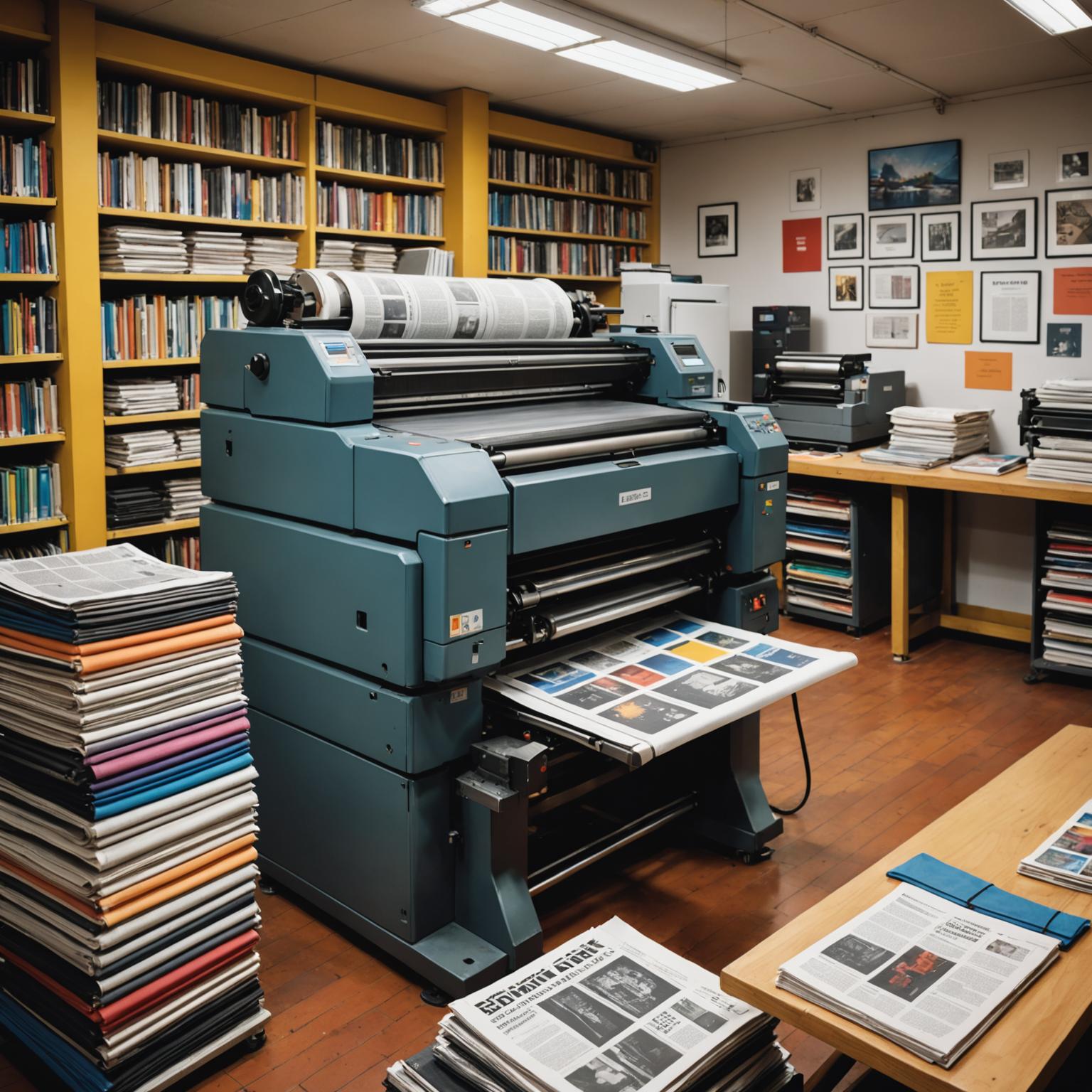
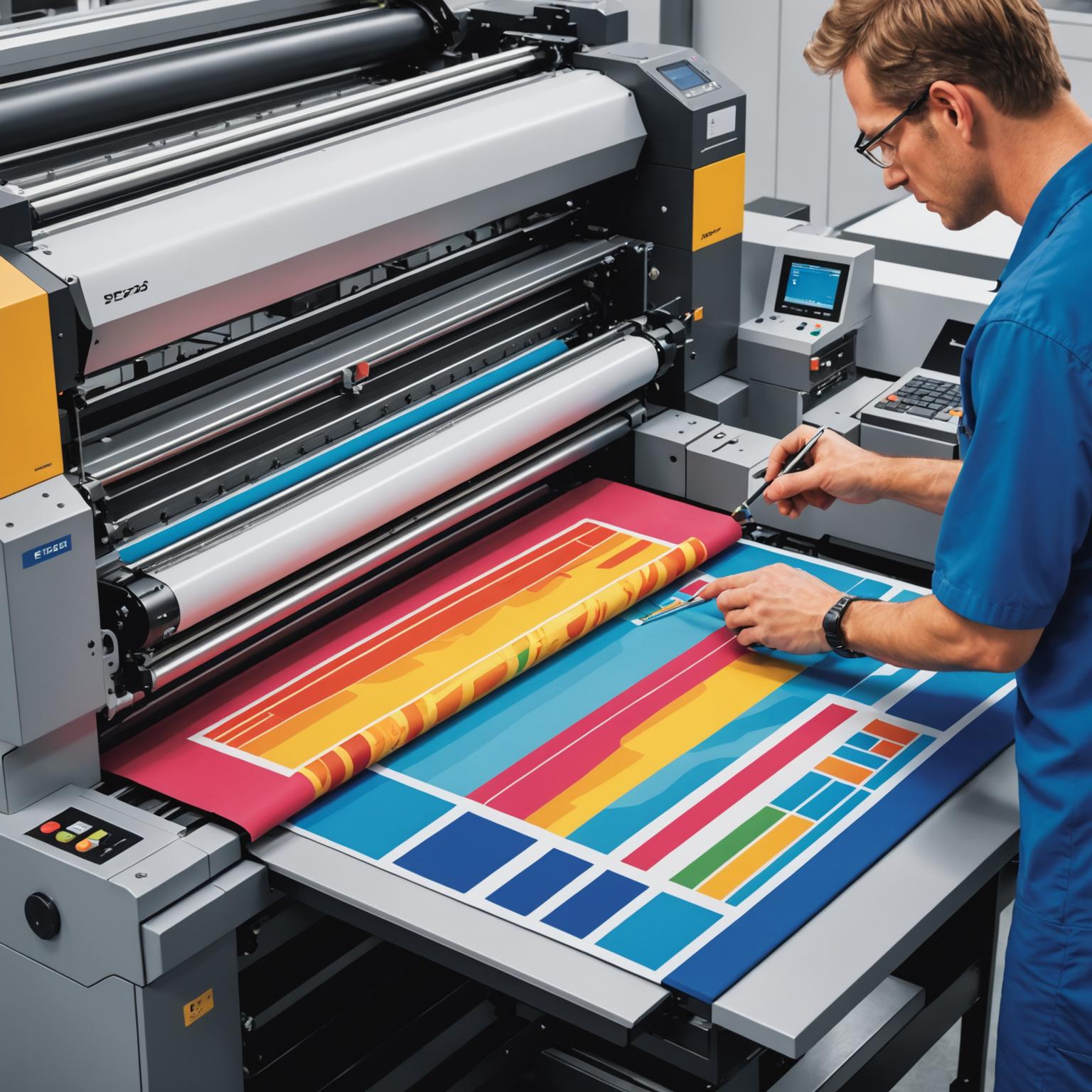
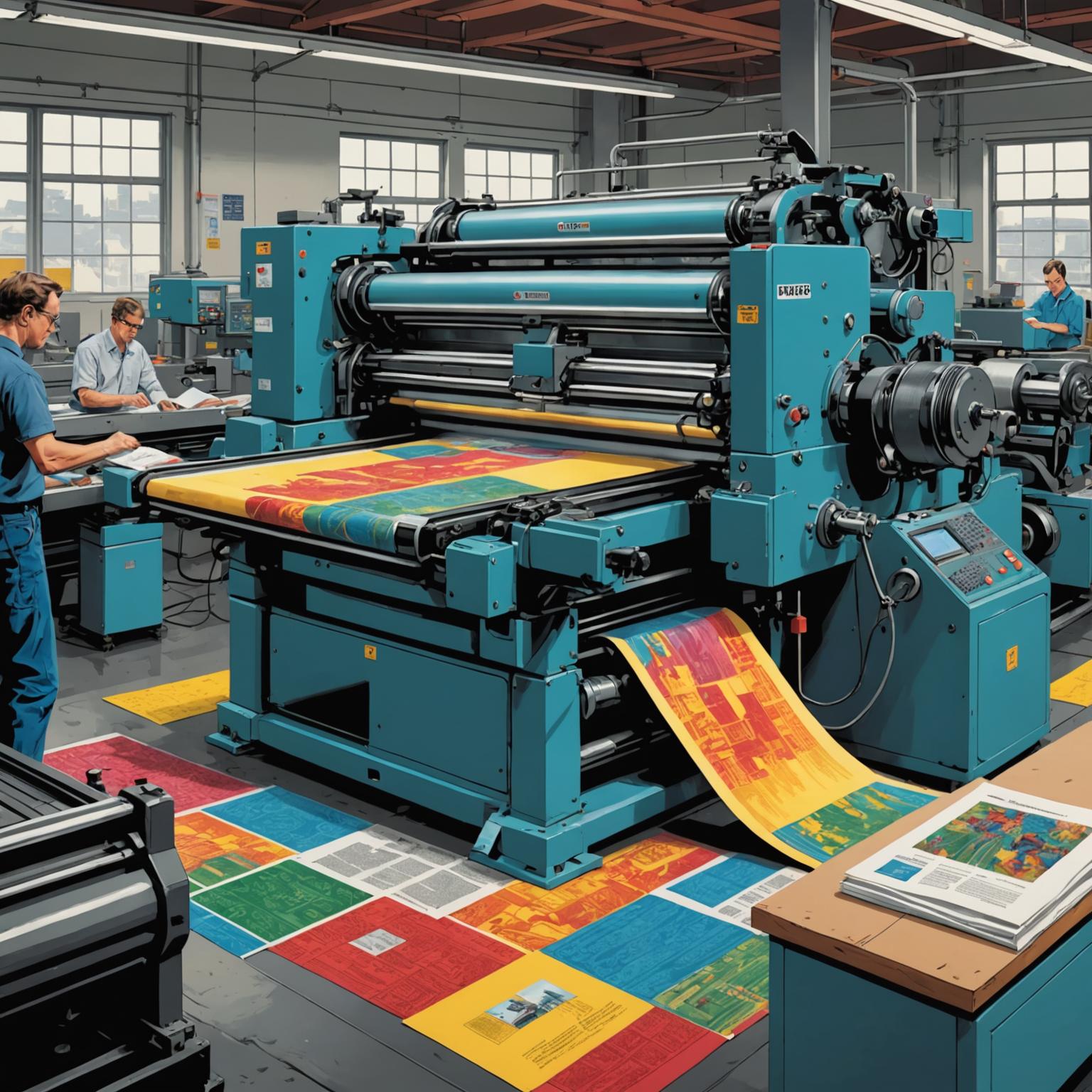
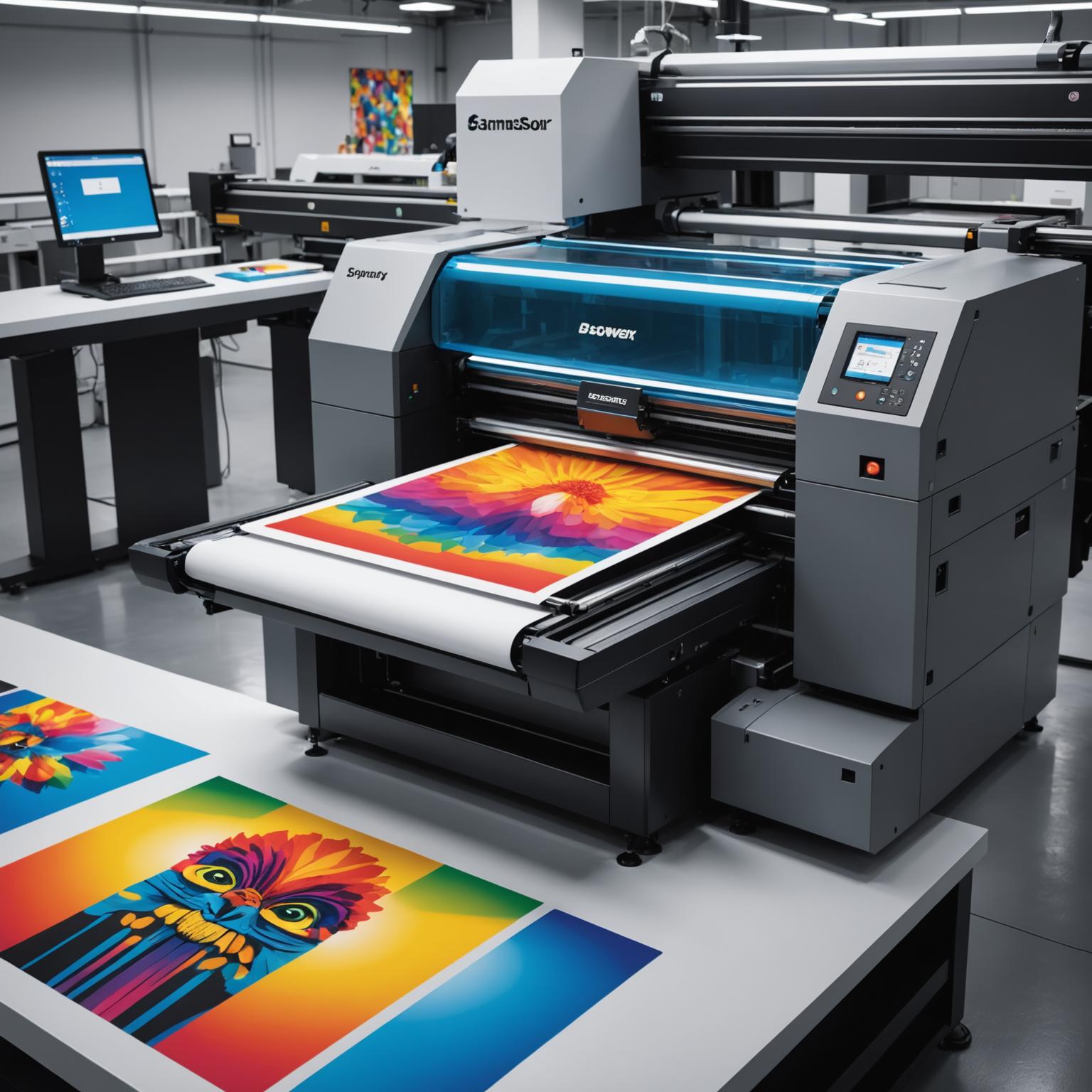
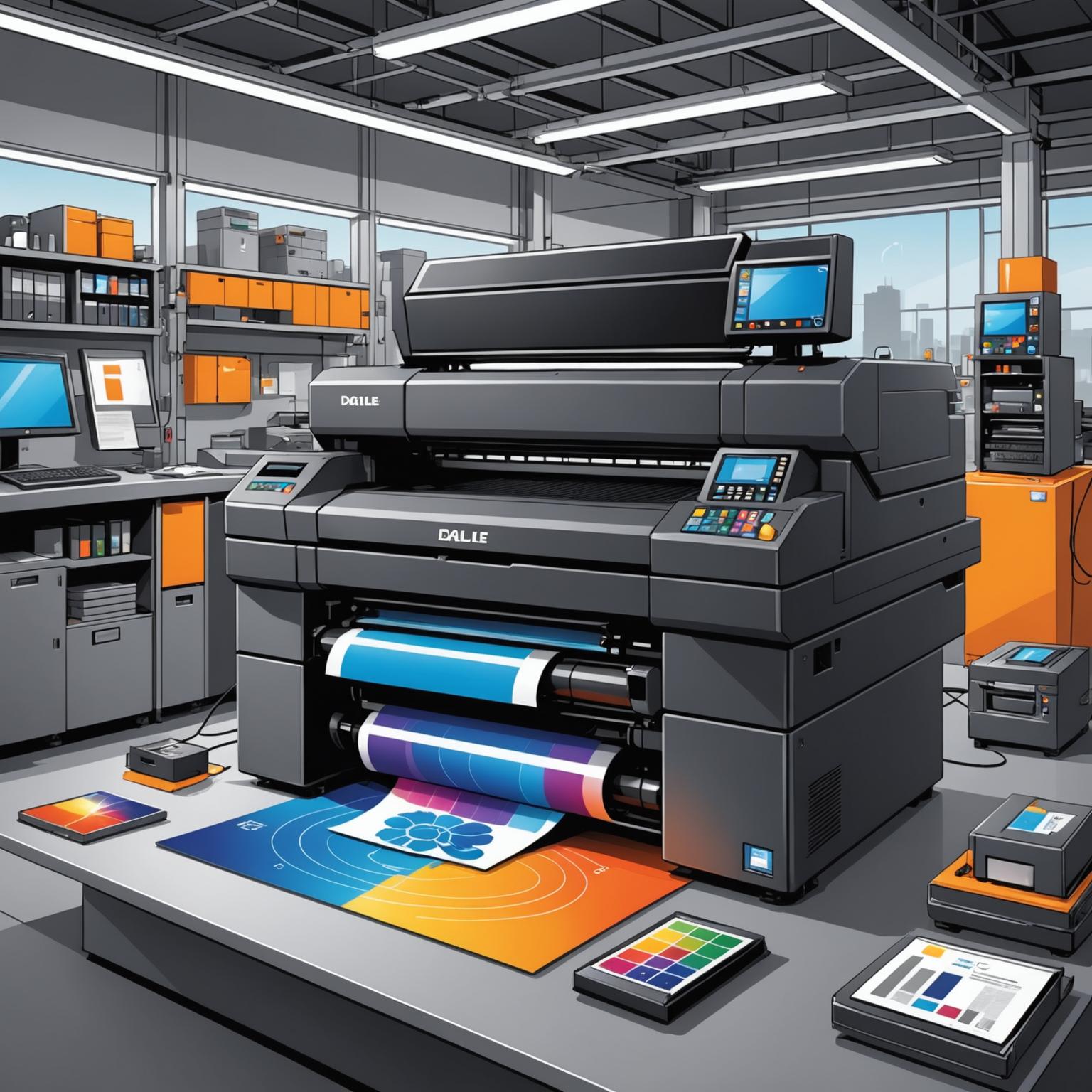
The world of printing has expanded far beyond paper, entering the dynamic realm of plastics. For businesses looking to create durable, high-impact products and packaging, using a specialized offset ink for plastics is a game-changing solution. This technology allows for the application of intricate, colorful designs onto non-porous surfaces, which traditionally posed significant challenges for printers. From loyalty cards to sophisticated packaging, the ability to print effectively on plastic opens up a universe of creative and commercial possibilities.
Achieving Vibrant and Colorful Results on Plastic Surfaces
The primary challenge with printing on plastics like PVC, PET, or polypropylene is ink adhesion and drying. Unlike paper, plastic doesn't absorb ink. Therefore, specialized inks are required that can bond chemically to the surface and cure properly to prevent smudging and ensure longevity. Modern offset inks for plastic are often UV-curable, meaning they dry almost instantly when exposed to ultraviolet light. This rapid curing process locks in the pigments, resulting in exceptionally sharp details and a stunningly colorful finish. This capability is essential for brands that rely on visual appeal to capture consumer attention, as the ink can reproduce a wide gamut of colors with incredible fidelity and brightness.
Ideal Applications: The Rise of Offset Printing in Game Cards Package Production
One of the most exciting applications for this technology is in the production of a Game cards package. The gaming industry is highly competitive, and the packaging is the first point of contact with a potential buyer. It needs to be not only visually striking but also durable enough to protect the contents and withstand shipping and handling. Using offset ink for plastics on a Game cards package ensures the artwork is crisp, vibrant, and resistant to scuffing. The durable finish maintains the product's premium feel long after it leaves the shelf. This same principle applies to many other items, such as high-end cosmetic packaging, promotional materials, ID cards, and gift cards, where both aesthetic quality and durability are paramount. A well-printed Game cards package can significantly influence a customer's purchasing decision.
Key Considerations for Successful Plastic Offset Printing
Achieving optimal results requires more than just the right ink. The plastic substrate itself often needs pre-treatment, such as a corona treatment, to alter its surface energy and make it more receptive to the ink. This step is crucial for ensuring a strong, lasting bond between the ink and the plastic. Furthermore, the printing equipment must be configured for handling plastic sheets and equipped with an appropriate UV curing system. Printers must carefully manage variables like press speed, ink viscosity, and UV lamp intensity to achieve consistent quality. By controlling these elements, it's possible to produce incredibly detailed and colorful graphics that make plastic products stand out in a crowded market.
The Future of Printing on Plastics
As consumer expectations for product quality and design continue to rise, the demand for advanced printing solutions will only grow. The use of specialized offset ink for plastics provides a reliable and high-quality method for decorating a wide range of products. For industries ranging from entertainment, with items like a Game cards package, to finance and retail, the ability to print durable, beautiful graphics on plastic is no longer a luxury but a necessity for building a strong brand identity and delivering a superior customer experience.