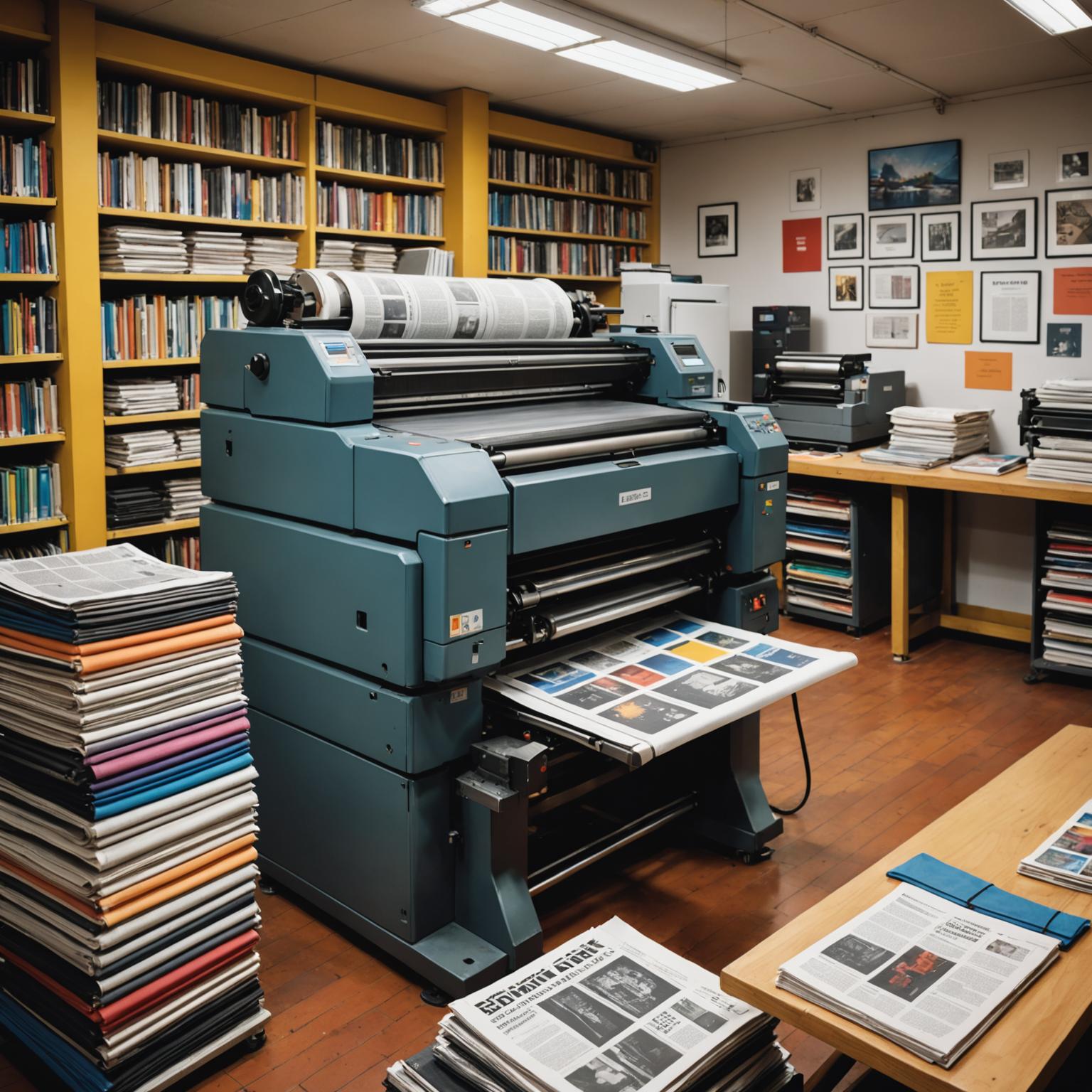
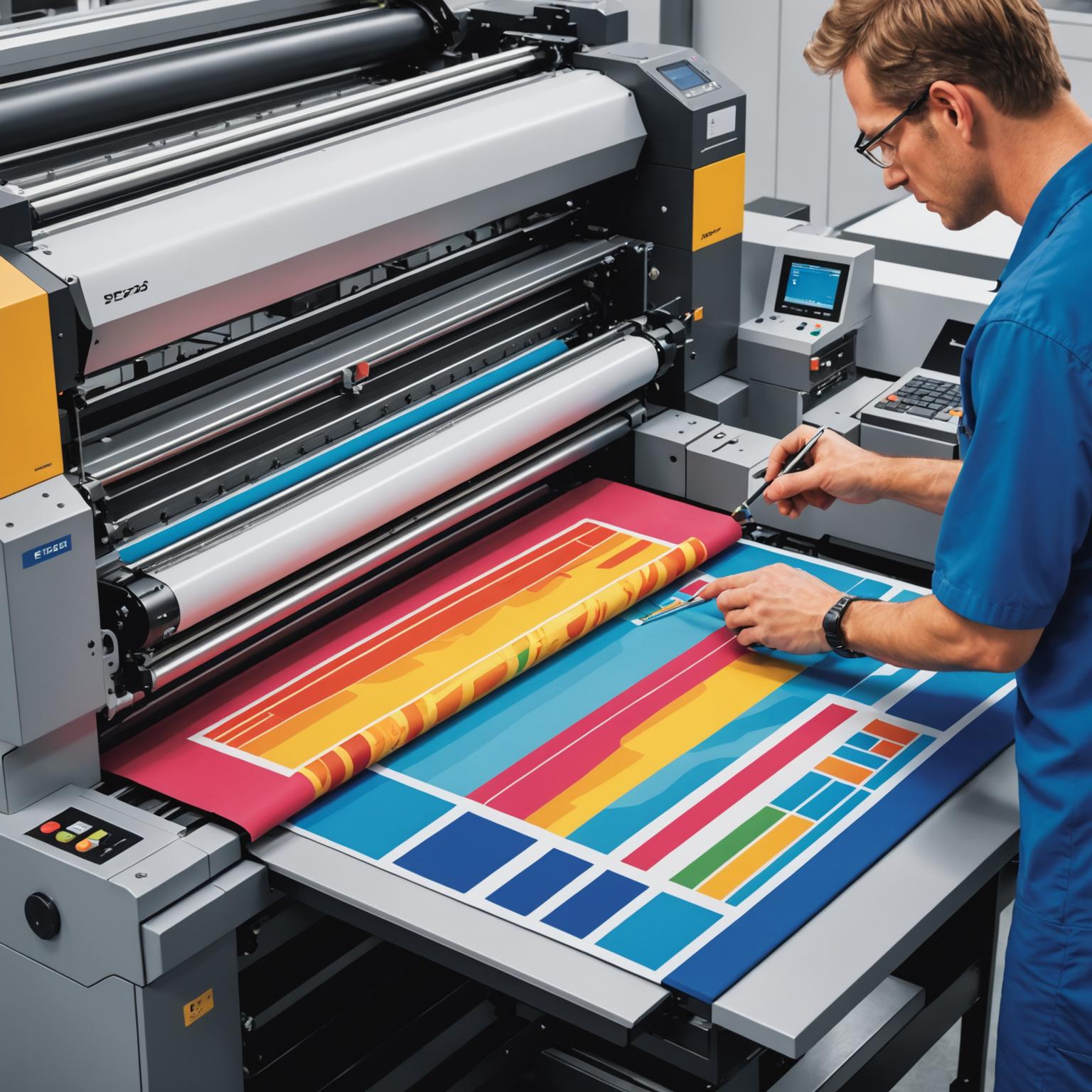
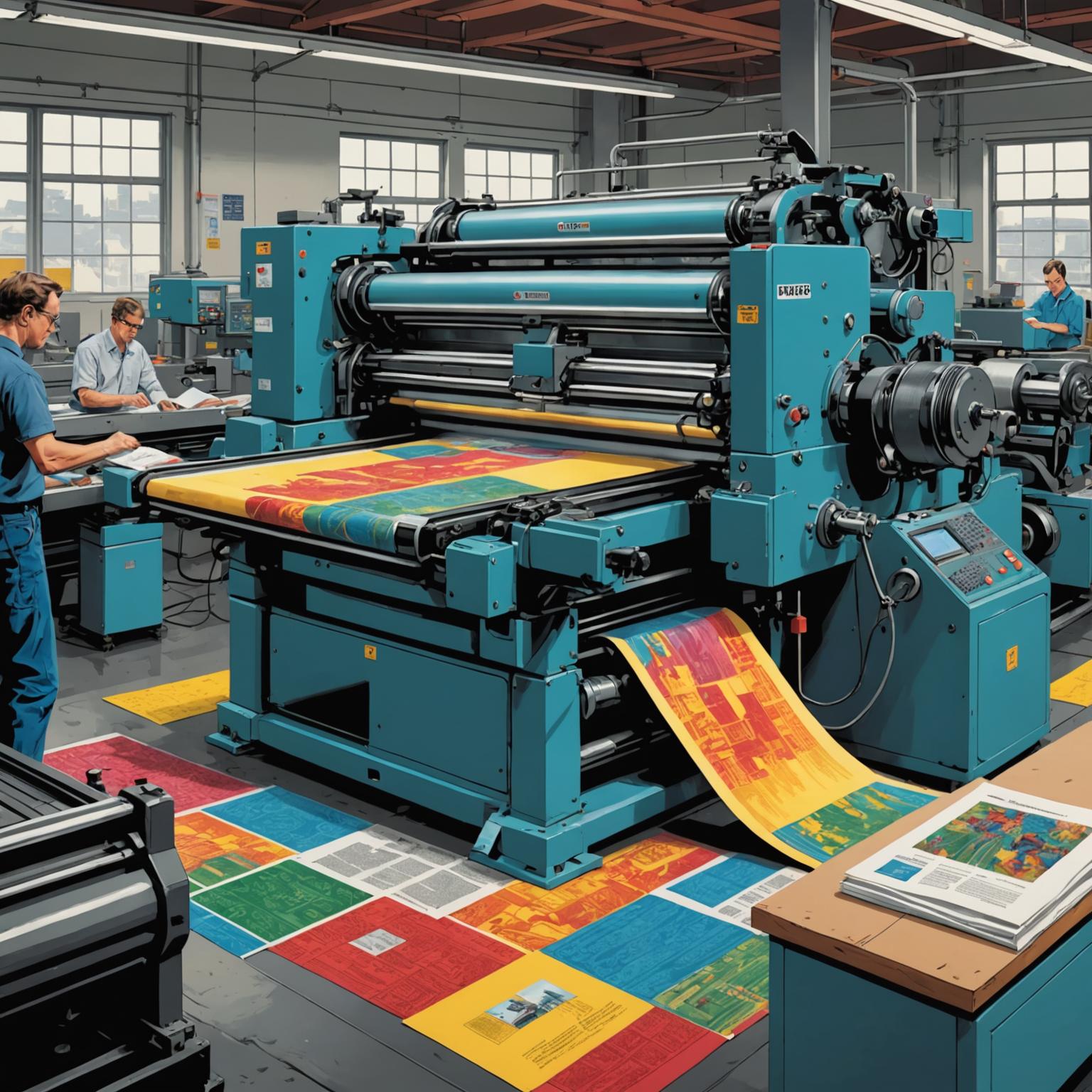
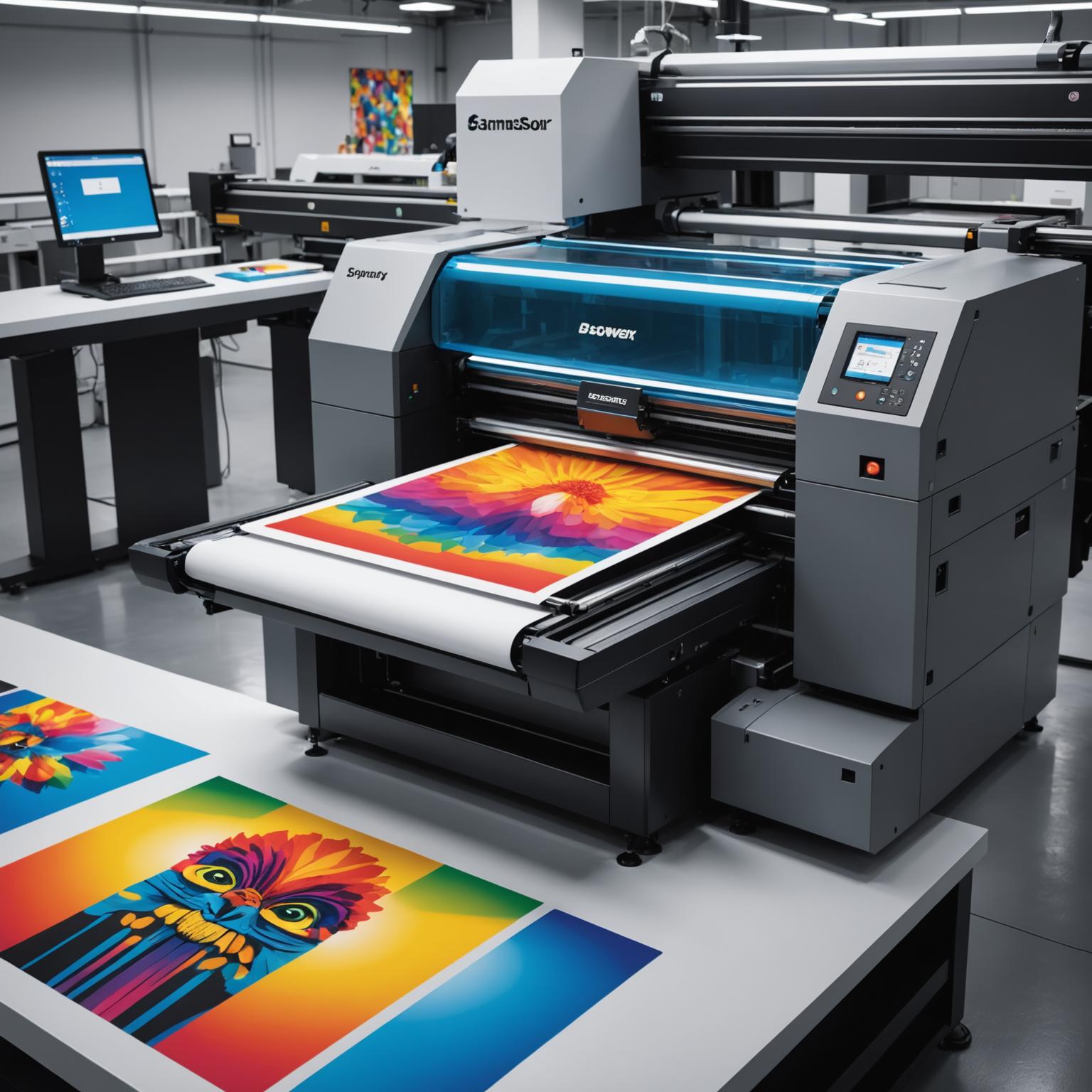
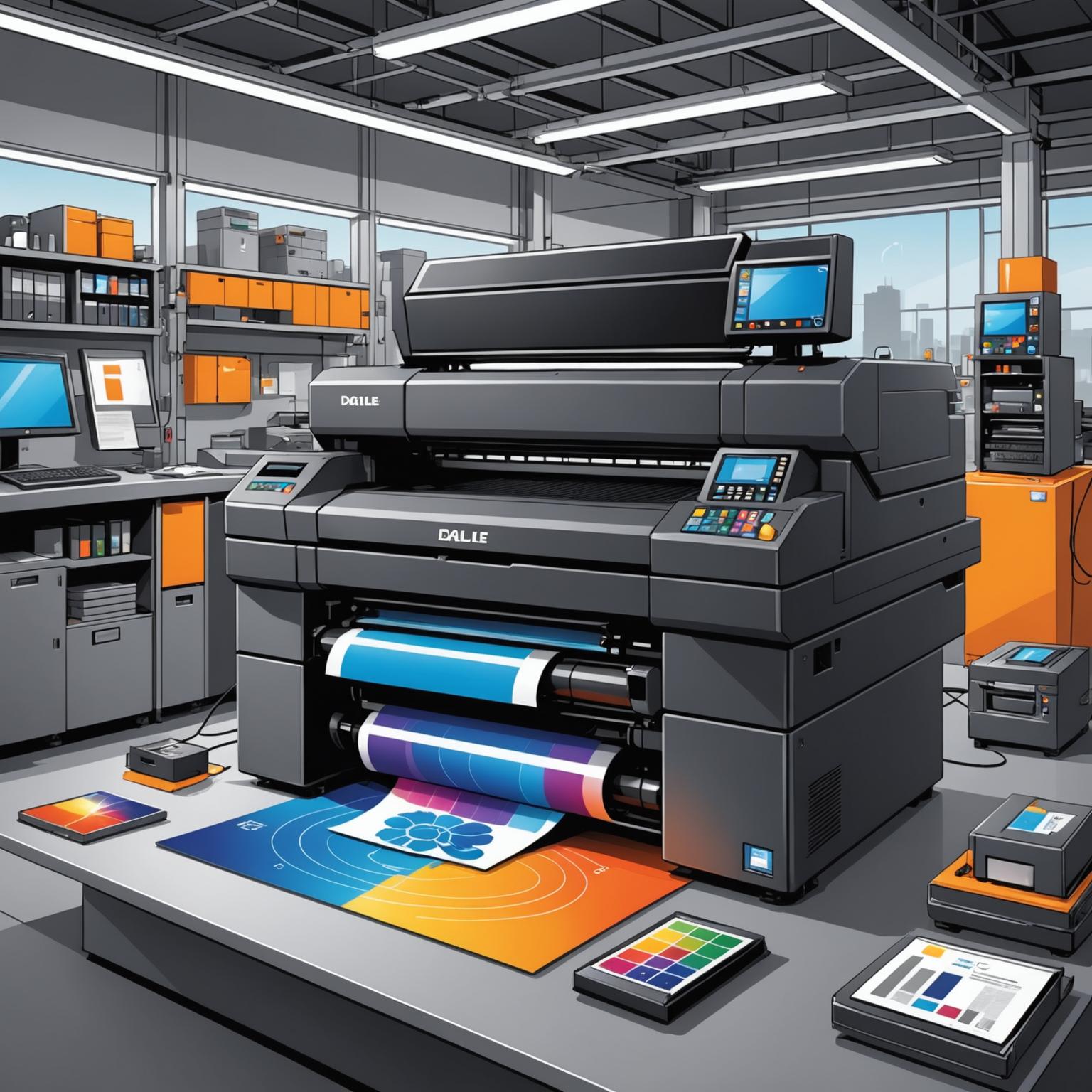
The final stage of any print job, known as the Post-press phase, is where a project truly comes to life, transforming printed sheets into a finished, functional product. This critical process includes cutting, folding, binding, and assembly, and its success often hinges on the quality of the materials used. Among the most vital of these materials is the adhesive glue, an unsung hero that ensures the structural integrity and longevity of everything from luxury packaging to simple flyers. The right adhesive provides a bond that is both strong and invisible, contributing significantly to the final product's professional appearance and durability.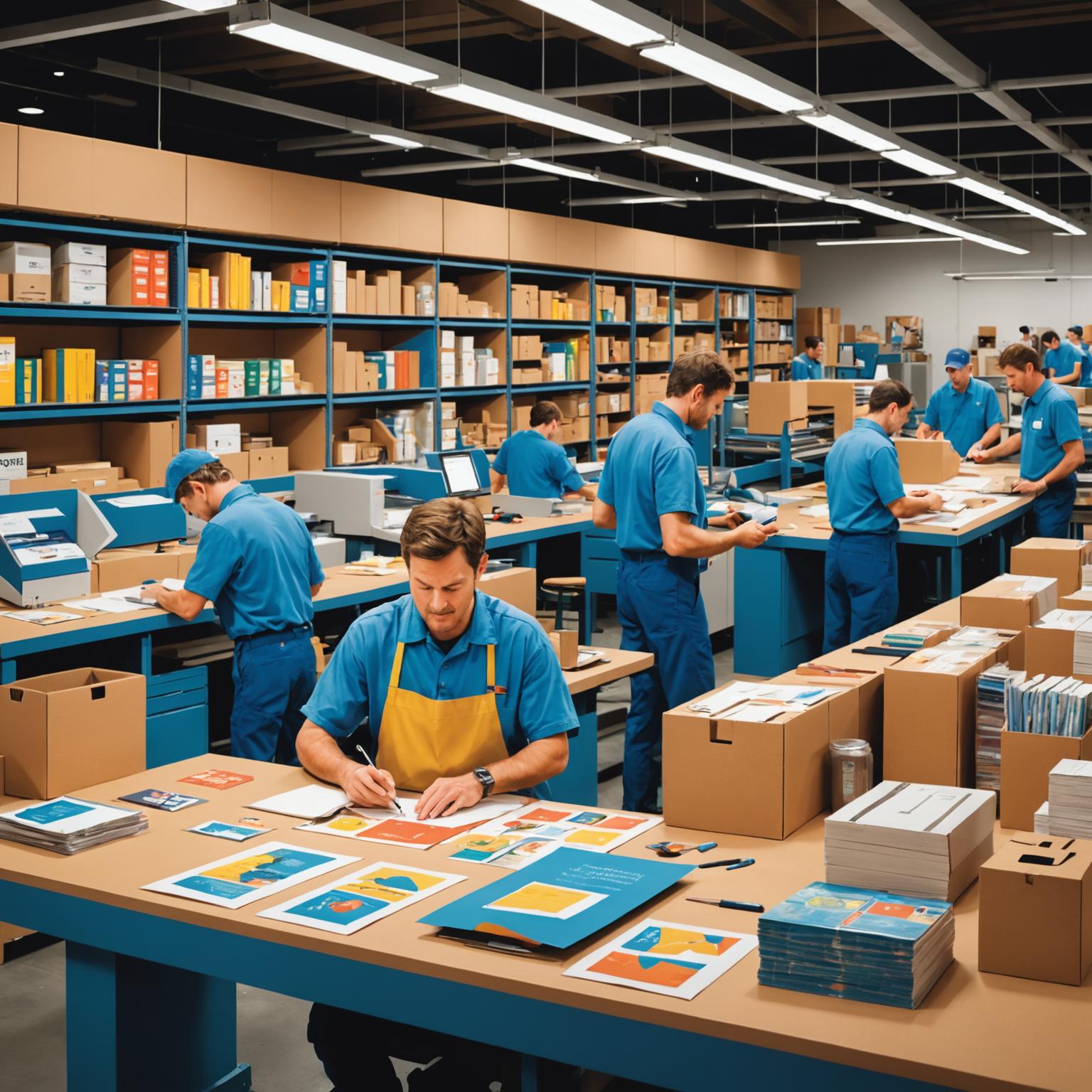
The Critical Role of Adhesive Glue in Post-Press Operations
In the world of post-press finishing, the choice of adhesive glue is paramount. It is not a one-size-fits-all component; different applications demand different formulations. For instance, bookbinding requires an adhesive that is flexible to allow pages to be turned without cracking the spine, while creating presentation folders may require a faster-setting glue for efficient assembly line production. The type of paper or substrate also plays a crucial role. Coated, glossy papers can be resistant to certain glues, requiring a specialized formula to achieve a permanent bond, whereas uncoated, porous papers might absorb glue too quickly if the wrong type is used. Therefore, understanding the properties of different adhesives—such as viscosity, open time (the time before it sets), and final bond strength—is essential for any print finisher aiming for high-quality, reliable results.
A Closer Look: Paper Bag Handle Adhesive
A perfect example of a specialized application is the Paper bag handle adhesive. The handle is arguably the most critical stress point of any paper bag. A failure here renders the bag useless and reflects poorly on the brand it represents. Consequently, the adhesive used to attach these handles must meet stringent requirements. It needs to have exceptional initial tack to hold the handle in place during automated production and cure to an incredibly strong, resilient bond capable of supporting the bag's intended weight. Furthermore, a quality Paper bag handle adhesive must remain flexible enough to withstand the constant pulling and movement without becoming brittle and failing. This specialized glue is engineered for performance, ensuring that the final product is not only aesthetically pleasing but also reliable for the end-user.
Factors in Selecting the Perfect Post-Press Adhesive
Selecting the correct adhesive involves a careful evaluation of several factors to prevent product failure. The primary consideration is the substrate—what materials are being joined? Paper, cardboard, plastic films, and foils all have different surface energies and will interact with glues differently. Secondly, the application method is key. A high-speed jetting system in an automated factory requires a glue with a different viscosity and set time than one applied by a roller or by hand. Finally, the end-use environment must be considered. Will the product be exposed to moisture, extreme temperatures, or direct sunlight? Answering these questions guides the selection of the perfect adhesive, whether it's a general-purpose product or a highly specialized formula like a Paper bag handle adhesive. This careful selection process is a hallmark of quality in the Post-press industry, guaranteeing a product that performs as well as it looks.