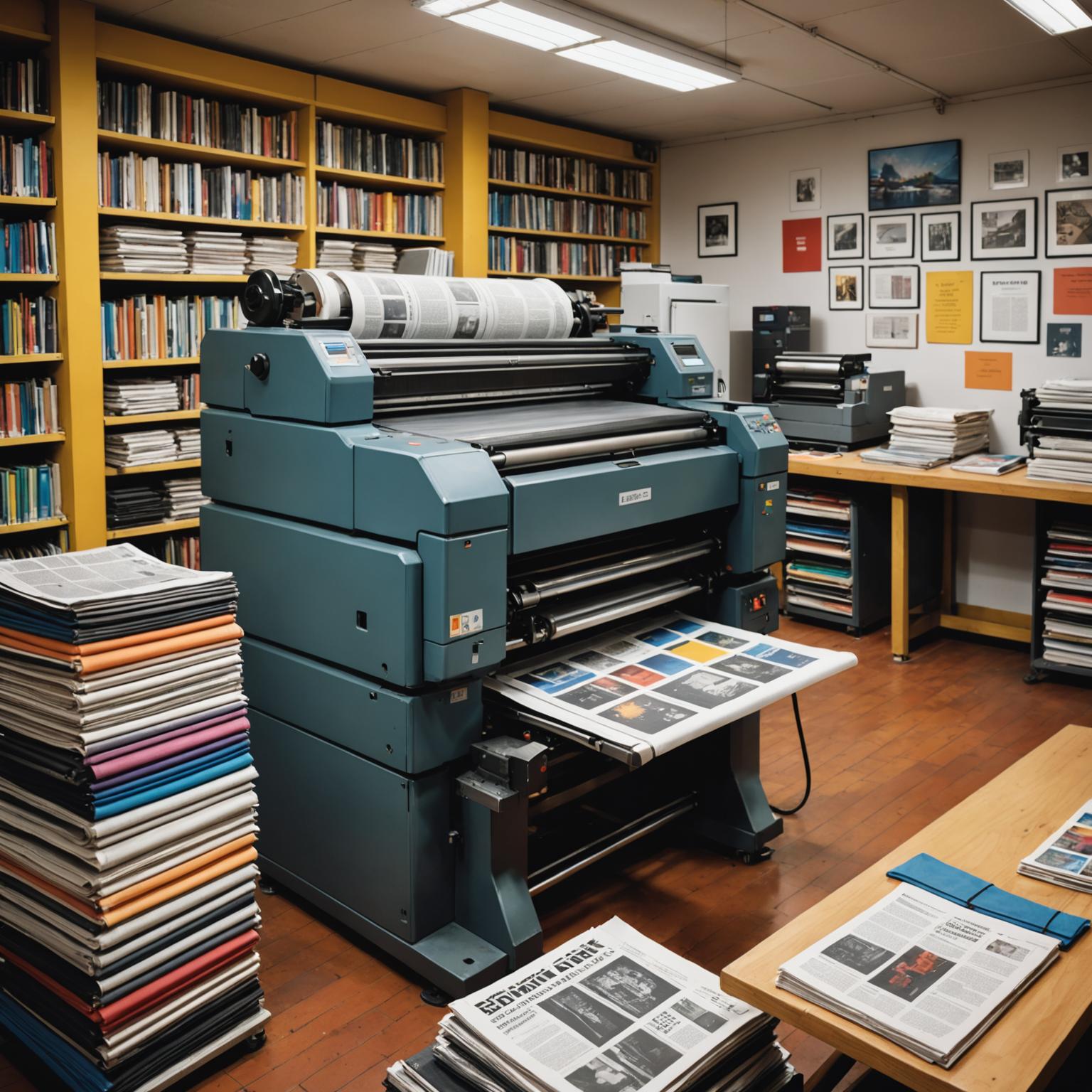
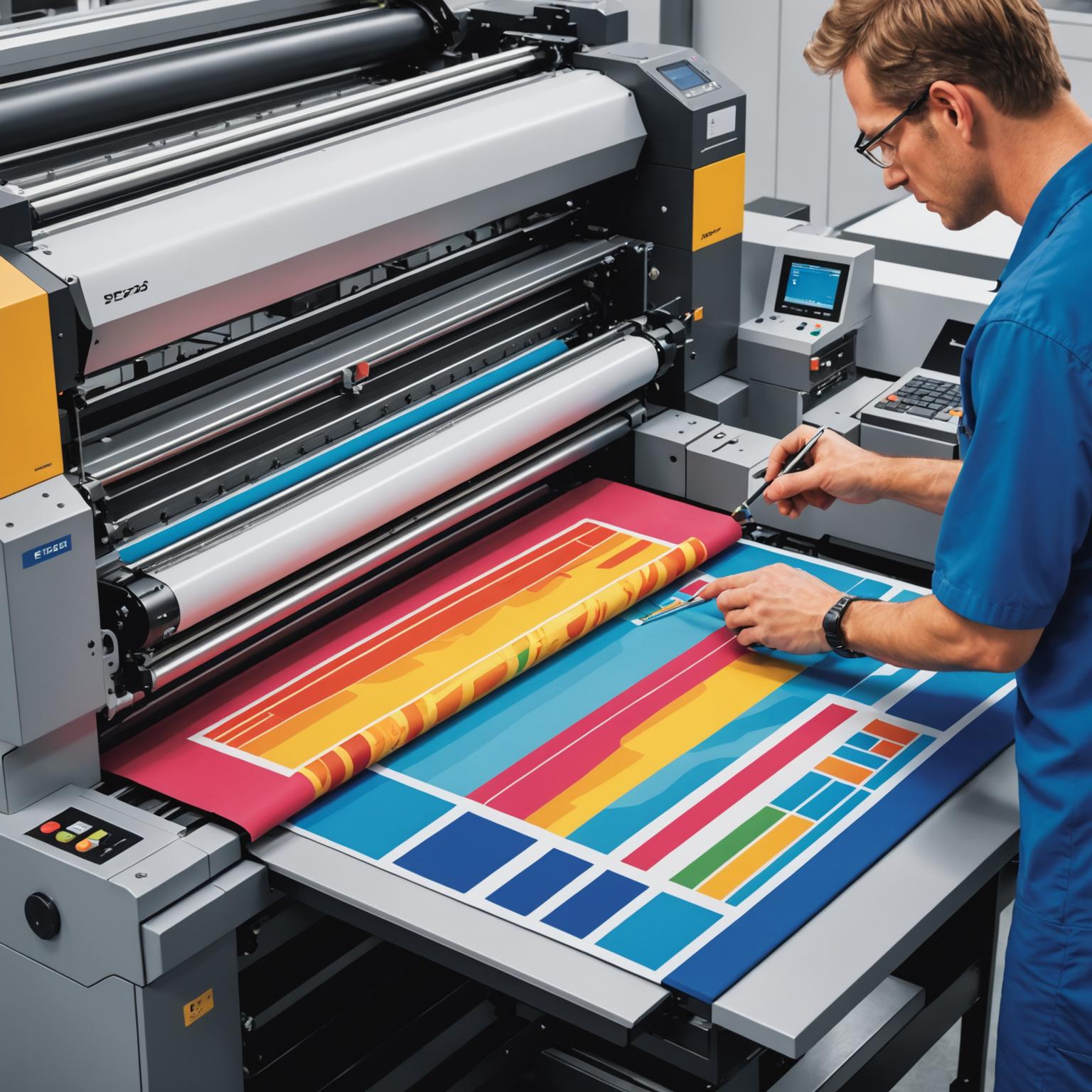
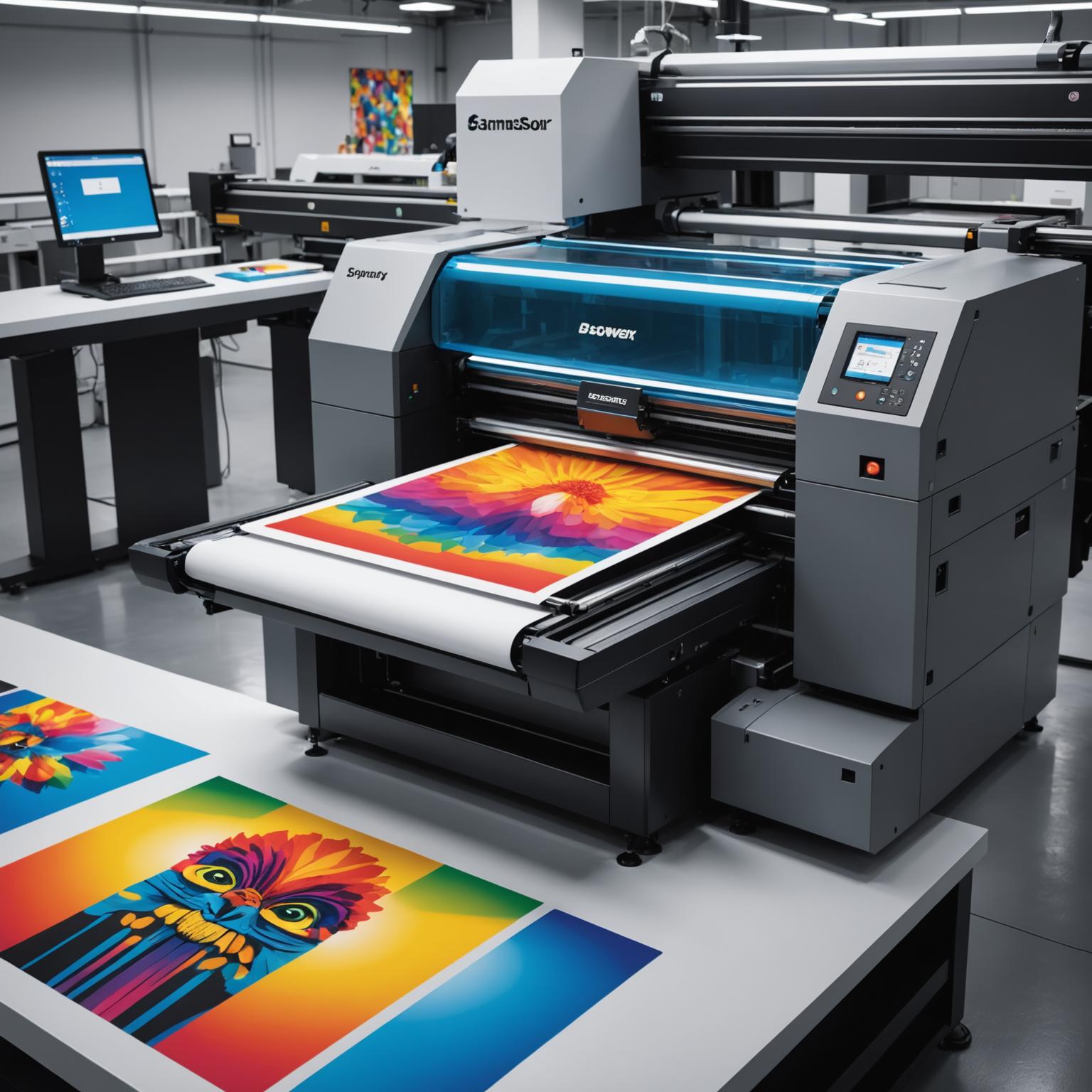
Self-adhesive paper has become an indispensable material in modern commerce, revolutionizing how products are labeled, branded, and identified. This versatile material, consisting of a face stock, an adhesive layer, and a release liner, offers an efficient and cost-effective solution for countless industries. From the intricate details on a premium bottle to the branding on high-end consumer goods, its applications are vast and varied, touching everything from the elegant wine label to the durable leather label.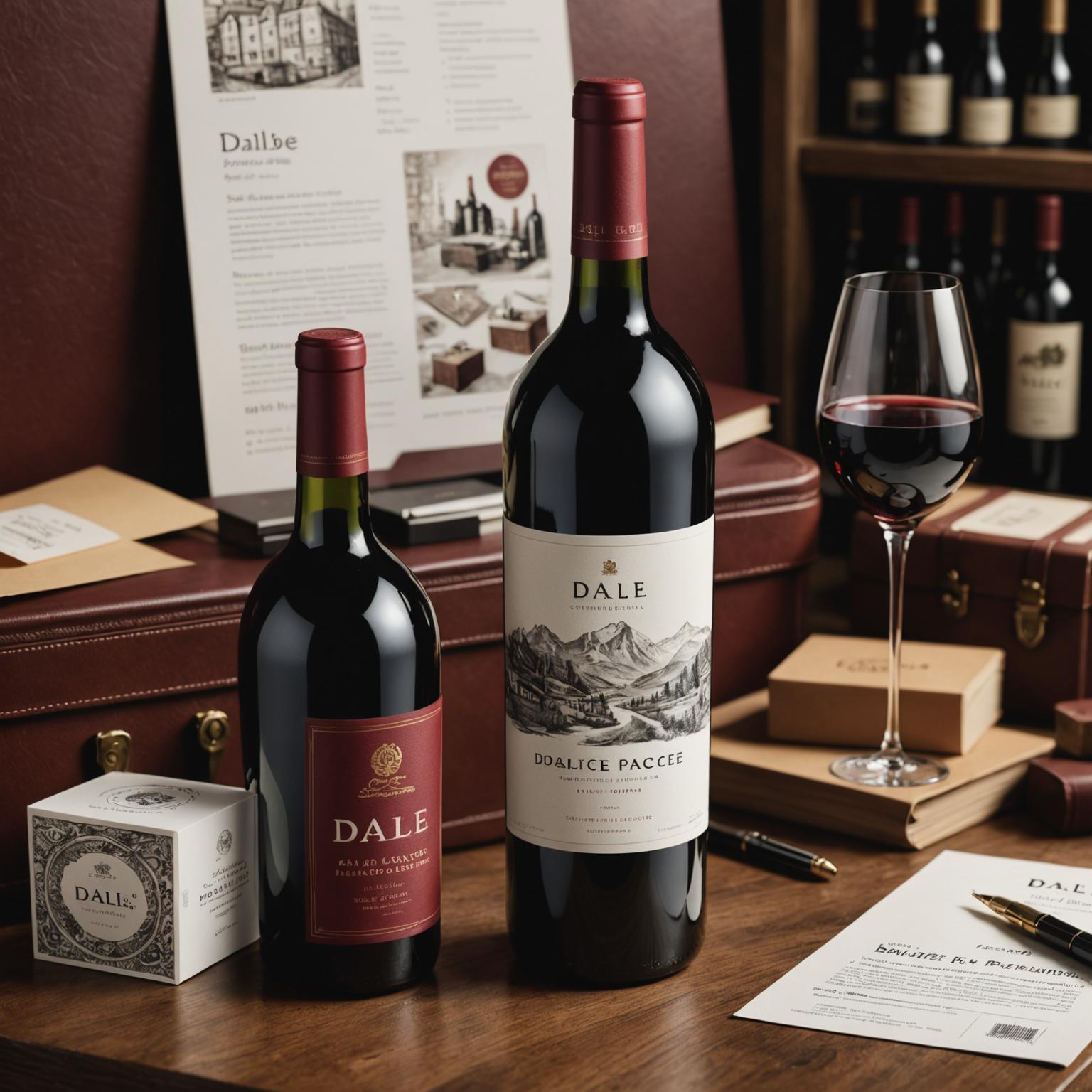
Understanding the Composition of Self-Adhesive Paper
The magic of self-adhesive paper lies in its multi-layered construction, which can be tailored to meet specific performance requirements. The top layer, known as the face stock, is the printable surface that carries the design and information. It can be made from a variety of materials, including uncoated or coated papers, synthetic films, or even textured and metallic stocks for a premium feel. Beneath this is the adhesive layer, the core of the technology. Adhesives can be permanent for a lasting bond, removable for temporary applications, or repositionable for precise placement. The final component is the release liner, typically a silicone-coated paper or film that protects the adhesive until it's ready for application. This sophisticated yet simple structure is what makes the material so adaptable and easy to use.
The Art of the Wine Label: A Prime Application
One of the most demanding and aesthetically driven applications for adhesive paper is the wine label. A wine label must do more than just provide information; it must convey brand identity, quality, and heritage while withstanding challenging conditions. Labels on wine bottles need to resist moisture from ice buckets, condensation from refrigeration, and scuffing during transport. To meet these needs, manufacturers use specialized self-adhesive paper with high-performance adhesives and durable face stocks, such as textured papers that add a tactile, luxurious feel. The right choice of material ensures the wine label remains pristine from the winery to the consumer's table, playing a crucial role in attracting customers and reflecting the quality of the product within.
Branding and Durability: The Leather Label
Another specialized and challenging application is the leather label, commonly found on high-end fashion items like handbags, belts, and jackets. Attaching a label to leather presents unique difficulties due to the material's textured, flexible, and often treated surface. A standard paper label would fail to adhere properly or would lack the durability to match the product's lifespan. Therefore, a leather label often requires a strong, specialized adhesive that can form a permanent bond without damaging the underlying material. The face stock for such a label is also critical, often being a synthetic or fabric-like material that offers enhanced durability and a premium aesthetic that complements the leather good it is branding. This ensures the brand mark remains intact and looking its best for the life of the product.
Advantages and Future Trends in Adhesive Technology
The widespread adoption of adhesive labels is due to their significant advantages, including high-speed application, design flexibility, and overall efficiency compared to traditional wet-glue methods. Looking ahead, the industry is increasingly focused on sustainability. Innovations include face stocks made from recycled content or rapidly renewable resources like bamboo and sugarcane. Furthermore, advancements in adhesive chemistry are leading to compostable and biodegradable options, reducing the environmental footprint of packaging. As consumer and regulatory demands for eco-friendly solutions grow, the evolution of sustainable self-adhesive paper will continue to shape the future of labeling across all sectors.