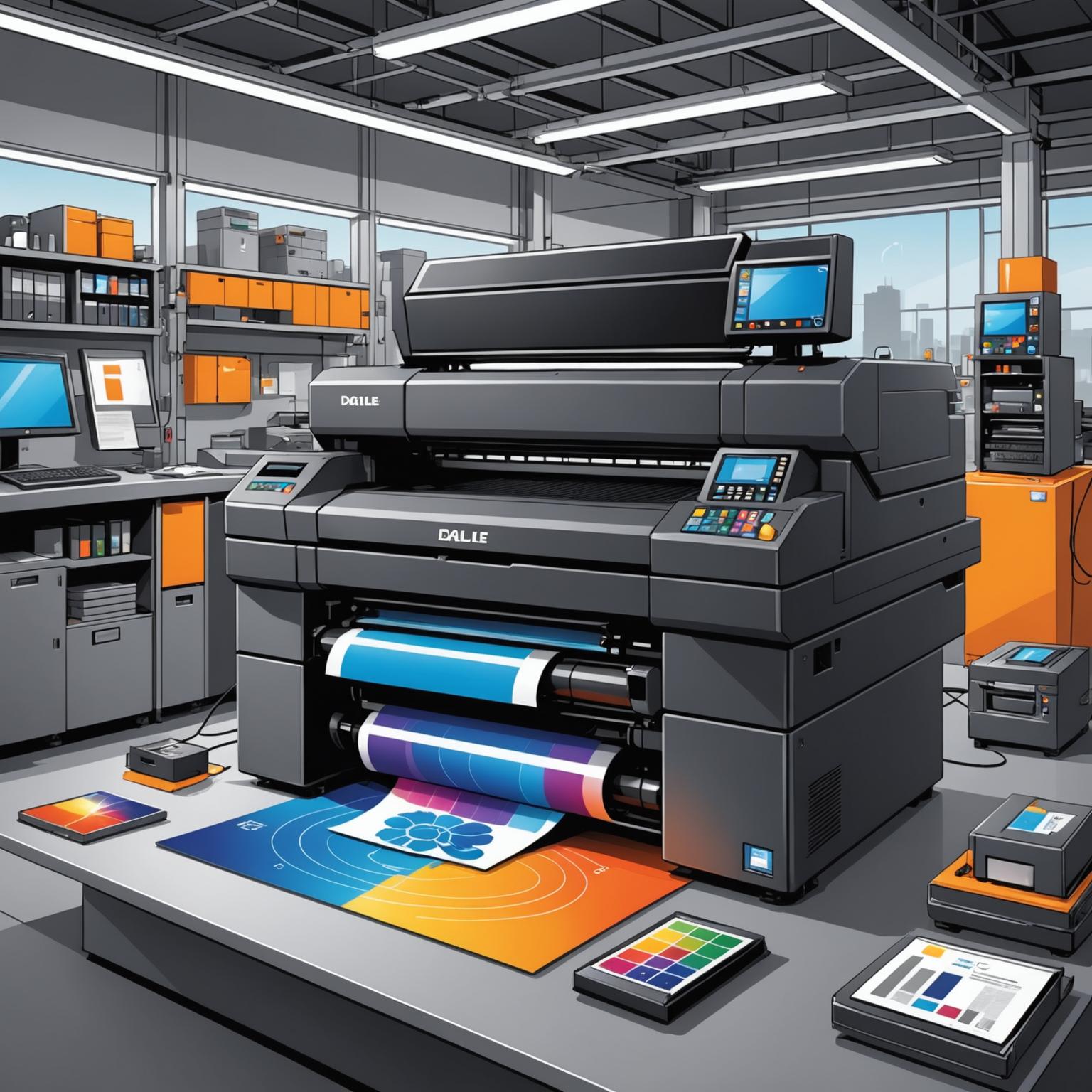
The Unsung Hero of Print: The Offset Printing Plate
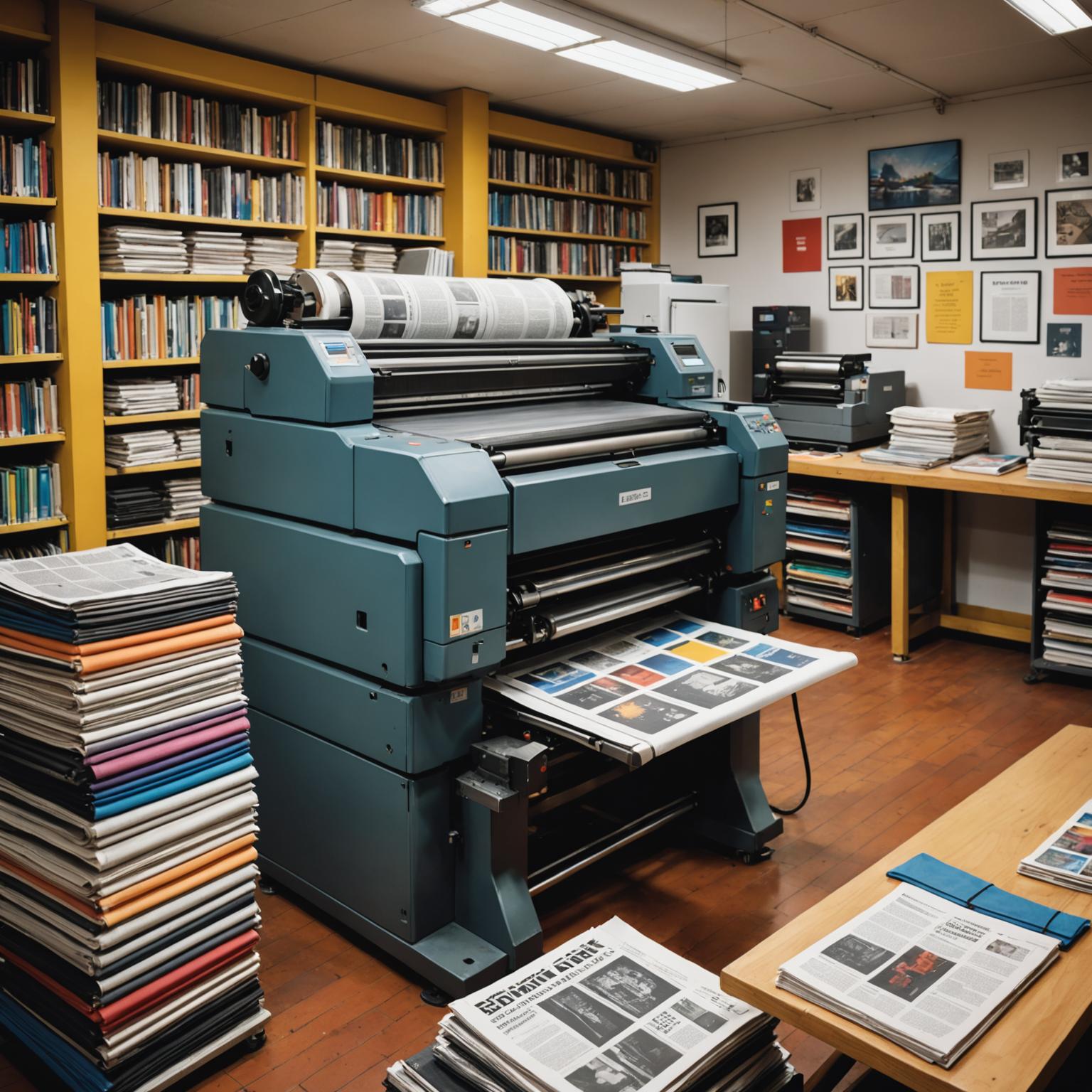
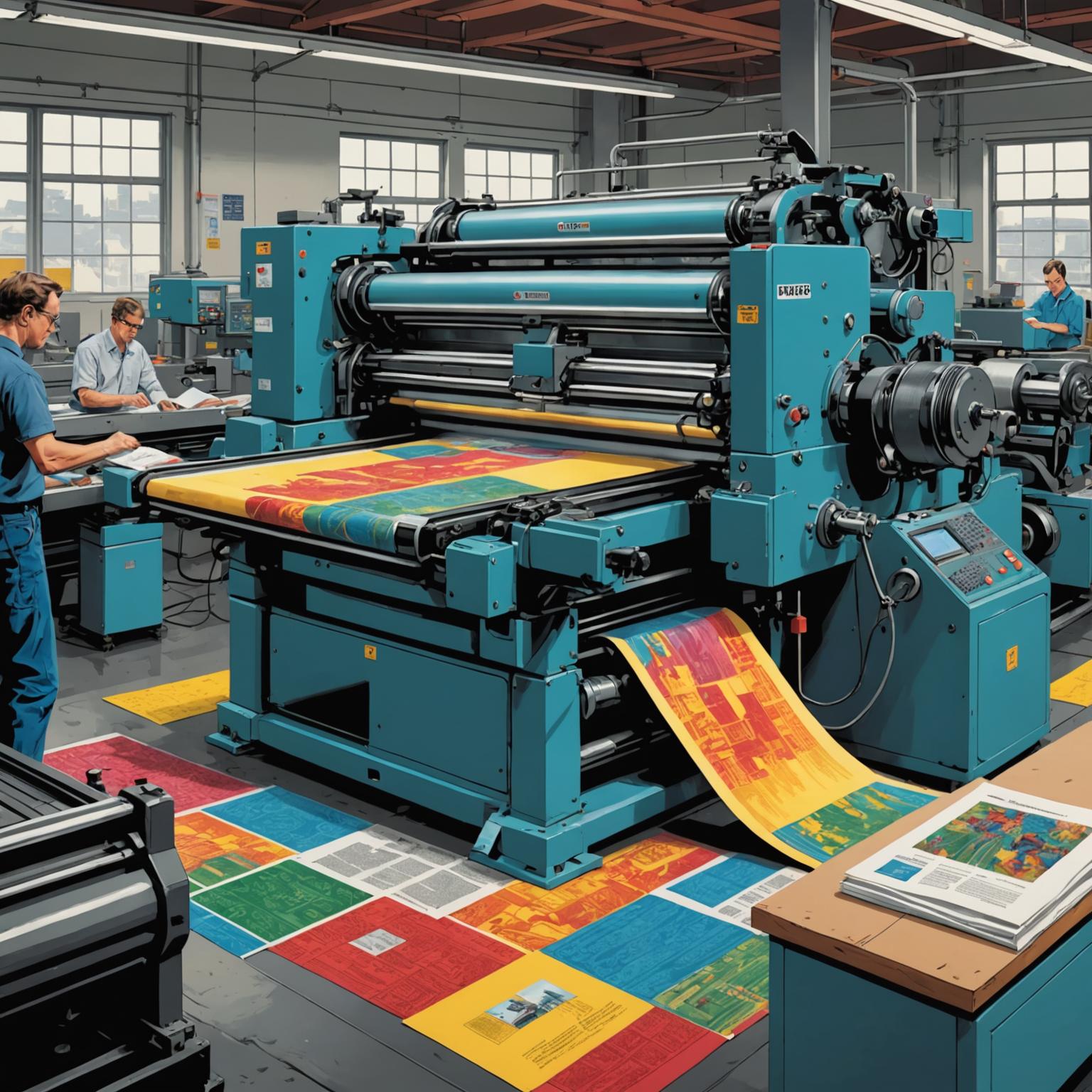
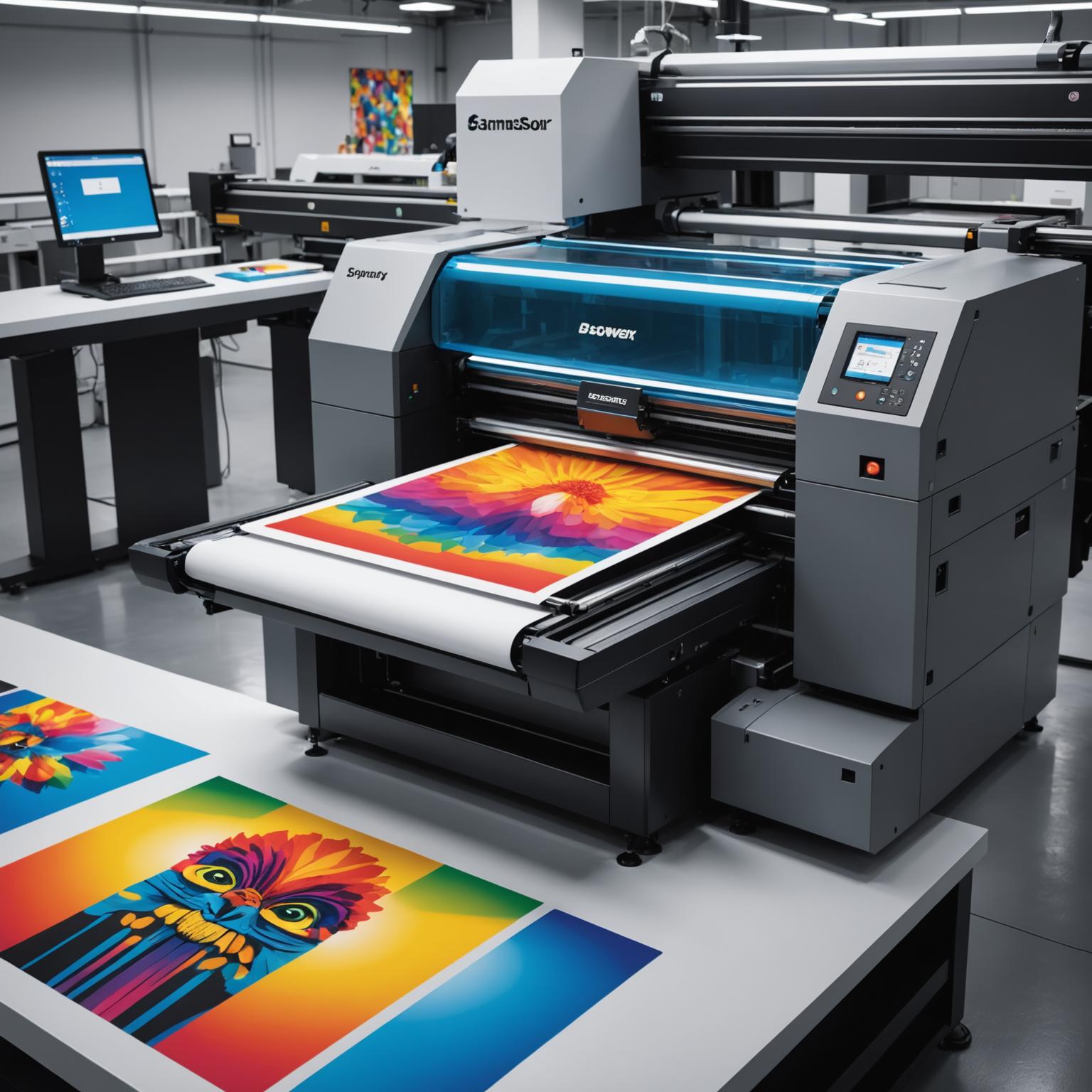
Walk through any newsstand and your eyes are immediately drawn to the glossy, vibrant covers calling out for your attention. The crisp text, the vivid imagery, the flawless finish—these elements combine to create a powerful first impression. But behind every stunning magazine cover lies a meticulous process, and at its very heart is a component of remarkable precision: the offset printing plate. This humble yet essential tool is the foundation upon which high-volume, high-quality printing is built, translating a digital design into a tangible, beautiful reality that you can hold in your hands. Without the accuracy and reliability of this plate, the mass production of such detailed printed materials would be impossible.
Crafting Perfection: How Plates Create the Image
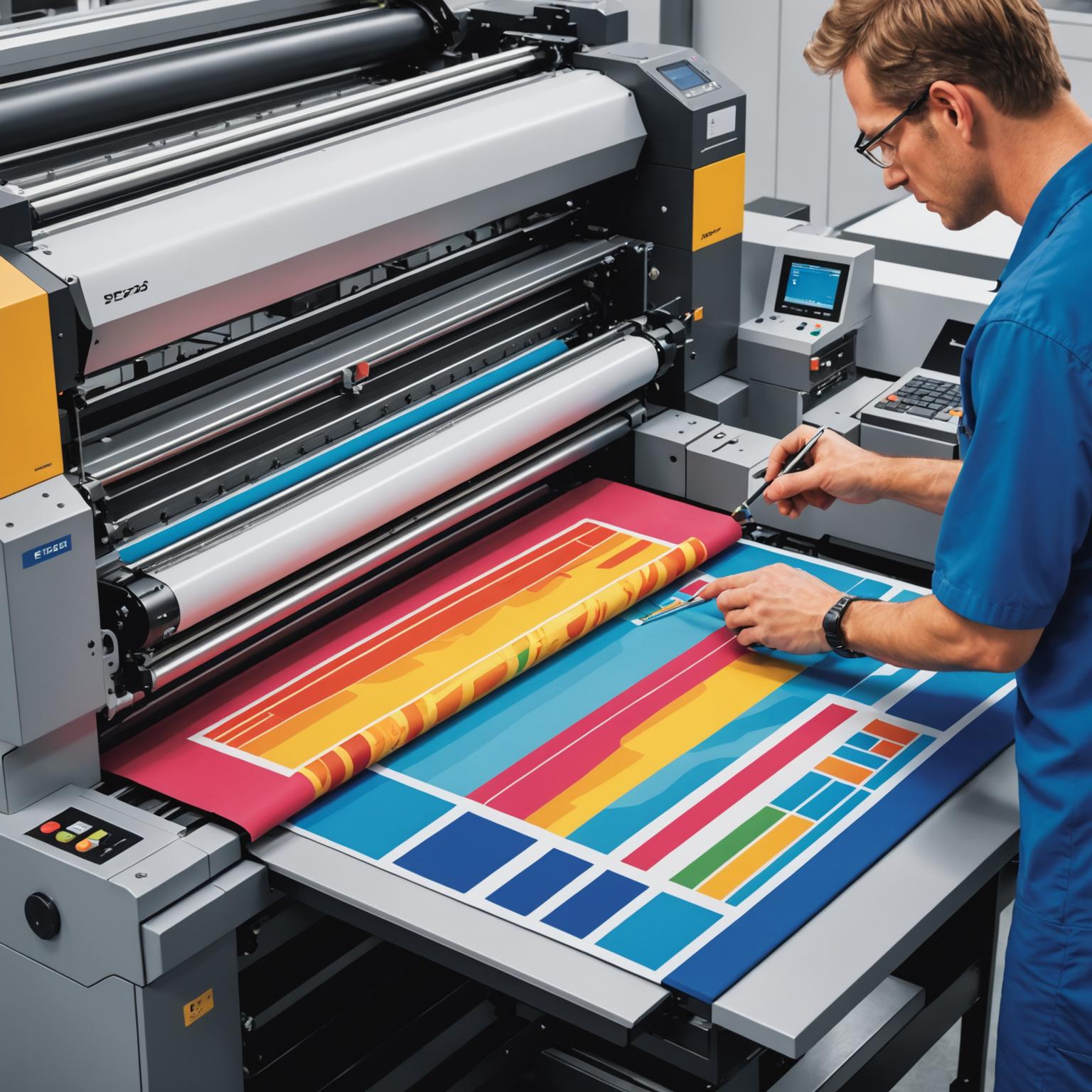
An offset printing plate is typically a thin, flexible sheet of aluminum, which has been specially treated to have a photosensitive coating. The journey from a digital file to a printed page begins when this plate is exposed to a high-intensity laser that etches the desired image onto its surface. This process creates a distinction on the plate's surface: image areas that are oleophilic (ink-receptive) and non-image areas that are hydrophilic (water-receptive). When mounted onto a cylinder in the printing press, the plate is first dampened with water, which adheres only to the non-image areas. It is then rolled with ink, which is repelled by the water and sticks only to the image areas. This inked image is not transferred directly to the paper. Instead, it is “offset” onto a rubber blanket cylinder, which then presses the final image onto the paper. This indirect transfer is what gives offset printing its name and its renowned ability to produce consistently sharp and clean images, making it the perfect method for a visually demanding project like a magazine cover.
A Greener Impression: The Lifecycle of Recyclable Plates
In an era of increasing environmental awareness, the printing industry has made significant strides toward sustainability, and a key part of this evolution involves recyclable offset printing plates. The vast majority of modern plates are made from high-grade aluminum, one of the most recycled and recyclable materials on the planet. Once a print job is complete, these plates are not simply discarded. They enter a circular economy where they are collected, and the ink and chemical residues are carefully removed. The clean aluminum is then melted down and repurposed, often to create new printing plates or a host of other aluminum products. This process dramatically reduces landfill waste, conserves the energy and natural resources required to produce virgin aluminum, and lowers the overall carbon footprint of the printing process. Choosing recyclable offset printing plates allows publishers and businesses to produce beautiful materials without compromising their commitment to environmental responsibility.
The Final Image: Quality Meets Sustainability
The next time you admire the intricate details of a publication, take a moment to appreciate the technology behind it. The humble offset printing plate is a marvel of engineering, responsible for the sharp lines and rich colors that define high-quality print. From the demanding standards of a glossy magazine cover to large-scale commercial runs, its role is indispensable. Furthermore, the industry's widespread adoption of recyclable offset printing plates proves that exceptional quality and ecological consciousness can go hand in hand, creating a final product that is not only visually impressive but also responsibly made.