The Foundation of Modern Labeling
In the competitive world of product packaging, the right label can make all the difference. High-quality film self-adhesive paper provides a durable, attractive, and highly functional solution for brands across countless sectors. Unlike traditional paper labels which are susceptible to moisture, tearing, and fading, film-based labels are engineered for resilience. This makes them an indispensable tool for products that require a label to maintain its integrity and appearance throughout its entire lifecycle, a critical factor in demanding environments like the food industry.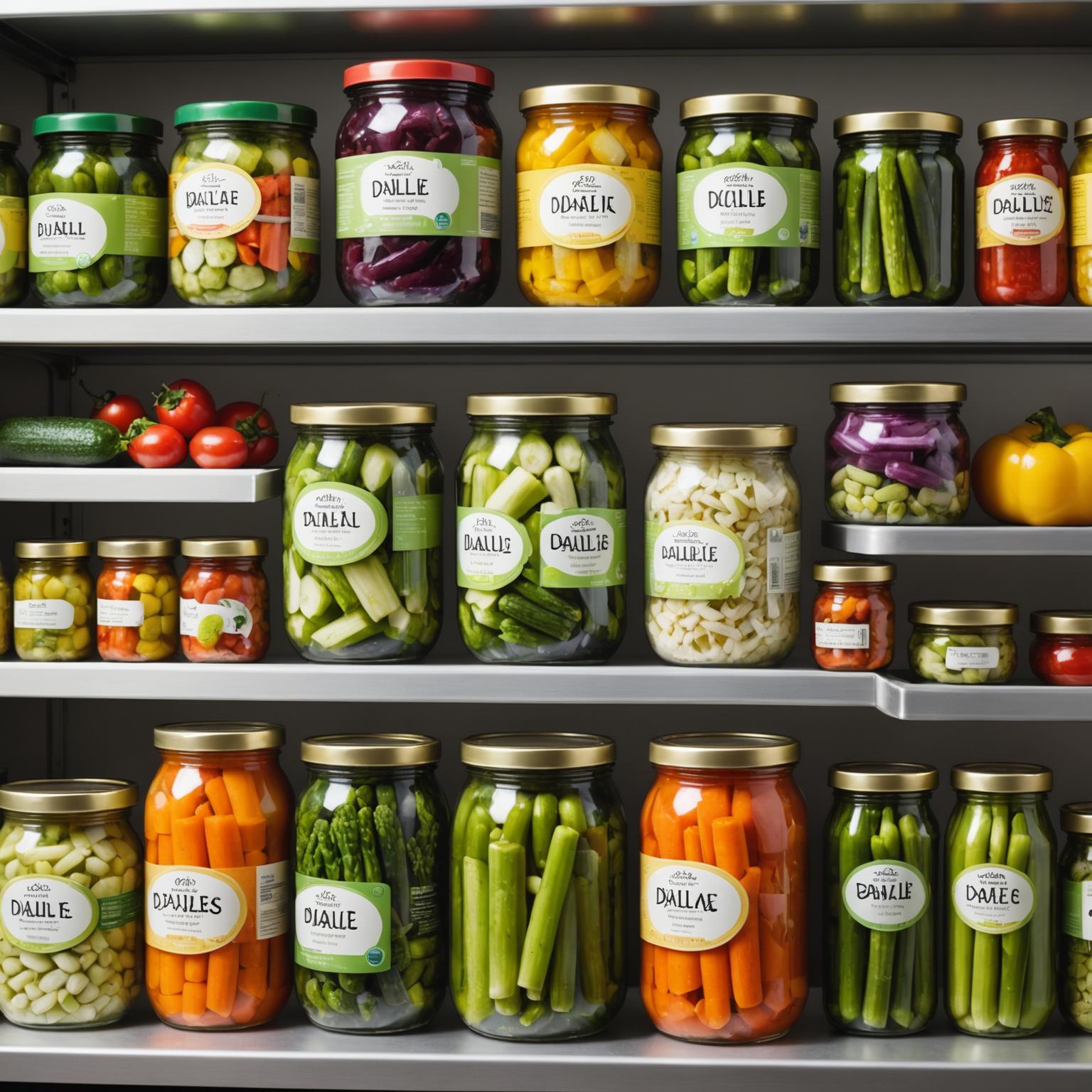
Why PP is a Premier Choice for Film Labels
When discussing film labels, one of the most prominent materials is Polypropylene, commonly known as PP. This thermoplastic polymer is celebrated for its exceptional balance of properties, making it a superior choice for self-adhesive applications. PP is inherently resistant to water, oils, and a wide range of chemicals, which prevents the label from deteriorating, smudging, or peeling when exposed to spills or condensation. Its remarkable durability also means it resists scuffing and tearing during transit and handling. Furthermore, PP film can be produced in various finishes, including clear, white, and metallized. The clear, 'no-label' look is particularly popular, as it allows the product itself to be the hero, with branding that appears to be printed directly onto the container, offering a sleek and premium aesthetic.
Essential Applications in the Food Industry
Nowhere are the benefits of film labels more critical than in the food industry. Food products are often subjected to a wide range of conditions, from refrigeration and freezing to moisture-rich environments. A standard paper label would quickly disintegrate under such circumstances, but a film self-adhesive paper label made from PP excels. It remains firmly adhered to packaging, whether it's a glass jar of pickles, a plastic container of salad, or a flexible pouch of frozen vegetables. The print remains crisp and legible, ensuring that vital information such as nutritional facts, ingredients, and expiration dates are always readable for the consumer. Adhesives used for these applications are also specially formulated to comply with stringent food safety regulations, ensuring they are safe for indirect or even direct contact with food products, providing peace of mind for both manufacturers and customers.
Beyond Durability: Aesthetic and Functional Advantages
The advantages of using film labels extend beyond their toughness. The surface of these films is typically treated to provide excellent ink anchorage, resulting in vibrant, high-resolution graphics that capture consumer attention on crowded retail shelves. This superior print quality allows for intricate designs and rich colors that enhance brand perception. The flexibility of materials like PP also means the labels conform perfectly to containers of all shapes and sizes, including squeezable bottles or irregularly shaped packaging, without wrinkling or lifting. This combination of durability, print-ability, and conformability ensures that the product looks its best from the production line to the consumer's home, reinforcing brand quality and trust at every step.