The Versatile World of Modern Labeling
Self-adhesive paper has become one of the most ubiquitous materials in commerce and industry, evolving far beyond simple stickers. This engineered material, consisting of a face stock, an adhesive layer, and a release liner, is the foundation for countless applications, from branding and logistics to advanced security solutions. Its versatility allows for customization in material, adhesive strength, and printability, making it the go-to choice for everything from food packaging to creating a sophisticated Anti-counterfeiting label, which is essential for protecting brands and consumers in today's global market.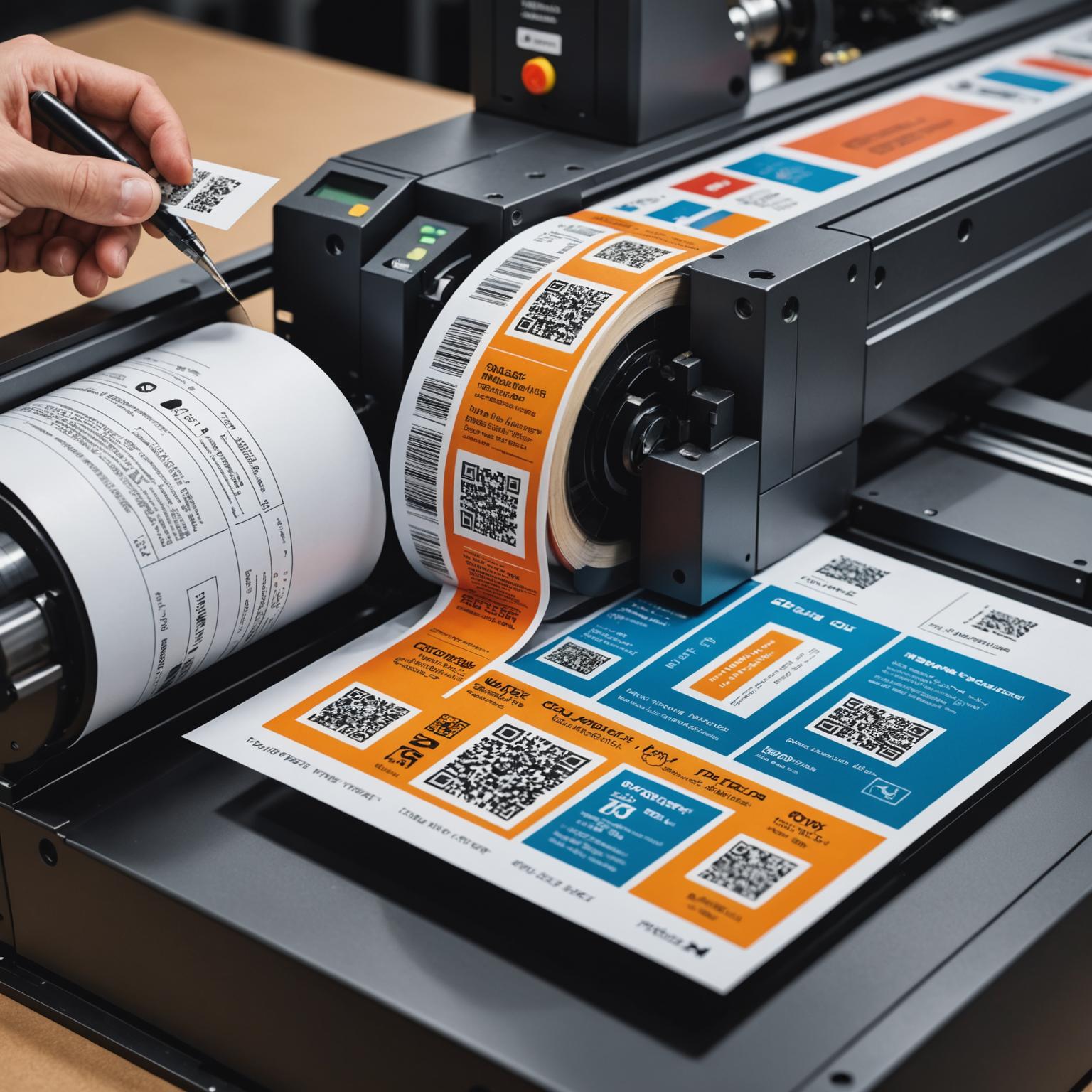
The Crucial Role of Self-Adhesive Paper in Anti-Counterfeiting
In the fight against product forgery and tampering, the choice of substrate is paramount. This is where specialized self-adhesive paper shines as the primary medium for an effective Anti-counterfeiting label. These are not ordinary labels; they are complex security devices. Manufacturers can embed a wide array of overt and covert features directly into the label's structure. This includes holographic foils that are difficult to replicate, tamper-evident face stocks that fragment upon attempted removal, and void materials that leave behind a permanent message like "VOID" or a checkerboard pattern. Furthermore, security inks, microtext, and unique QR codes can be printed onto the surface, providing multiple layers of protection. The adhesive itself can be formulated for specific applications, ensuring the label adheres permanently to surfaces like glass, plastic, or cardboard, making any attempt at removal immediately obvious and securing the integrity of the product.
Printing Perfection: The Connection to the Anilox Roller
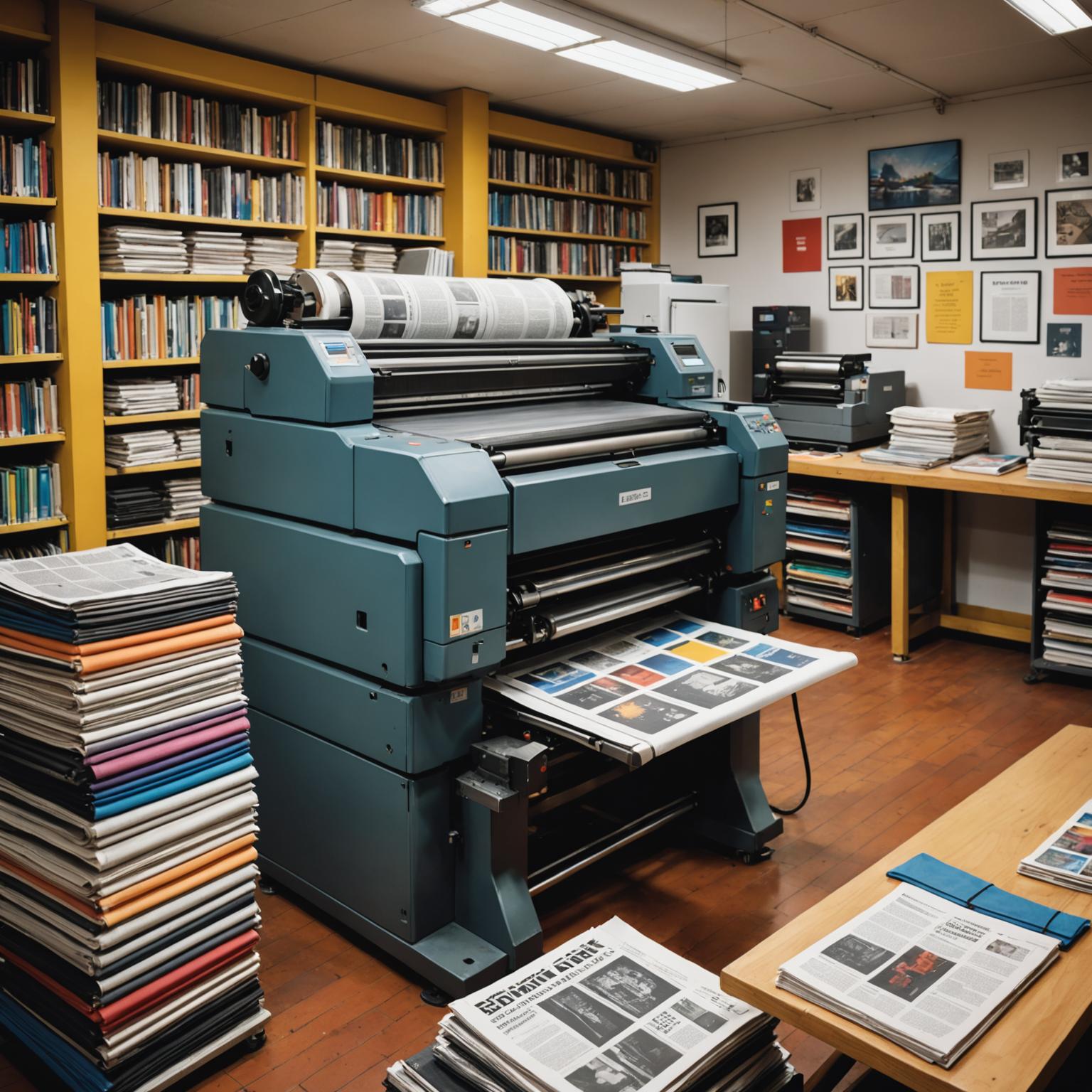
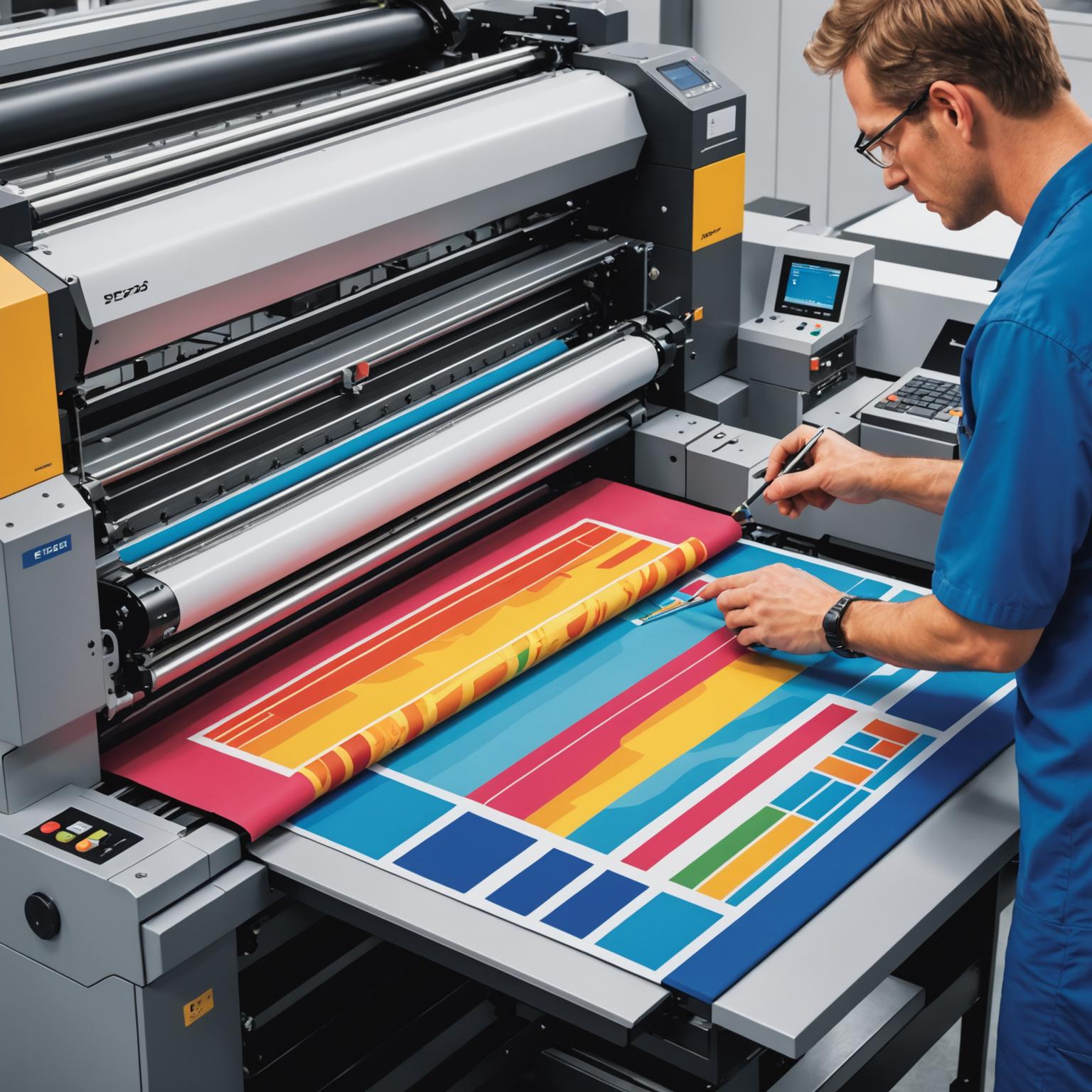
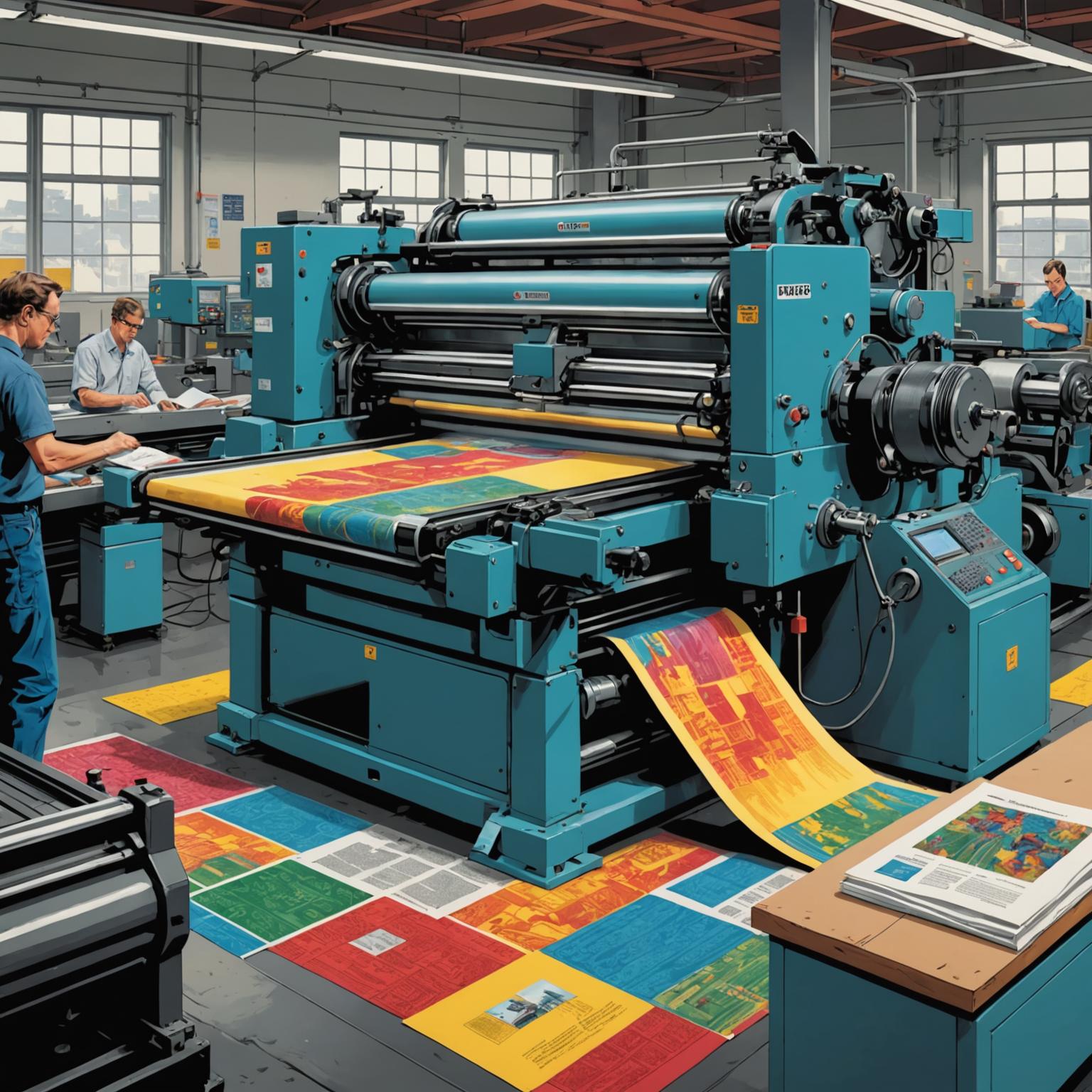
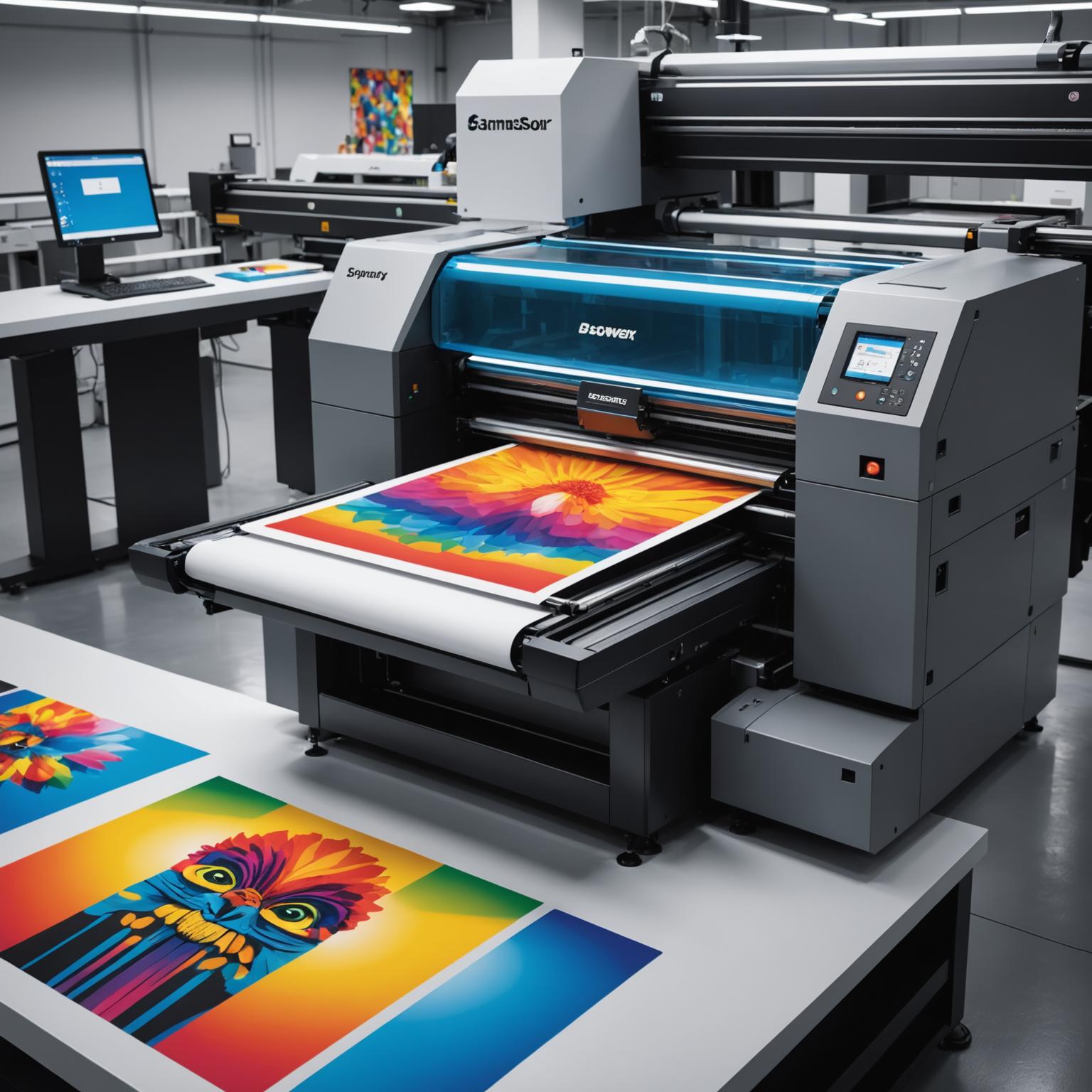
Creating a high-quality label, especially one with intricate security features, requires a precise and reliable printing process. In flexographic printing, which is widely used for label production, the anilox roller is a critical component that dictates the final print quality. This precision-engraved cylinder is responsible for transferring a specific, consistent amount of ink from an ink pan to the flexible printing plate. The surface of the anilox roller is covered with thousands of microscopic cells, and the size and density of these cells determine the volume of ink delivered. For the fine details required in an Anti-counterfeiting label, such as microprinting or sharp barcode edges, a high-line screen anilox roller with smaller cells is necessary. The interaction between the ink, the roller, and the surface of the self-adhesive paper is a delicate science; an incorrect roller specification can lead to blurry images, inconsistent color, and failed security features, rendering the label ineffective.
Bringing It All Together: From Raw Material to Secure Label
The journey from raw material to a finished, secure product label is a testament to the synergy between materials and machinery. It begins with the careful selection of the right self-adhesive paper, considering the product's lifecycle, environmental exposure, and security requirements. Once the design is finalized, the production process relies heavily on the precision of the printing press. Here, the anilox roller acts as the heart of the inking system, ensuring that every detail of the design is flawlessly transferred onto the label stock. This synergy is what allows a simple concept to become a robust security feature. Industries such as pharmaceuticals, electronics, luxury goods, and spirits depend on this integrated system to protect their products, ensure consumer safety, and maintain brand value in a competitive marketplace where counterfeiting poses a significant threat.