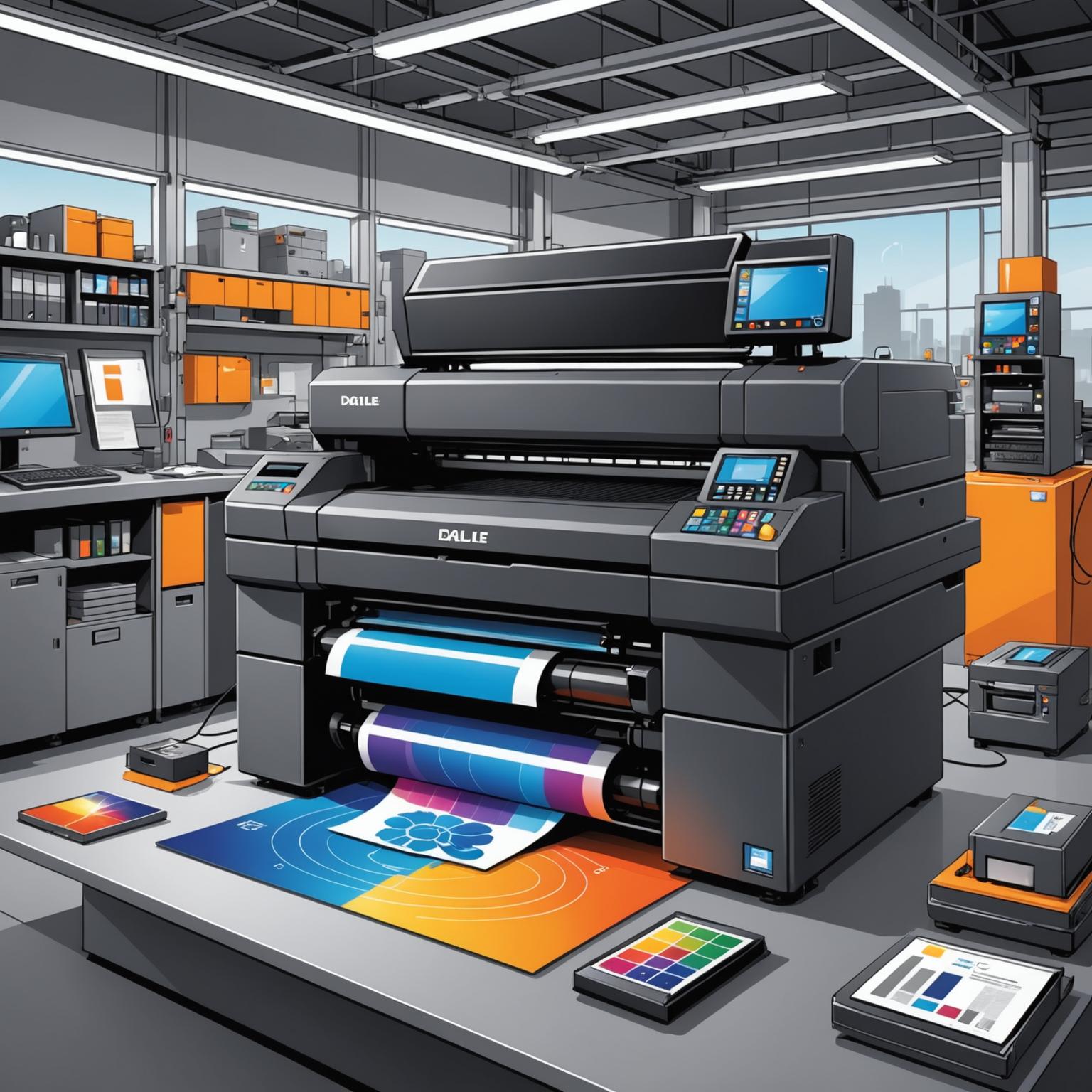
The Enduring Art of High-Quality Printing
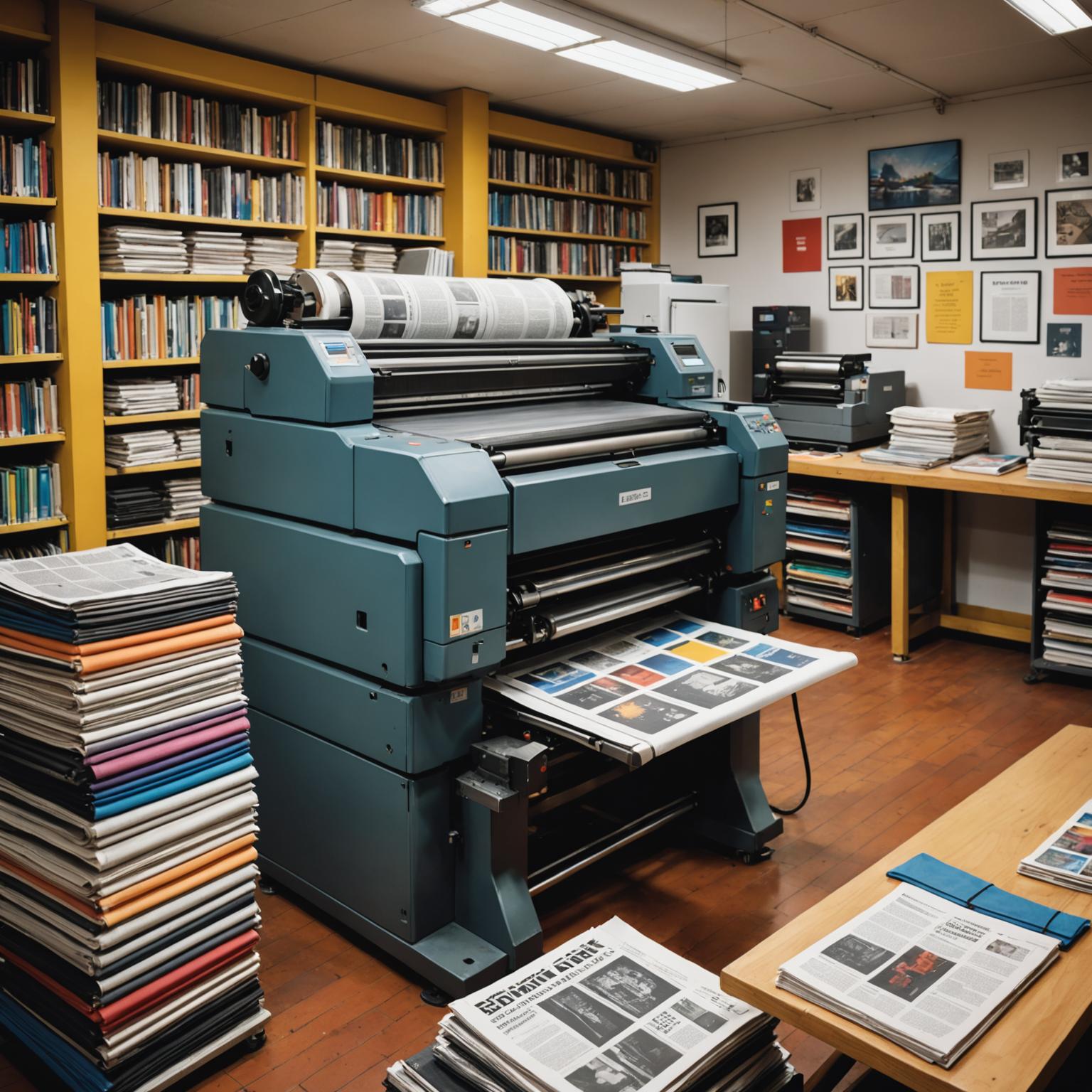
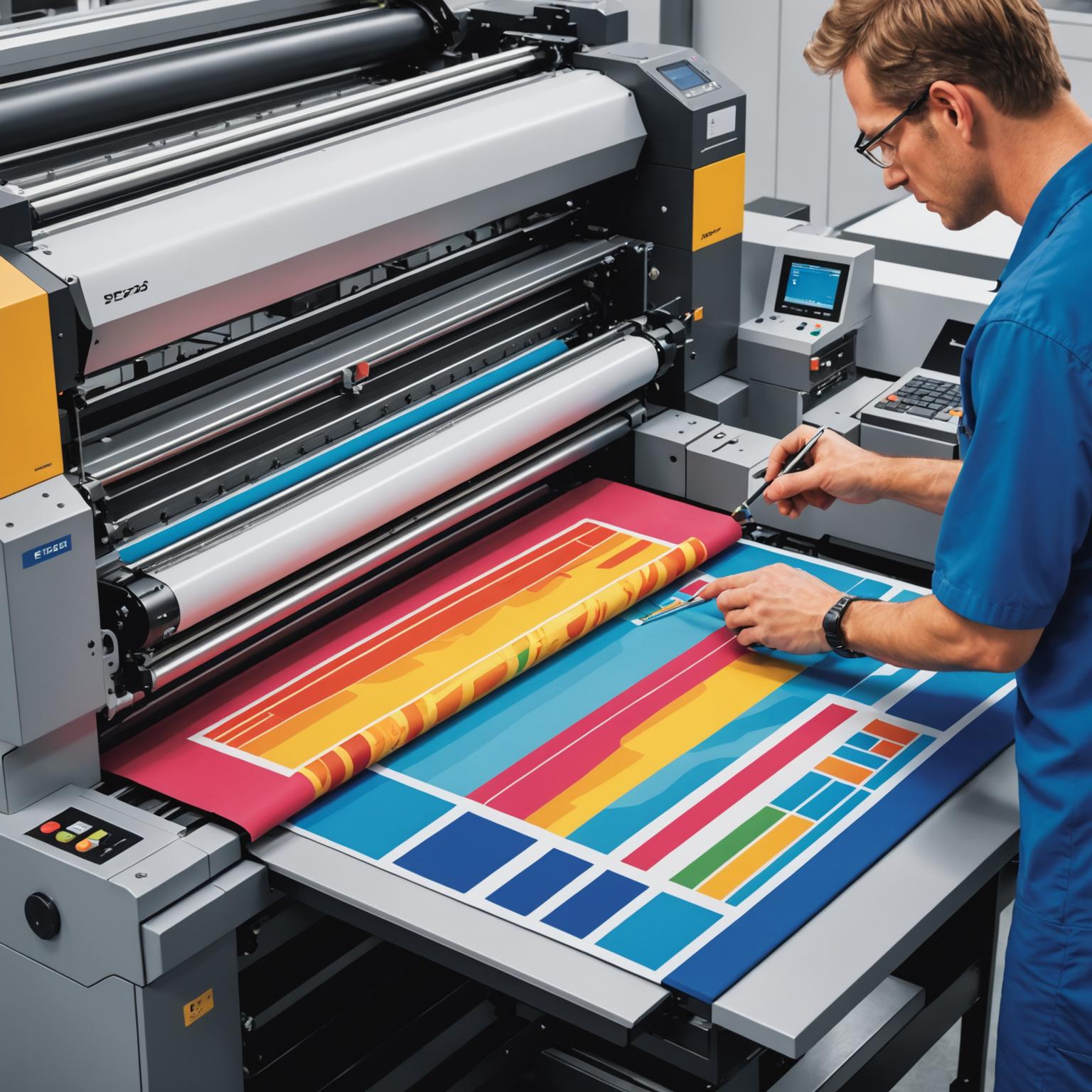
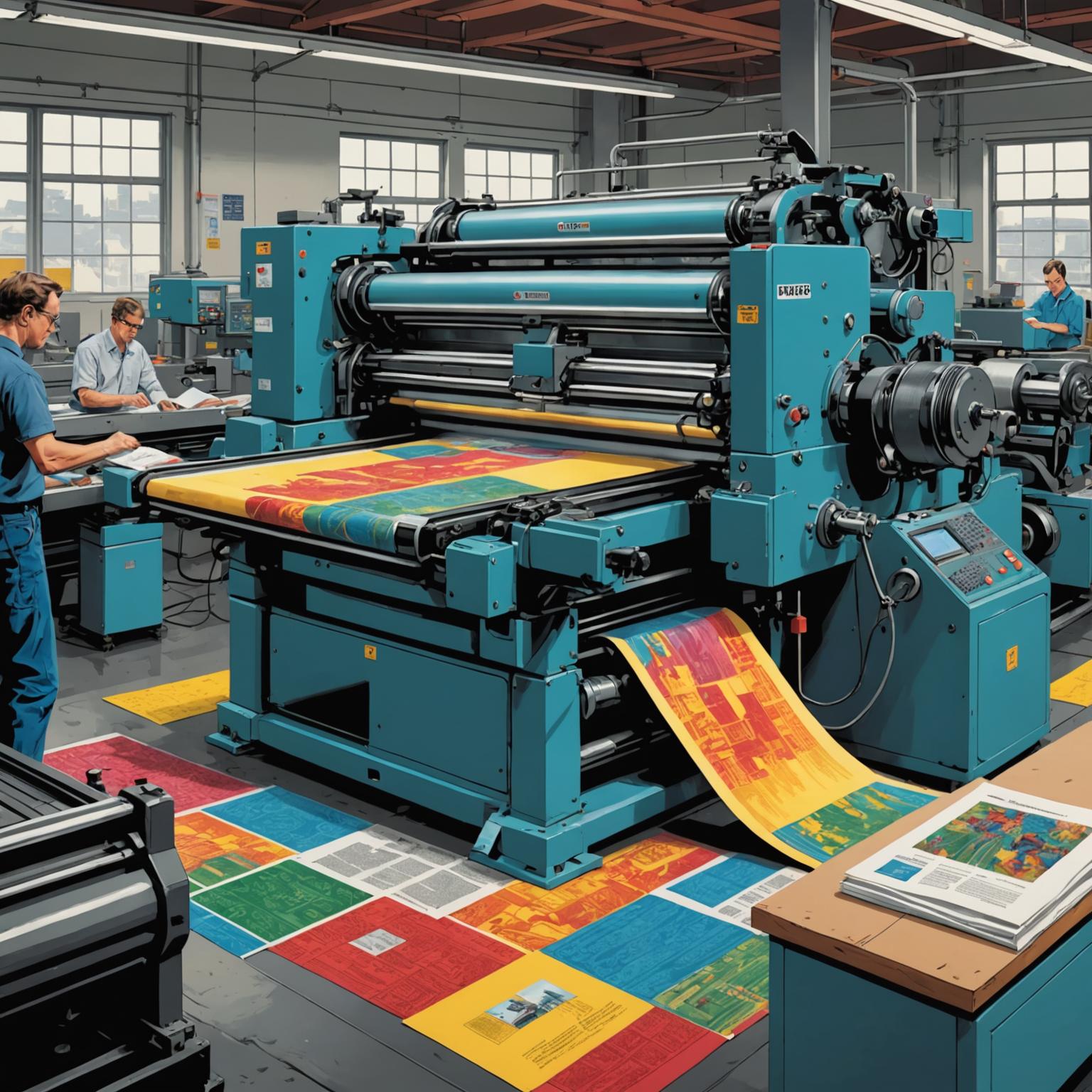
In a world saturated with digital screens, the tangible appeal of a high-quality printed item remains powerful and captivating. From the glossy pages of a fashion magazine to the vibrant leaflet announcing a local event, printed materials connect with us on a physical level. The master behind much of this high-volume, high-fidelity printing is a time-tested method known as offset printing technology. This remarkable process combines mechanical precision with chemical principles to reproduce images and text with stunning clarity and consistency, setting the standard for commercial printing worldwide.
The Heart of the Process: The Offset Printing Plate
At the very core of this entire operation lies the deceptively simple yet brilliant offset printing plate. This is not a direct stamp, but rather a thin, custom-treated sheet of aluminum that holds the image to be printed. The creation of the plate is a fascinating process where a digital file is laser-etched onto its surface. This process creates two distinct areas on the plate: the image area, which is hydrophobic (repels water) and oleophilic (attracts oil-based ink), and the non-image area, which is hydrophilic (attracts water). During printing, the plate is dampened with water, which settles on the non-image areas. When the oil-based ink is applied, it is repelled by the water and adheres only to the designated image area. This clever use of the principle that oil and water do not mix is the foundational magic of the offset printing plate.
The Graceful Transfer: How Offset Works
The term 'offset' refers to the indirect way the ink reaches the paper. Instead of the inked offset printing plate pressing directly onto the paper, the image is first transferred, or 'offset,' onto a rubber blanket cylinder. This intermediate step is crucial for several reasons. The soft, pliable rubber can conform perfectly to the texture of the paper, ensuring a smooth, even transfer of ink, even on rough or textured stocks. This indirect transfer also prolongs the life of the delicate plate by preventing it from coming into direct, abrasive contact with the paper. The paper then rolls under the blanket cylinder, which gently presses the final, crisp image onto the surface. This entire sequence happens at incredible speeds, making offset printing technology exceptionally efficient for large-scale projects.
Achieving Visual Perfection: The Final Product
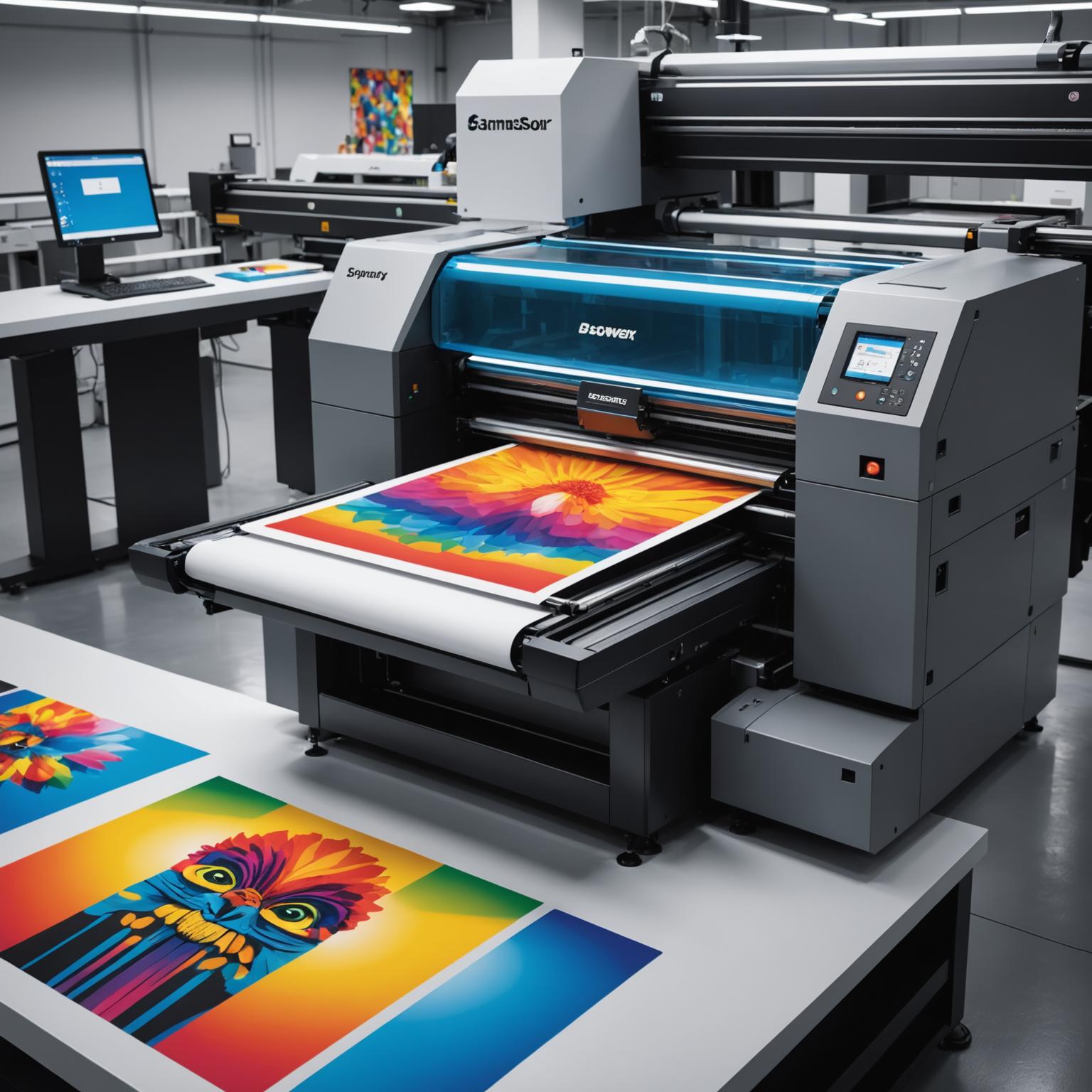
The result of this meticulous process is printed material of the highest caliber. The color reproduction is rich and accurate, with smooth gradients and deep, solid tones that digital printing can sometimes struggle to replicate. The text and lines are incredibly sharp and well-defined, free from the bleeding or spotting that can plague other methods. This level of quality is why so many brands and artists rely on offset printing for their most important projects. It has the power to transform a simple design into a collection of beautiful posters, with colors that pop and details that draw the viewer in. The texture of the ink on the paper, the precision of the registration, and the overall professional finish are hallmarks of a well-executed offset print job.
When to Choose Offset Printing
While digital printing has its place, offset printing technology truly shines in specific scenarios. Its primary advantage is cost-effectiveness for large quantities. The initial setup, including the creation of the plates, constitutes the main cost, but as the volume increases, the price per piece drops dramatically. This makes it the ideal choice for printing runs in the thousands or millions, such as books, catalogs, magazines, and promotional materials. Furthermore, it offers unparalleled image quality and a wider range of choices for paper types, custom ink colors like Pantone and metallics, and special finishes. When your goal is to produce beautiful posters or other premium materials in large numbers without compromising on quality, offset is the undisputed champion.