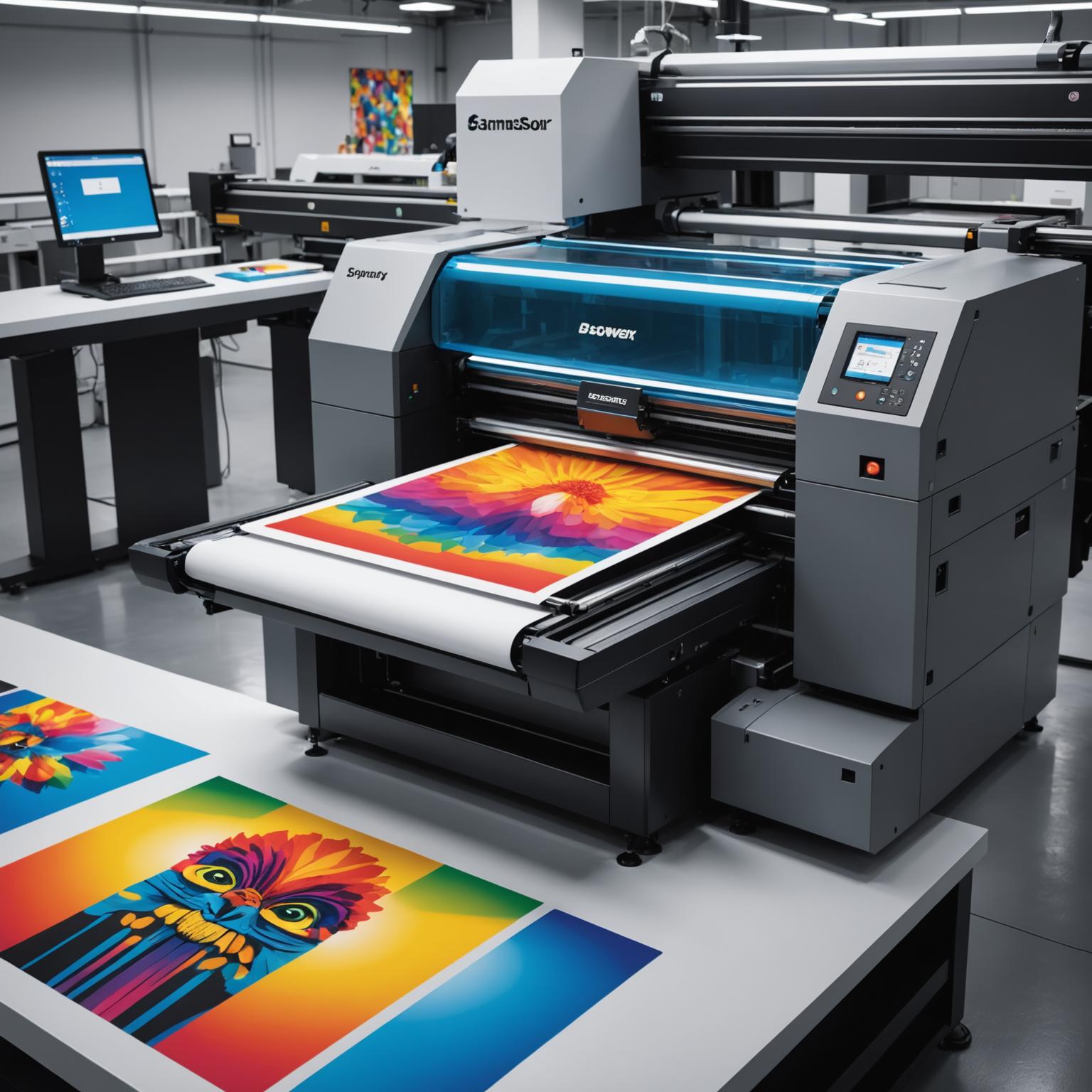
In the world of product packaging and identification, the choice of labeling material is paramount to ensuring brand integrity, consumer safety, and regulatory compliance. Among the most advanced solutions available today is film self-adhesive paper, a versatile material that offers unparalleled durability and performance compared to traditional paper labels. Its resilience makes it an indispensable component in a variety of sectors, particularly in demanding fields such as the pharmaceutical industry, where accuracy and endurance are non-negotiable.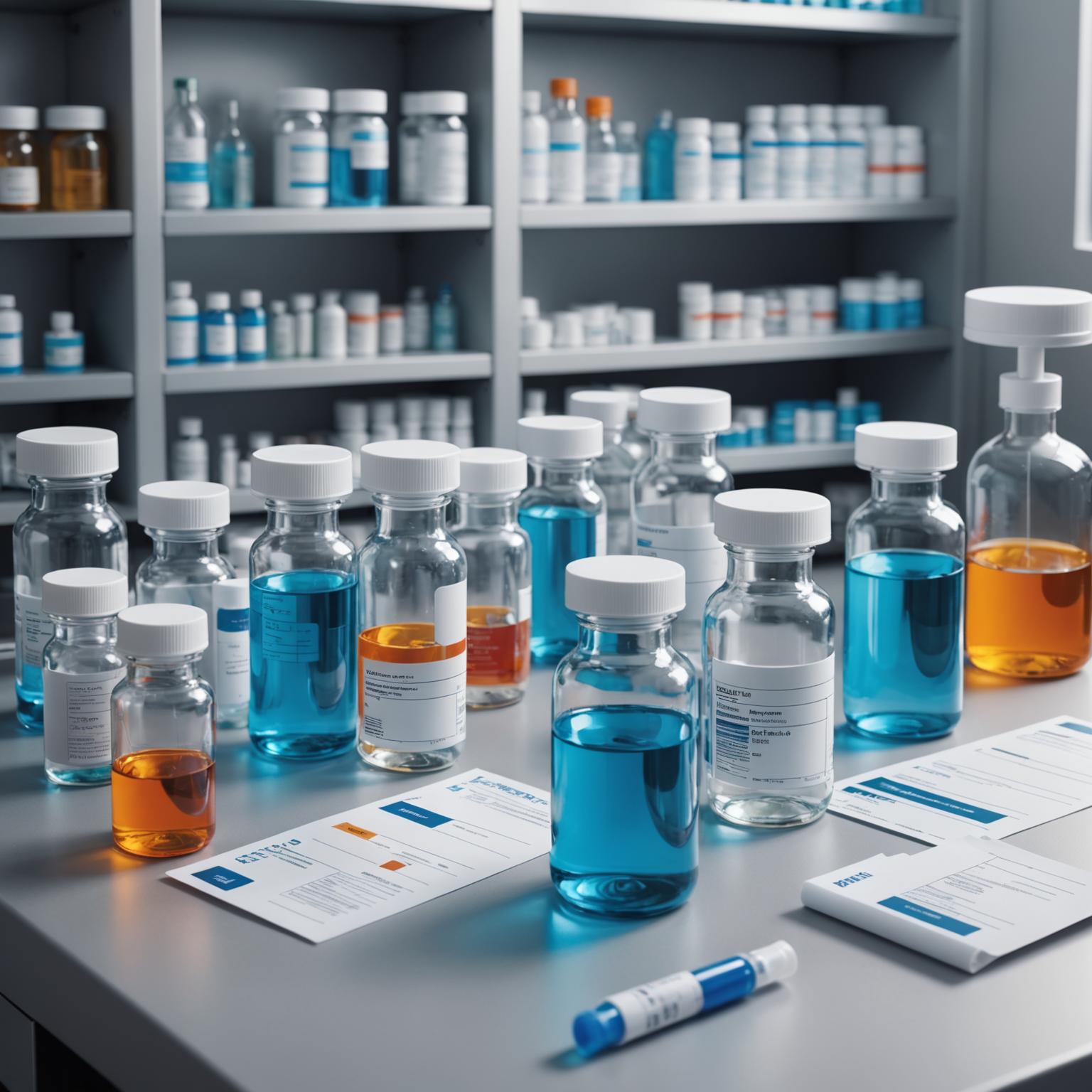
Understanding the Core Material: The Role of PP (Polypropylene)
At the heart of many high-performance film labels is a material known as PP, or Polypropylene. This thermoplastic polymer is celebrated for its exceptional properties, making it an ideal choice for self-adhesive applications. Unlike standard paper, PP is inherently resistant to water, oils, chemicals, and tearing. This durability ensures that the label remains intact and legible even when exposed to moisture, spills, or harsh handling conditions. Furthermore, PP film can be produced in various finishes, including clear, white, and metallized, offering significant aesthetic flexibility. The clear 'no-label' look, for instance, is highly sought after for premium products where a minimalist, printed-on-the-bottle appearance is desired. Its stability and robust nature make PP a cornerstone of modern film self-adhesive paper solutions.
Indispensable Applications in the Pharmaceutical Industry
Nowhere are the benefits of film labels more critical than in the pharmaceutical industry. This sector operates under strict regulations that mandate clear, accurate, and permanent labeling on all products, from over-the-counter medications to prescription vials and hospital-administered drugs. A label that fades, smudges, or detaches can have severe consequences for patient safety. PP film self-adhesive paper rises to this challenge by providing a reliable surface that can endure the entire product lifecycle. This includes resistance to sterilization processes like autoclaving, gamma radiation, and ethylene oxide, as well as the ability to adhere firmly to small-diameter containers like vials and syringes. These labels also withstand extreme storage temperatures, from deep-freeze conditions to refrigeration, without losing adhesion or legibility, ensuring that vital information such as dosage, expiration dates, and lot numbers remains perfectly clear.
Key Advantages over Conventional Labeling
The superiority of film self-adhesive paper extends beyond its use in specialized sectors. For any product that may encounter moisture or friction during its supply chain journey, film labels offer peace of mind. They provide a superior printing surface for high-resolution graphics, complex barcodes, and small text, ensuring excellent scannability and readability. The adhesive technology is equally advanced, with options formulated for permanent bonding, removability, or repositionability, catering to diverse packaging needs. The combination of a resilient PP face stock and a powerful adhesive creates a label that not only protects crucial information but also enhances the overall perception of the product through a clean, professional finish that resists wrinkling and discoloration over time.